Shed Tiny House Plans: Creative Designs for Your Dream Home
Transform your living space with the innovative concept of shed tiny houses – a perfect blend of minimalist design and practical functionality. These architectural marvels offer an exciting alternative to traditional housing, proving that less square footage doesn’t mean compromising on style or comfort.
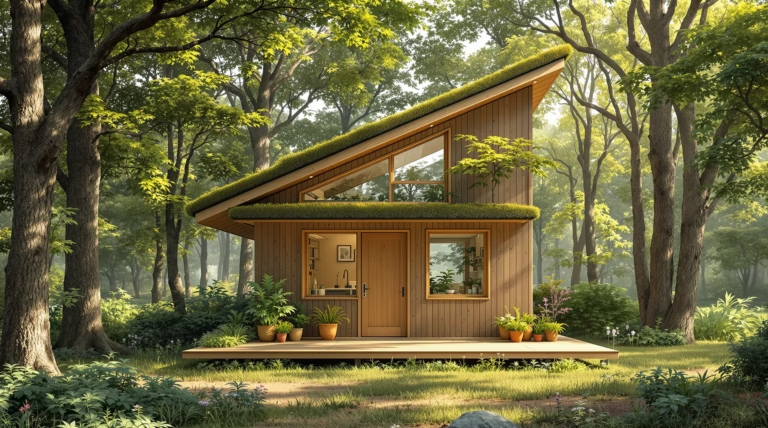
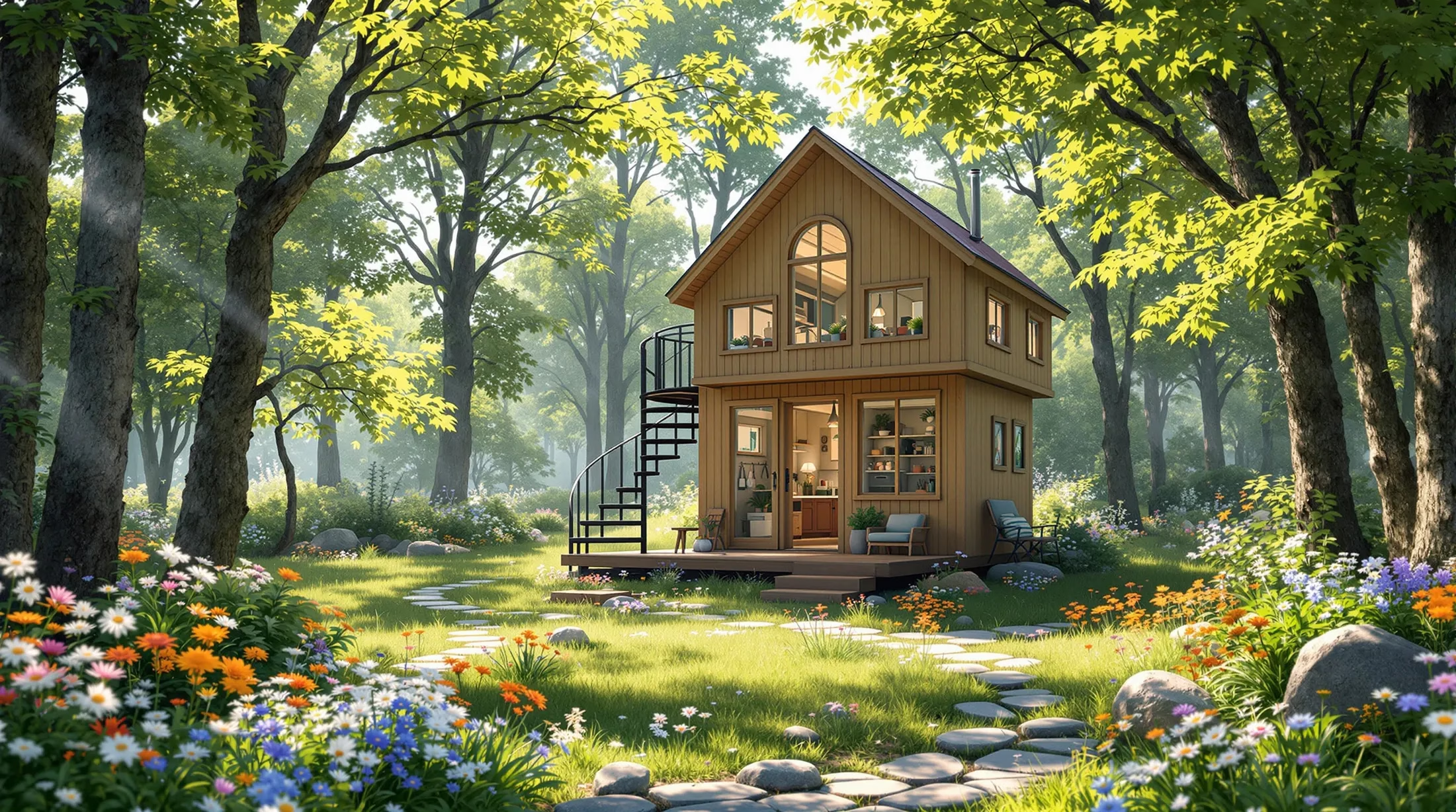
Shed tiny house plans represent a revolutionary approach to modern living, combining simplicity, functionality, and style in compact living spaces. These architectural designs transform the traditional concept of a shed into a fully functional home that caters to the growing desire for minimalist lifestyles. Inspired by structures like the Fox Den featured in Dwell Magazine, these homes often showcase distinctive mono-sloped, monolithic cabin designs that maximize available space while maintaining aesthetic appeal.
Whether you’re looking to downsize permanently, create a guest house, or establish a serene home office, these plans offer customizable options that accommodate various lifestyles. The open floor plans and zen-like designs create welcoming environments that can serve as peaceful retreats or productive workspaces.
What Are Shed Tiny House Plans?
Shed tiny house plans are specialized architectural blueprints designed specifically for small-scale living spaces that maximize functionality within minimal square footage. These comprehensive designs provide detailed instructions for creating homes that typically range from 100 to 400 square feet, focusing on clever space utilization and practical layouts.
- Complete construction documentation
- Detailed floor plans and elevation drawings
- Material lists and framing designs
- Electrical schematics
- Multi-purpose furniture arrangements
- Vertical storage concepts
Benefits of Choosing Shed Tiny House Plans
| Benefit Category | Details |
|---|---|
| Financial | 70-80% fewer building materials, lower property taxes, reduced utility bills |
| Time | 2-3 months construction timeline vs. 1 year for traditional homes |
| Environmental | 7% energy consumption compared to standard homes, minimal waste production |
| Lifestyle | Encourages intentional living, reduces clutter, promotes mindful consumption |
Designing Your Shed Tiny House
Drawing inspiration from designs like the zen-like Fox Den, today’s shed tiny houses feature mono-sloped, monolithic cabin designs that create distinctive silhouettes while maximizing interior volume. The construction process requires careful attention to essential elements:
- Proper insulation installation
- Strategic plumbing and electrical systems
- Optimal window and door placement
- Natural light and airflow optimization
- Compliance with local building codes
Maximizing Space with Functional Layouts
The key to effective tiny house design lies in creating multi-functional spaces that maximize every square inch. Open floor plans combine living, dining, and kitchen areas into cohesive spaces that feel generous and welcoming.
- Built-in furniture with hidden storage compartments
- Stairs doubling as drawer storage
- Murphy beds with wall integration
- Ceiling-height shelving solutions
- Convertible kitchen counters and dining tables
- Multi-purpose living room seating with storage
Incorporating Sustainable Building Practices
Sustainable building practices align perfectly with the tiny house philosophy, making shed tiny houses one of the most eco-friendly housing options available. From foundation to roof, each construction decision offers opportunities to minimize environmental impact. Using reclaimed or locally sourced materials reduces carbon footprint while adding unique character to the structure.
- High-performance insulation sized for small dimensions
- Strategic window placement for passive solar heating
- Natural cooling through ventilation design
- Renewable energy systems integration
- Low-flow plumbing fixtures and composting toilets
- Energy-efficient, appropriately sized appliances
The compact nature of shed tiny houses makes premium eco-friendly materials more accessible, as quantities needed are significantly less than conventional construction. This affordability enables homeowners to create environmentally conscious living spaces without excessive costs.
DIY Projects and Modern Amenities
The DIY approach to shed tiny house construction enables homeowners to create personalized living spaces while reducing costs by up to 60% compared to professional builds. This hands-on method strengthens the connection between dwellers and their homes through the transformation of basic shed structures into fully functional living spaces.
Visual Aids and Inspiration for DIY Enthusiasts
Pinterest has emerged as an essential platform for DIY tiny house projects, offering extensive collections of interior designs, floor plans, and structural concepts. These visual resources showcase innovative storage solutions and space-saving furniture arrangements, providing practical insights for small-space living.
- Digital design platforms for layout planning
- 3D modeling software for spatial visualization
- Progress documentation through photographs
- Scaled physical models for testing concepts
- Visual journals for project tracking
Integrating Modern Amenities into Your Design
| Amenity Type | Space-Saving Solutions |
|---|---|
| Kitchen | Apartment-sized refrigerators, two-burner cooktops, combination microwave/convection ovens |
| Bathroom | Wet-room designs, compact fixtures, shared waterproofed spaces |
| Technology | Smart home systems, wall-mounted displays, wireless sound systems |
| Climate Control | Mini-split systems, ductless heating/cooling, zoned temperature management |
This thoughtful integration of modern amenities transforms simple structures into sophisticated living environments that maintain the zen-like atmosphere while providing all the comforts of contemporary living. The result is a space that perfectly balances technology, comfort, and tranquility.
Community Support and Resources
The tiny house building journey becomes more manageable through extensive community resources available to aspiring builders. Online forums, social media groups, and specialized websites provide guidance on planning, construction, and design. These platforms connect you with experienced builders who can help determine appropriate budgets for plans, ranging from $100 for basic designs to $2,000 for comprehensive blueprints with 3D modeling.
- Access to experienced builders’ knowledge
- Budget-friendly plan options
- Detailed blueprints and floor plans
- Material lists and sourcing advice
- 3D modeling resources
- Building code navigation support
Connecting with Other Tiny House Enthusiasts
Social media platforms host vibrant communities of tiny house enthusiasts who actively share their experiences and expertise. These virtual spaces provide real-time feedback on design choices, construction methods, and material selections, creating an evolving knowledge base that benefits all members.
| Community Resource | Benefits |
|---|---|
| Tiny House Festivals | Tours of completed homes, hands-on workshops, direct networking |
| Online Forums | Real-time advice, problem-solving support, shared experiences |
| Local Meetups | Face-to-face connections, regional building code insights |
| Workshop Events | Technical skills development, expert guidance, practical experience |
Utilizing Online Platforms for Planning and Sourcing Materials
Digital tools have revolutionized tiny house planning and construction. Virtual design platforms like SketchUp and SmartDraw enable builders to create, modify, and visualize their projects before breaking ground. These tools help identify potential issues early, preventing costly modifications during construction.
- Online marketplaces for discounted materials
- Virtual design tools for layout planning
- 3D modeling software for spatial visualization
- Material sourcing networks
- Local salvage yard directories
- Bulk purchasing opportunities
Creative Floor Plan Designs
Modern shed tiny houses showcase innovative floor plans that maximize functionality within limited square footage. Drawing inspiration from designs like the zen-like Fox Den, these homes feature mono-sloped, monolithic cabin designs that create distinctive appeal while optimizing interior space. Available dimensions range from cozy 10×24 models to more spacious 12×24 layouts, offering options for various lifestyle needs.
Examples of Innovative Floor Plans
- 10×24 layouts with full bathroom and efficient kitchen (240 sq ft)
- Storage staircase access to sleeping lofts
- Multipurpose living areas with convertible furniture
- Elevated loft designs for bedroom spaces
- Home office nooks in 12×24 models
- Fold-down tables and hidden storage solutions
Encouraging Creativity with a Minimalist Aesthetic
The space limitations inherent in tiny house design don’t restrict creativity – they enhance it. This paradox lies at the heart of the minimalist aesthetic that defines successful shed tiny houses. When every square inch matters, designers must think beyond conventional solutions, resulting in spaces that are simultaneously functional and visually striking.
- Open-concept layouts that blend kitchen, dining, and living spaces
- Clean lines and uncluttered surfaces creating visual expansiveness
- Natural materials and neutral color palettes enhancing brightness
- Streamlined kitchen designs with induction cooktops and open shelving
- Thoughtful design cues maintaining distinct area identities
- Carefully curated possessions that serve multiple purposes
| Minimalist Design Element | Functional Benefit |
|---|---|
| Open Shelving | Visual spaciousness and easy access to essentials |
| Natural Materials | Enhanced brightness and visual continuity |
| Multifunctional Spaces | Maximized utility without spatial compromise |
| Clean Lines | Reduced visual clutter and improved flow |
This minimalist approach elevates daily living by eliminating excess and focusing on essential elements that truly enhance the living experience. The constraints of limited square footage inspire innovative solutions that question traditional assumptions about necessary space, proving that creative limitations often produce the most innovative and satisfying designs.