Tiny House with Porch: Design Ideas and Inspiration
Discover how a tiny house with a porch can transform your living experience, combining the efficiency of minimalist living with the joy of outdoor spaces. Whether you’re ready to downsize or simply exploring innovative housing solutions, this guide will help you understand the possibilities of these charming dwellings.
The tiny house movement represents a shift towards intentional, simplified living. These compact homes, typically ranging from 100 to 400 square feet, incorporate all essential living functions while maintaining a connection to the outdoors through thoughtfully designed porches. The addition of a porch creates a perfect balance between indoor comfort and outdoor enjoyment, making these small dwellings feel significantly more spacious.
The Appeal of Tiny Houses
Tiny houses offer numerous advantages that contribute to their growing popularity. The reduced maintenance requirements and lower operating costs provide financial freedom, while the minimalist lifestyle promotes mindful living and reduced stress.
- Reduced maintenance and cleaning requirements
- Lower utility costs and environmental impact
- Encouragement of thoughtful consumption
- Greater appreciation for essential items
- Stronger connection with natural surroundings
Benefits of Having a Porch
A porch significantly enhances the tiny house living experience through multiple practical and lifestyle benefits:
- Creates a protected outdoor space for relaxation and entertaining
- Serves as an additional room during favorable weather
- Provides weather protection for the entrance
- Offers storage possibilities for outdoor equipment
- Creates a welcoming transition zone
- Enhances connection with nature and surroundings
Design Ideas for Tiny Houses with Porches
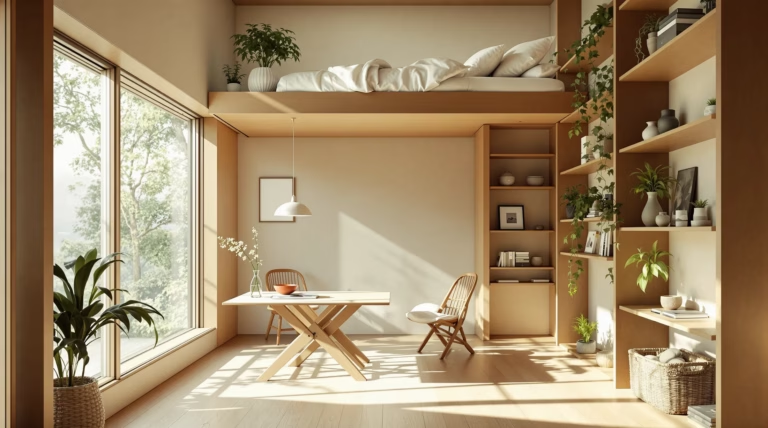
Despite limited square footage, tiny house designs can be remarkably diverse and personalized. Successful designs maximize space efficiency while maintaining comfort through clever features like vertical storage, multifunctional furniture, and strategic window placement. Integrating the porch into the original footprint ensures transportability while expanding usable living space.
Customizable Layouts
Tiny houses offer exceptional flexibility in design, allowing homeowners to create spaces that perfectly match their lifestyle needs. Whether working with a prefabricated shell or building from scratch, various porch configurations and interior layouts can be implemented to create a unique living space.
Incorporating an Open Floor Plan
Open floor plans are essential in tiny houses with porches, creating a seamless flow between indoor and outdoor spaces. This design approach maximizes natural light and creates the illusion of more space through:
- Elimination of unnecessary interior walls
- Strategic furniture placement
- Multi-purpose living zones
- Large windows and glass doors facing the porch
- Thoughtful transitions between indoor and outdoor areas
Maximizing Outdoor Space
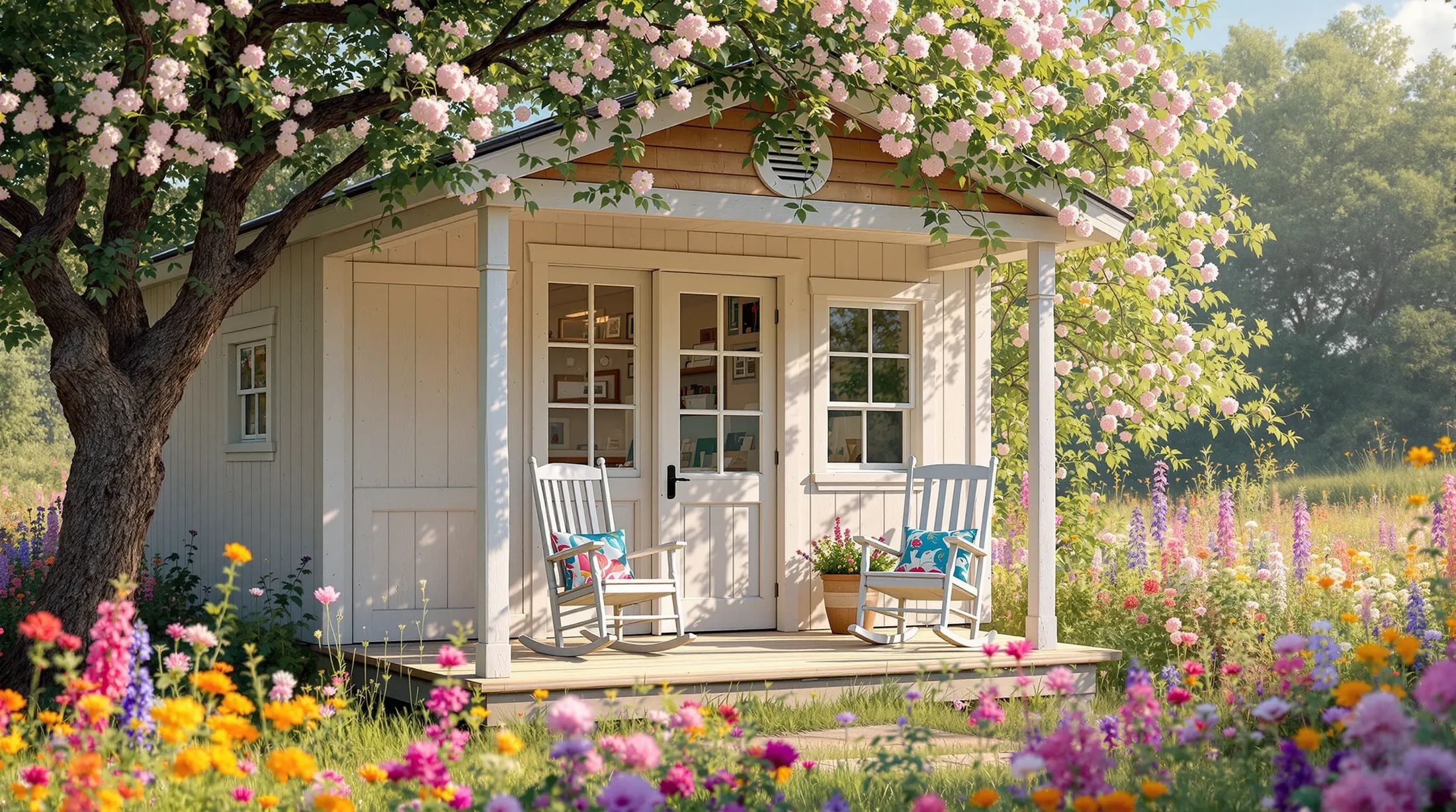
The porch represents valuable real estate in tiny house living and deserves thoughtful design consideration. A well-designed porch effectively extends your living space beyond the confines of interior walls, providing a sheltered area that bridges the gap between indoors and nature. Many tiny house designs feature fenced porches under protective roofing, allowing residents to enjoy fresh air and outdoor views regardless of weather conditions.
- Multi-functional designs with fold-down tables and benches
- Strategic planter placement for natural privacy screens
- Retractable awnings and screens for weather adaptation
- Corner or wraparound configurations for varied outdoor experiences
- Convertible storage solutions to minimize clutter
Inspiration for Your Tiny House Porch
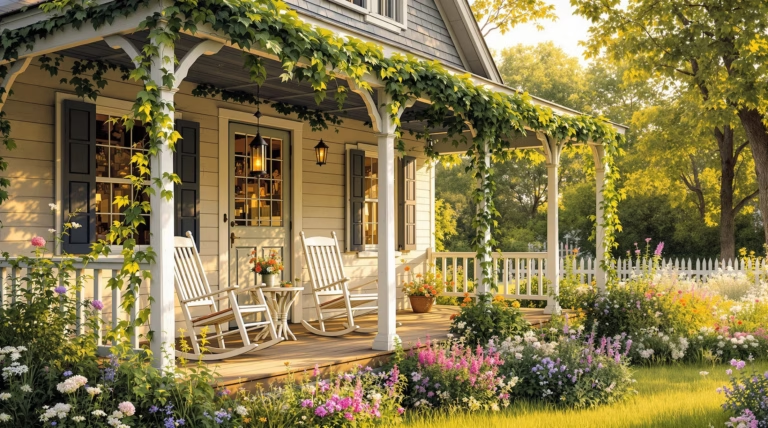
The porch of a tiny house serves as more than just an entrance—it’s an extension of your living space that offers a unique connection to the outdoors. Many tiny house enthusiasts consider their porches to be among their favorite features, providing a perfect spot to start the day with a cup of coffee or unwind in the evening while enjoying the surrounding landscape.
Decorating Your Porch
- Weather-resistant decorative elements that reflect personal style
- String lights and outdoor rugs for ambiance
- Hanging planters and railing boxes for space-efficient gardening
- Seasonal decorations for year-round appeal
- Dual-purpose accessories that combine function and aesthetics
Furniture Ideas for Small Spaces
| Furniture Type | Benefits |
|---|---|
| Folding/Collapsible Furniture | Expandable seating, easy storage when not in use |
| Wall-mounted Options | Drop-leaf tables, fold-down desks, zero floor space |
| Storage-integrated Pieces | Hidden compartments, dual functionality |
| Hanging Furniture | Hammocks, swing chairs, minimal footprint |
Practical Considerations for Building a Tiny House with a Porch
When embarking on a tiny house project with a porch, several practical factors need consideration to ensure your dream home becomes a successful reality. Building codes, zoning laws, and material selection all play crucial roles in the development process. Many tiny house enthusiasts find that incorporating the porch directly into the home’s footprint allows for easier transportation without expanding the overall dimensions during transit.
- Consider using screws instead of nails for easy disassembly
- Incorporate the porch into the main footprint (e.g., 10 x 20 base)
- Select weather-resistant materials for longevity
- Plan for proper drainage and weather protection
- Ensure compliance with local building codes
Budgeting for Your Tiny House
Creating a realistic budget for your tiny house with a porch requires careful planning across multiple dimensions. While tiny homes are generally more affordable than traditional housing, costs can quickly accumulate without proper planning.
- Foundation and framing – core structural elements
- Utilities installation and connections
- Interior finishes and fixtures
- Porch construction ($1,500-$5,000)
- Building permit fees and inspections
- Contingency fund (10-15% of total budget)
| Porch Budget Considerations | Details |
|---|---|
| Materials | Pressure-treated lumber (economical) vs. composite (low maintenance) |
| Labor | DIY savings vs. professional expertise |
| Design Elements | Size, complexity, special features |
| Additional Features | Built-in seating, climate adaptations |
Choosing the Right Materials
Material selection impacts durability, maintenance requirements, transportation weight, and overall aesthetics. Standard floor joists and rafters provide reliable structural support, while decking material choices offer various benefits.
- Pressure-treated lumber – economical but requires maintenance
- Composite materials – long-lasting and low maintenance
- Natural woods (cedar/redwood) – beautiful and naturally resistant
- Reclaimed materials – sustainable with unique character
- Metal roofing – optimal weight-to-longevity ratio
For sustainable approaches, consider salvaged materials that add character while reducing environmental impact. Reclaimed floorboards and external cladding can create distinctive charm without new resource consumption. When selecting materials, verify compatibility with prefabricated designs and consider integrating rainwater collection systems into your porch roof design.
Conclusion: Embracing the Tiny House Lifestyle
The tiny house lifestyle offers substantial benefits beyond compact living. Homeowners experience significant reductions in living costs through lower utility bills, decreased property taxes, and minimal maintenance expenses. This financial freedom enables pursuit of passions, increased travel opportunities, and potential work flexibility while maintaining comfort.
- Reduced environmental footprint
- Lower energy consumption
- Minimal material usage
- Integration of eco-friendly practices
- Enhanced outdoor connection through porch design
The porch serves as a vital bridge between compact indoor living and the expansive outdoors, transforming tiny living from a compromise into a deliberate lifestyle choice that prioritizes experiences over possessions. By incorporating the porch into the original footprint, homeowners maintain mobility while creating the perfect balance between minimalism and comfort.