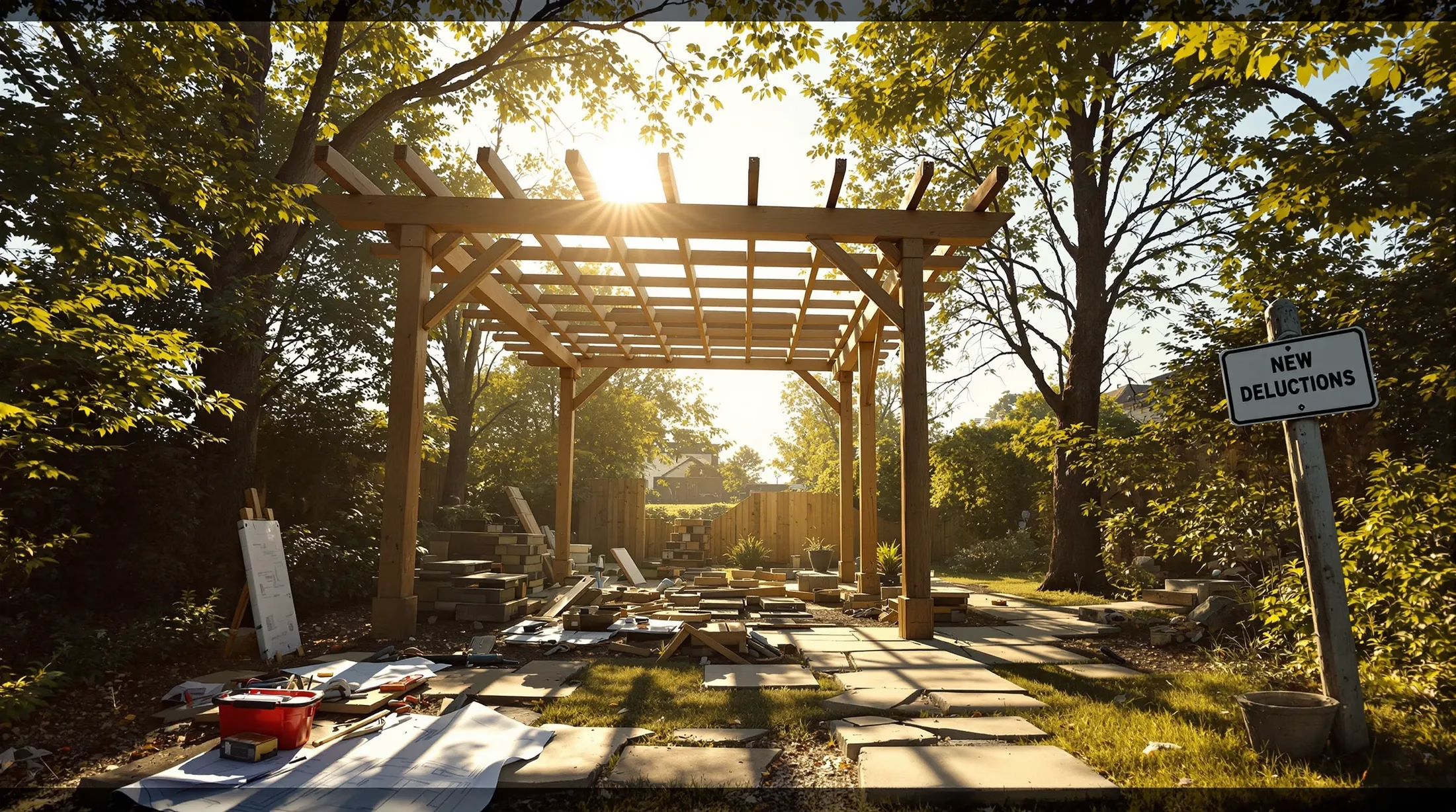
Can I Build a Pergola Without a Permit? Essential Guidelines
Planning to build a pergola? Before you start sketching designs or purchasing materials, it’s essential to understand the permit requirements in your area. Let’s explore when you need a permit and what factors influence this requirement to ensure your project stays within legal boundaries.
Understanding Pergola Permit Requirements
Most pergola projects, especially those attached to houses, require building permits. Local building codes establish specific guidelines, and failing to obtain necessary permits can result in significant consequences, including fines, mandatory removal, or future property sale complications.
What is a Pergola and Its Purpose?
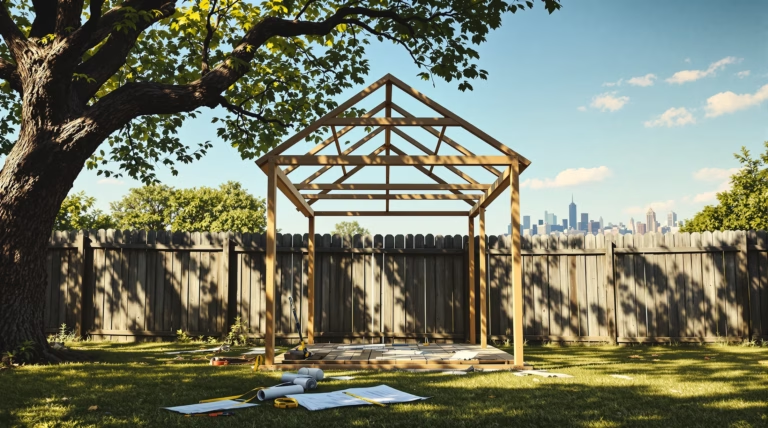
A pergola is an outdoor structure featuring columns supporting a roofing grid of beams and rafters. Unlike gazebos, pergolas typically have an open roof design, though they can be partially covered with various materials. These structures serve multiple purposes:
- Defining outdoor living spaces
- Providing filtered shade
- Supporting climbing plants
- Adding architectural interest
- Extending living areas
Why Permits Might Be Required for Pergolas
Permits serve crucial safety and regulatory functions. Different types of permits may be necessary depending on your project scope:
- Planning permits – address aesthetic aspects and boundary regulations
- Zoning permits – ensure compliance with property restrictions
- Building permits – verify construction code compliance
- Fire safety permits – required for specific dimensions or locations
- Historic district approvals – additional requirements for protected areas
Factors Influencing Permit Necessity
Several key elements determine whether your pergola requires a permit. Size thresholds vary by location, with some jurisdictions allowing smaller structures without approval. Location and attachment to existing structures are crucial considerations.
Size and Height Restrictions
| Feature | Common Restrictions |
|---|---|
| Square footage | 100-200 square feet maximum |
| Height limit | 8-12 feet from ground level |
| Measurement points | Varies by jurisdiction (posts vs. highest point) |
Location and Zoning Considerations
Location significantly impacts permit requirements. Consider these crucial factors:
- Zoning designation (residential, commercial, agricultural)
- Setback requirements from property lines
- Distance from existing structures
- Environmental features (protected trees, wetlands)
- Homeowners association guidelines
- Historic district regulations
Steps to Building a Pergola Without a Permit
While most pergolas require permits, some jurisdictions allow smaller structures to be built without official approval. Building a permit-free pergola requires careful navigation of local regulations to ensure compliance. This approach focuses on proper design and safety standards rather than cutting corners.
Success in building a permit-free pergola depends on thorough preparation and understanding local exemptions. This typically involves constructing a smaller, freestanding structure that:
- Meets specific height restrictions
- Maintains required setbacks from property lines
- Excludes electrical and plumbing elements
- Complies with zoning ordinances
- Follows building codes despite permit exemption
Researching Local Building Codes
Begin by conducting comprehensive research on local building codes through your municipal government’s website or building department. Focus on specific permit exemptions for outdoor structures, including:
- Dimensional restrictions for permit-free structures
- Setback requirements from property lines
- Classification differences between pergolas, arbors, and trellises
- Special conditions for historic districts or flood zones
- HOA restrictions and additional requirements
Designing a Compliant Pergola
| Design Element | Common Requirements |
|---|---|
| Structure Type | Freestanding (not attached to house) |
| Size Limits | 100-200 square feet maximum |
| Height Restrictions | 8-12 feet maximum |
| Setbacks | 5-10 feet from property lines |
Ensuring Safety and Stability
Maintain high safety standards regardless of permit status. Essential safety considerations include:
- Installing proper foundation with concrete pier blocks or ground anchors
- Using pressure-treated lumber for ground-contact components
- Selecting weather-resistant materials like cedar or high-quality composites
- Installing galvanized or stainless steel hardware
- Incorporating wind load considerations and diagonal bracing
Common Mistakes to Avoid
Many homeowners mistakenly assume pergolas don’t require permits due to their relatively simple structure. This assumption can lead to serious consequences, including:
- Financial penalties exceeding original permit costs
- Mandatory structure modification or removal
- Complications during property sales
- Failed home inspections
- Issues during title searches
Ignoring Local Regulations
One of the most significant errors homeowners make is disregarding local building codes and zoning laws. These regulations serve multiple essential purposes:
- Ensuring structural integrity of buildings
- Maintaining neighborhood aesthetic standards
- Protecting property values
- Upholding safety requirements
- Managing community development
Requirements can vary substantially between jurisdictions – what’s allowed in one municipality might be prohibited in another. Zoning laws specifically govern:
- Structure placement and setback requirements
- Distance requirements from property lines and streets
- Number of permitted accessory structures
- Maximum size limitations relative to lot size
- Building height restrictions
Common misconceptions that lead to violations include assuming small or partially open-roofed pergolas are exempt from regulations, or believing structures not visible from the street don’t require permits. These assumptions can result in stop-work orders, substantial fines, and neighborhood disputes.
Overlooking Safety Standards
Disregarding safety standards in pergola construction poses serious risks beyond legal compliance. Proper permits ensure structures meet critical safety requirements for:
| Safety Aspect | Critical Considerations |
|---|---|
| Structural Integrity | Post sizes, beam spans, foundation requirements |
| Weather Resistance | Wind load capacity, snow load requirements |
| Foundation Security | Proper footings, soil conditions, anchoring methods |
| Stability Features | Lateral bracing, connection methods, uplift prevention |
DIY builders often underestimate technical requirements, particularly in areas prone to severe weather events like hurricanes, heavy snowfall, or seismic activity. Safety standards exist to protect current and future property owners from preventable accidents and structural failures. Bypassing these requirements isn’t just illegal – it creates unnecessary risks that could lead to serious accidents or structural collapse.