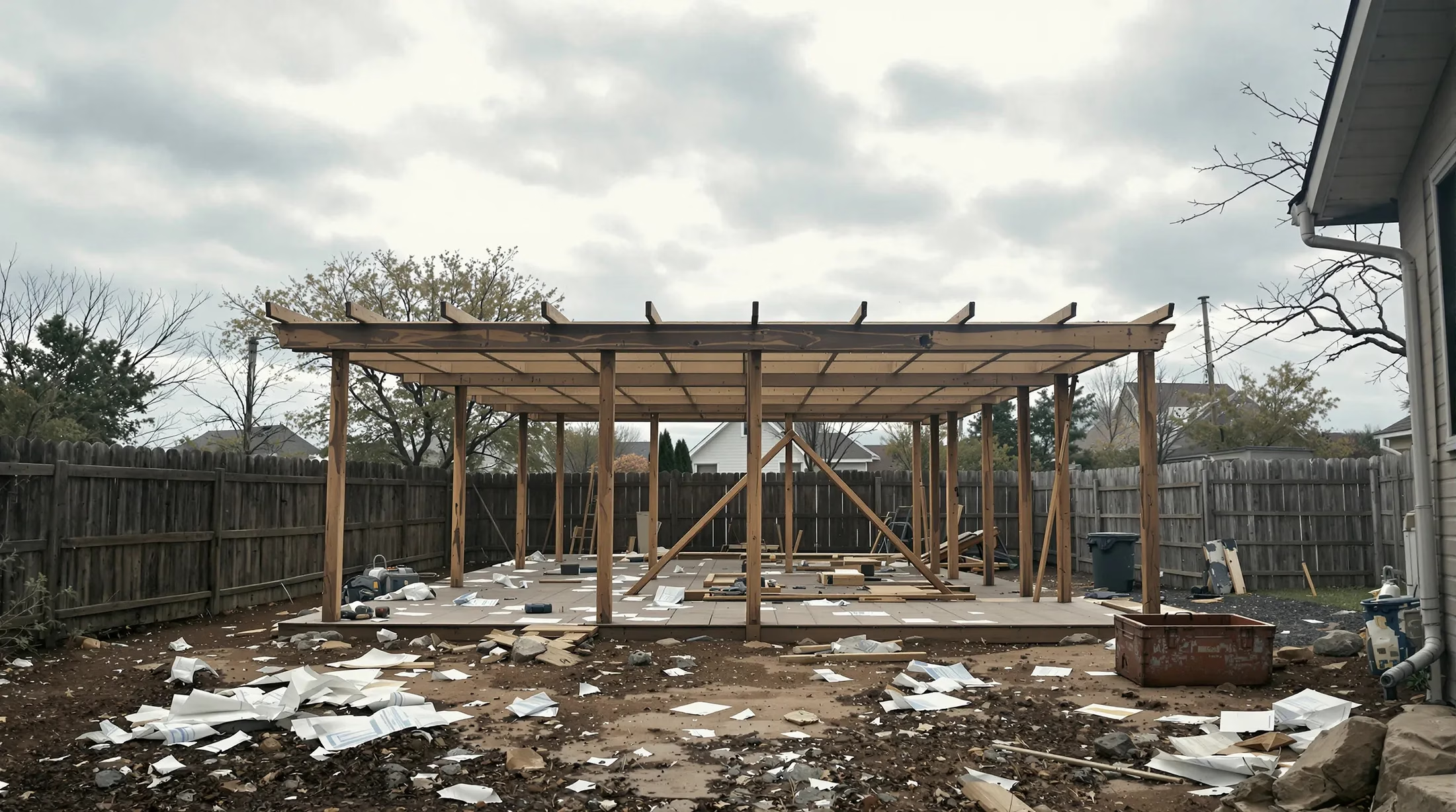
Can I Build a Covered Patio Without a Permit? Essential Guidelines
Planning to build a covered patio? Before you start gathering materials and tools, it’s essential to understand the permit requirements in your area. This comprehensive guide will help you navigate the complexities of building permits and determine whether your project needs one.
Understanding Building Permits for Covered Patios
Building permits serve as official authorization from local authorities for your covered patio project. While requirements vary by location, these permits ensure compliance with local building codes, zoning regulations, and safety standards. Some municipalities exempt structures under specific size and height thresholds from permit requirements, making it crucial to consult your local building department before starting construction.
What is a Building Permit and Why is it Important?
A building permit is an official document from local government agencies that grants legal permission for construction projects. The permit process typically involves:
- Submitting detailed construction plans
- Paying applicable fees
- Undergoing inspections during various building phases
- Ensuring compliance with local building codes
- Verifying adherence to zoning ordinances
Common Regulations for Covered Patios
| Regulation Type | Typical Requirements |
|---|---|
| Setback Requirements | 5-15 feet from property lines |
| Size Restrictions | Permits needed for 120-200+ square feet |
| Height Limitations | 10-15 feet maximum |
Factors Influencing Permit Requirements
Several key elements determine whether your covered patio project requires a permit. These factors vary across jurisdictions but typically focus on ensuring public safety, maintaining property values, and promoting orderly community development.
Location, Size, and Height Considerations
- Urban areas generally have stricter regulations than rural settings
- Historic districts may impose additional restrictions
- Size thresholds commonly range from 120-200 square feet
- Height limitations typically fall between 10-15 feet
- Setback requirements affect permit necessity
Local Zoning Laws and Building Codes
Zoning laws establish specific land use regulations within different areas, while building codes set construction standards. Key considerations include:
- Property’s zoning classification (residential, commercial, or mixed-use)
- Lot coverage percentage restrictions
- Structural integrity requirements
- Electrical installation specifications
- Drainage considerations
- HOA guidelines and approvals
Consequences of Building Without a Permit
Building a covered patio without required permits can result in severe consequences beyond simple warnings. While skipping permits might seem like a time and money-saving shortcut, it often leads to costly complications. Local building departments maintain active construction monitoring, and neighbor reports frequently expose unpermitted structures.
- Severity increases based on structure size
- Code violation extent affects penalties
- Response time to notifications impacts outcomes
- Some jurisdictions allow retroactive permitting
- Others mandate complete structure removal
Potential Fines and Legal Issues
Financial penalties for unpermitted construction vary by location but are consistently substantial:
| Penalty Type | Typical Range |
|---|---|
| Initial Fines | $500 – $5,000 |
| Daily Penalties | Accumulating until resolution |
| Retroactive Permit Fees | 2-3x standard rates |
Legal consequences extend beyond financial penalties, including stop-work orders, potential misdemeanor charges, and insurance claim denials. Building officials maintain the authority to demand complete removal of non-compliant structures, regardless of construction quality or investment.
Impact on Property Value and Safety
- Reduced property market value
- Complications during home sales
- Mortgage lender restrictions
- Insurance coverage limitations
- Mandatory disclosure requirements
- Structural integrity risks
- Potential electrical hazards
- Drainage and easement violations
Exploring Permit Exemptions and Alternatives
While permits are generally required, many jurisdictions offer exemptions for specific projects below certain thresholds. These exceptions typically depend on size, height, and intended use, though regulations vary significantly between municipalities.
Examples of Exemptions for Smaller Projects
- Structures under 120-200 square feet
- Heights below 10 feet
- Detached versus attached considerations
- Temporary structures
- Minor repairs and replacements
- Open lattice pergolas
- Pre-approved standard designs
Alternative Options for DIY Enthusiasts
Several permit-free alternatives exist for creating comfortable outdoor spaces:
- Retractable awnings
- Standalone patio umbrellas
- Cantilevered shade systems
- Modular kit structures
- Prefabricated pergolas
- Pop-up gazebos
- Removable fabric canopies
Remember that even these alternatives may require permits if they exceed local size limitations or include electrical components, permanent foundations, or solid roofing.
Steps to Take if a Permit is Required
Once you’ve determined that your covered patio project requires a permit, navigating the application process becomes your next critical step. While initially daunting, the permitting process follows a structured path designed to ensure your project meets local safety standards and building codes. Understanding this process beforehand can significantly reduce delays and prevent costly mistakes during construction.
The complexity of permitting varies between jurisdictions, with urban areas typically having stricter requirements than rural locations. Some municipalities offer streamlined processes for residential projects like covered patios, while others require multiple departmental reviews.
How to Apply for a Permit
- Contact your local building department through their website or office
- Prepare detailed project plans including site layouts and structural drawings
- Submit documentation through online systems where available
- Await review period (typically 2-4 weeks)
- Schedule mandatory inspections at key construction stages
Understanding Fees and Documentation
| Fee Type | Typical Cost Range |
|---|---|
| Standard Permit Fee | $100 – $500 |
| Plan Review Fee | Varies by jurisdiction |
| Impact Fees | Location dependent |
| Inspection Fees | Per inspection basis |
Required documentation typically includes:
- Property surveys or plot plans
- Detailed construction drawings
- Structural calculations
- Manufacturer specifications
- HOA compliance documentation (if applicable)
- Easement information
Benefits of Obtaining a Permit
While obtaining permits may seem burdensome, the long-term advantages significantly outweigh the initial inconvenience. Building permits serve as official verification that your project complies with current safety standards and building codes, protecting both your investment and the well-being of users.
Ensuring Safety and Compliance
- Professional verification of structural integrity
- Proper electrical installation oversight
- Weather resistance validation
- Utility line clearance verification
- Emergency exit compliance
- Ventilation requirements assessment
- Material suitability confirmation
These inspections provide valuable safety consultations from experts familiar with potential hazards specific to outdoor structures in your climate zone. Even when local exemptions might allow permit-free construction, following code requirements significantly reduces liability and safety risks for your household and guests.
Enhancing Property Value
Properly permitted covered patios deliver an exceptional return on investment, typically recouping 80-100% of their cost in added property value. This substantial value increase stems from two key factors: the additional usable living space and buyers’ confidence in the structure’s legitimacy and safety standards.
- Negotiation advantage during sales
- Higher property assessment values
- Improved refinancing opportunities
- Full insurance coverage eligibility
- Documentation of compliance and quality
| Aspect | Permitted Structure | Unpermitted Structure |
|---|---|---|
| Property Value Impact | 80-100% ROI | Potential value reduction |
| Sale Process | Smooth transaction | Negotiation roadblocks |
| Insurance Coverage | Full coverage | Limited or no coverage |
| Financing Options | Full valuation consideration | Excluded from calculations |
Real estate professionals consistently report that unpermitted structures often become significant obstacles during property sales. Buyers typically either demand substantial price reductions or require sellers to obtain retroactive permits – a process that usually proves more expensive and complicated than securing permits initially. The investment in proper permits essentially provides documented proof of your improvement’s legitimacy, quality, and compliance, creating tangible financial value throughout ownership and during property sale.