A Frame House with Covered Porch: Design Ideas and Inspiration
Discover the timeless charm and architectural brilliance of A-frame houses, where form meets function in a striking triangular silhouette. Whether you’re planning to build your dream mountain retreat or seeking inspiration for a unique home design, this guide explores the essential elements of A-frame architecture and how to enhance it with the perfect covered porch.
Understanding A-Frame House Design
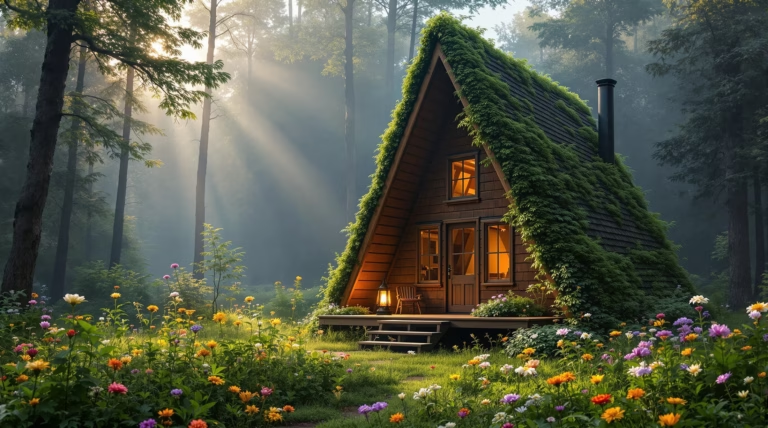
A-frame houses stand out with their distinctive triangular profile, resembling the letter ‘A’ that inspired their name. These architectural marvels feature steeply pitched gable roofs extending from the foundation to the peak, creating both dramatic aesthetics and functional living spaces. Since their emergence in the mid-20th century, A-frames have captivated homeowners with their structural efficiency and unique appeal.
The genius of A-frame architecture lies in how the roof forms the walls of the house. This innovative approach minimizes the need for internal supports compared to conventional designs, resulting in more open interior spaces and often reduced construction costs. The steep roof pitch serves dual purposes – efficiently managing snow loads in winter climates while creating natural ventilation channels for year-round temperature regulation.
Characteristics of A-Frame Houses
- Steeply pitched gable roof extending nearly to ground level
- Soaring interior ceilings reaching 20-30 feet at the center ridge
- Expansive window walls at front and back facades
- Exposed structural beams as aesthetic elements
- Open concept living areas with potential loft spaces
- Modern variations incorporating split-level layouts and cantilevered sections
Benefits of A-Frame Architecture
- Abundant natural lighting through large window walls
- Flexible, open floor plans without load-bearing interior walls
- Superior structural efficiency and durability
- Natural snow-shedding capabilities
- Strong resistance to high winds
- Distinctive architectural character
- Seamless connection to natural surroundings
Incorporating a Covered Porch in A-Frame Houses
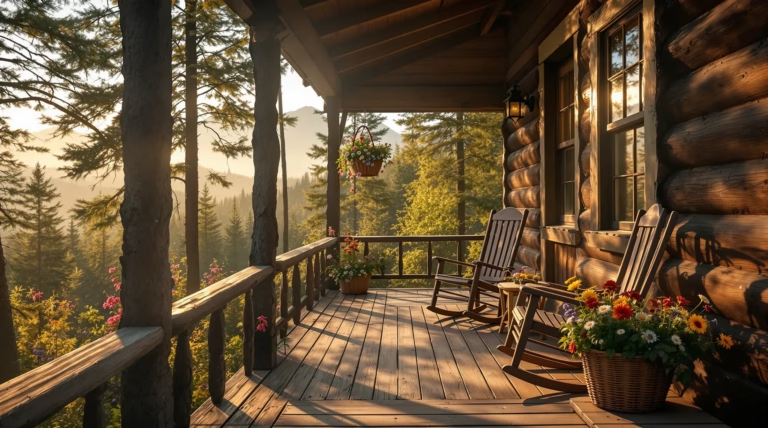
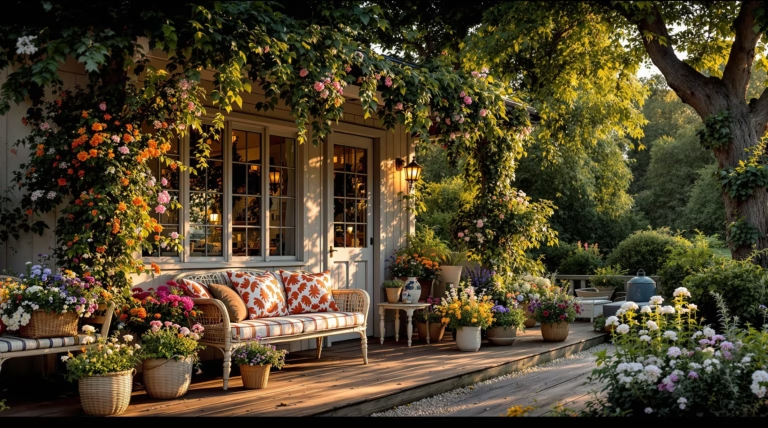
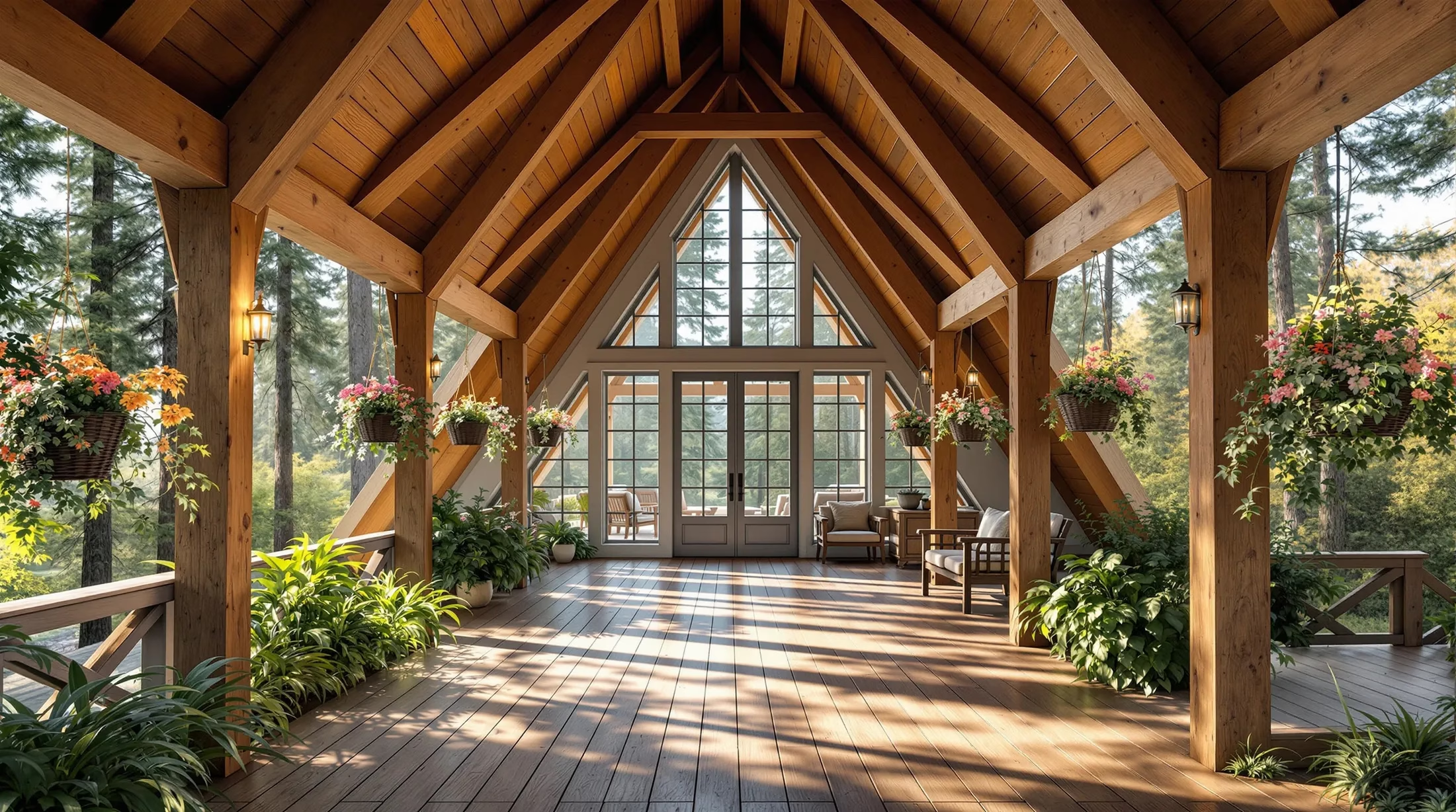
A covered porch creates a seamless transition between indoor and outdoor living spaces while preserving the A-frame’s distinctive character. These architectural additions extend functionality and provide sheltered outdoor areas perfect for year-round enjoyment of nature. Whether integrated through extended roof lines or complementary structures, porches solve the traditional challenge of creating usable flat space in A-frame designs.
Design Ideas for Covered Porches
| Porch Type | Features | Benefits |
|---|---|---|
| Front-facing | Extended roof overhangs, maintained A-frame lines | Creates welcoming entrance, preserves architectural integrity |
| Side porch | Shed-style or flat roofs, contrasting elements | Provides visual balance, additional living space |
| Wraparound | Multiple exposure points, varied usage areas | Maximizes outdoor space, follows sun patterns |
Enhancing A-Frame Homes with Porches
Porches transform the A-frame experience by creating versatile transition spaces between interior and exterior environments. These additions effectively expand the home’s usable area while maintaining its iconic profile. Strategic placement can address practical concerns – southern exposure porches provide shade during summer, while northern porches capture views while offering protection from weather elements.
The integration of porches allows for distinctive design elements that elevate the home’s character, from cedar shake roofing to cable railings and stone pillars. Thoughtful outdoor lighting extends usability into evening hours, creating an seamless blend of indoor and outdoor living that enhances the natural appeal of A-frame homes.
Maximizing Natural Lighting in A-Frame Homes
A-frame homes excel in natural illumination through their distinctive triangular structure, creating perfect opportunities for extensive glazing. Strategic window placement along front and rear facades captures sunlight throughout the day, transforming interiors into dynamic spaces that evolve with the passing hours and seasons.
Natural lighting enhances the A-frame experience by highlighting architectural elements like exposed beams and wood paneling. The interplay of light and shadow accentuates dramatic ceiling heights while creating visual warmth. This abundance of natural light reduces dependency on artificial lighting, potentially lowering energy costs while fostering healthier living environments through natural light cycles.
Using Walls of Windows for Light and Views
- Floor-to-ceiling windows serve as dramatic glass walls, flooding interiors with natural light
- Triangular window configurations follow the roofline while maintaining the iconic silhouette
- South-facing glass maximizes solar gain in cooler climates
- North-facing windows provide consistent, diffused illumination
- Operable elements enable cross-ventilation while maintaining visual impact
- High-performance glass with low-E coatings manages heat gain effectively
Open Floor Plans for Enhanced Space
| Design Element | Benefits |
|---|---|
| Unobstructed Sightlines | Allows light penetration throughout the space, eliminates dark corners |
| Second-floor Lofts | Creates private retreats with spectacular views and natural light |
| Built-in Storage | Converts sloping wall spaces into functional storage areas |
| Indoor-Outdoor Connection | Seamless transitions between interior spaces and natural surroundings |
Practical Considerations for Building A-Frame Houses
Building an A-frame house demands meticulous planning and attention to specific practical factors. These unique structures offer distinct advantages while presenting challenges different from conventional construction. Success relies on careful consideration of materials, structural requirements, and design elements at every project stage.
Cost and Materials for A-Frame Construction
- Construction costs range from $100 to $300 per square foot
- A 1,000-square-foot A-frame typically starts at $150,000 for basic construction
- Premium features like wrap-around porches increase baseline costs
- Traditional designs feature extensive timber use and exposed beams
- Modern interpretations incorporate metal roofing and composite materials
- Material selection impacts long-term maintenance and energy efficiency
Energy Efficiency and Insulation
A-frame homes offer exceptional energy efficiency potential through their distinctive rooflines and natural ventilation patterns. The steep pitch creates optimal conditions for temperature regulation while reducing cooling costs during warmer months. Strategic window placement can leverage passive solar heating, maximizing winter warmth while minimizing summer heat gain.
Insulation requires specialized approaches due to the unique structure. Modern A-frames often utilize structural insulated panels (SIPs), spray foam insulation, or rigid foam board between roof rafters. This comprehensive insulation strategy, combined with energy-efficient windows and thoughtful orientation, creates comfortable, economical living spaces throughout all seasons.