Flat Roof Cabin: Innovative Designs and Ideas for Your Next Project
Discover how flat roof cabins are revolutionizing modern architecture with their sleek design and innovative features. Whether you’re planning a new build or seeking inspiration, this comprehensive guide explores the unique characteristics and advantages of these contemporary dwellings.
Understanding Flat Roof Cabins
Flat roof cabins represent a bold departure from traditional peaked roof structures, embracing modern architectural principles with clean lines and minimalist aesthetics. These contemporary dwellings create distinctive silhouettes against natural landscapes through their horizontal rooflines. Advanced drainage systems and metal roofing materials ensure durability while large glass panels forge a seamless connection with the surrounding environment.
What is a Flat Roof Cabin?
A flat roof cabin features a horizontal roofline with a subtle incline of 1-10 degrees for water drainage. These structures exemplify modern design through:
- Clean, uninterrupted lines and box-like forms
- Extensive glazing for panoramic views
- Contemporary building materials including reinforced concrete and steel framing
- Specialized membrane and insulation systems
- Integration of sustainable practices and cutting-edge technology
Benefits of Flat Roof Cabins
| Benefit Category | Advantages |
|---|---|
| Economic | Reduced material costs, faster construction, simplified maintenance |
| Energy Efficiency | Superior thermal performance, enhanced insulation capabilities |
| Versatility | Rooftop living space, garden potential, solar panel installation |
| Sustainability | Lower energy consumption, renewable energy options |
Innovative Design Features of Flat Roof Cabins
Modern flat roof cabins showcase cutting-edge design elements that combine sustainability with aesthetic appeal. These structures utilize metal roofing options for exceptional durability while incorporating efficient space planning that maximizes modest footprints.
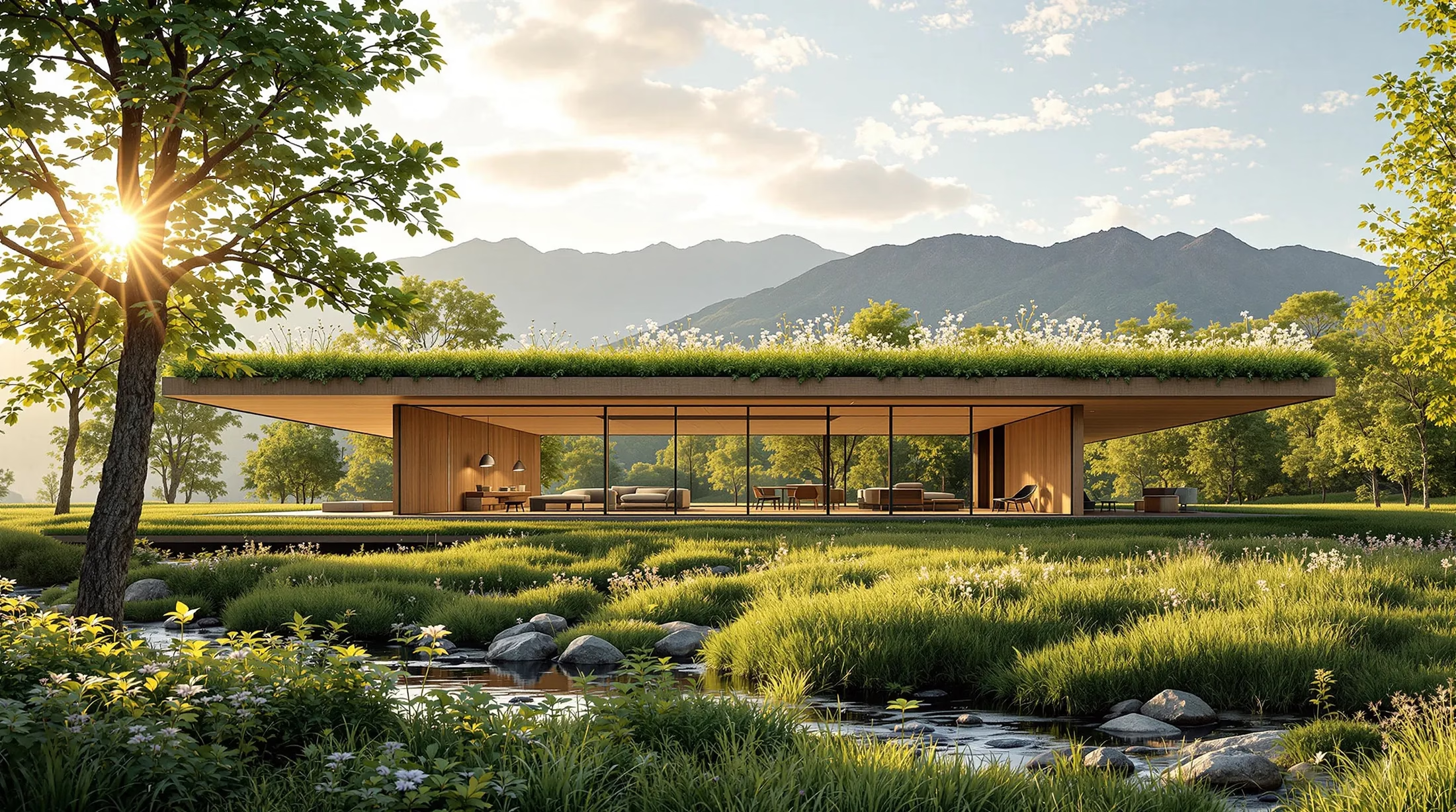
Incorporating Green Roofs
Green roofs transform unused rooftop space into living ecosystems, offering multiple benefits:
- Reduction in heating and cooling costs by up to 25%
- Stormwater management with 50-90% runoff reduction
- Enhanced air quality through natural filtration
- Creation of microhabitats for local wildlife
- Extended roof lifespan through UV protection
- Customizable vegetation options for different climates
Maximizing Natural Light
Strategic daylighting techniques enhance flat roof cabin interiors through:
- Expansive window walls and clerestory windows
- Strategically positioned skylights
- Solar tubes for deep interior illumination
- Light shelves for improved light distribution
- Glass doors as light-transmitting dividers
- Reflective surfaces for amplified natural lighting
Flexible Interior Layouts
Flat roof cabins excel in providing exceptional interior flexibility through their innovative structural design that eliminates load-bearing interior walls. This architectural freedom enables the creation of flowing, open floor plans that adapt to changing needs without requiring costly structural modifications. Modern designs incorporate:
- Movable partition systems for dynamic space division
- Sliding door mechanisms for seamless transitions
- Multi-functional furniture solutions for space optimization
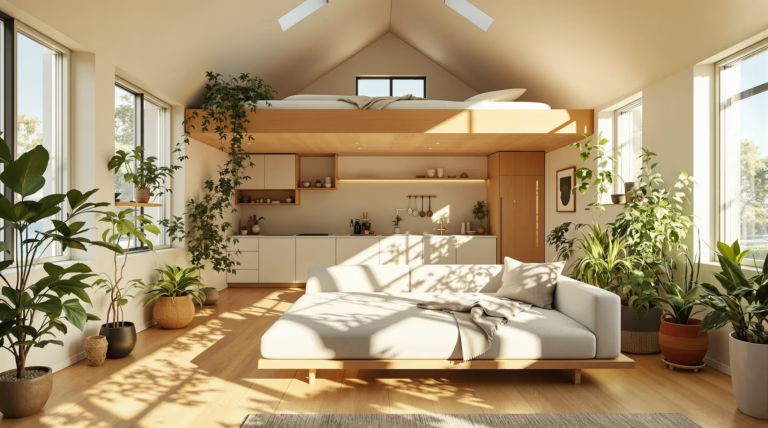
- Open concept layouts connecting kitchen, dining, and living areas
- Wall-sized glass doors for indoor-outdoor living integration
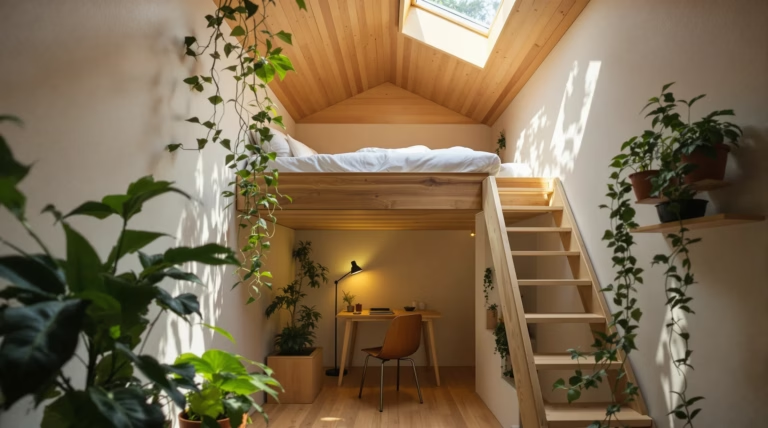
These adaptable spaces transform effortlessly between functions – from dining areas to workspaces, or living rooms to guest accommodations. For smaller cabins, intelligent space planning includes built-in storage, loft sleeping areas, and convertible furniture that maintain clean aesthetics while maximizing functionality. This versatility makes flat roof cabins ideal for both permanent homes and vacation properties.
Practical Considerations for Flat Roof Cabins
Despite their name, flat roofs incorporate a subtle pitch of 1-10 degrees to ensure proper water drainage. This essential slope is achieved through tapered shims on sleepers, providing both gradient and ventilation space. The weight distribution requires special attention to structural elements, particularly in the framing and support systems.
| Design Element | Key Considerations |
|---|---|
| Ridge Beam | Transfers roof weight through end posts in exterior walls |
| Window Headers | Requires reinforcement for load distribution |
| Roofing Material | Metal preferred for durability and weather resistance |
| Building Codes | Must address regional requirements and environmental factors |
Ensuring Proper Drainage
Effective water management is crucial for flat roof cabin longevity. Modern designs implement comprehensive drainage solutions including:
- Internal drainage systems with strategic outlet positioning
- Emergency overflow provisions for heavy rainfall
- Tapered insulation systems creating positive drainage paths
- Precisely sized scuppers, drains, and gutters
- Water-detection technology for early issue identification
Adapting to Local Weather Conditions
Climate-specific engineering ensures optimal performance across diverse environments. Key considerations include:
- Enhanced load-bearing capacity for heavy snowfall regions
- Reflective roofing materials for hot climates
- Wind-resistant edge detailing for elevated sites
- Temperature-adaptive materials for seasonal changes
- Ventilation systems for humidity control
- Climate-appropriate waterproofing membranes
Flat Roof Cabins for Different Uses
Modern flat roof cabins serve diverse purposes while maintaining their distinctive architectural character. Their adaptable designs accommodate various configurations:
- Year-round residential homes
- Seasonal vacation retreats
- Modular cabin units
- Mobile living spaces
- Park model structures
- Glamping accommodations
Contemporary builders favor metal roofing for these structures, combining exceptional durability with aesthetic appeal. This versatility enables customization for specific purposes while preserving the clean, horizontal lines that define modern flat roof architecture.
Designing for Permanent Residences
Structural integrity and long-term functionality are paramount when designing flat roof cabins as permanent homes. These year-round dwellings require comprehensive insulation systems, particularly in the roof assembly, to maintain comfort throughout all seasons. The flat roof design presents excellent opportunities for rooftop solar installations, significantly reducing long-term energy costs while supporting sustainable living.
- Robust mechanical systems with full plumbing infrastructure
- Comprehensive electrical systems for modern living needs
- Advanced HVAC solutions for year-round comfort
- Enhanced insulation for temperature regulation
- Integrated solar panel compatibility
Interior layouts emphasize practical space zoning with distinct separation between public and private areas. The minimalist exterior harmoniously blends with interior elements that add warmth and functionality, including wood finishes, textural variations, and built-in furnishings. Many homeowners utilize platforms like Pinterest for design inspiration, discovering successful approaches to balance modern aesthetics with comfortable, livable spaces. The architectural simplicity allows for investment in premium materials and fixtures designed for decades of daily use.
Creating Vacation Homes
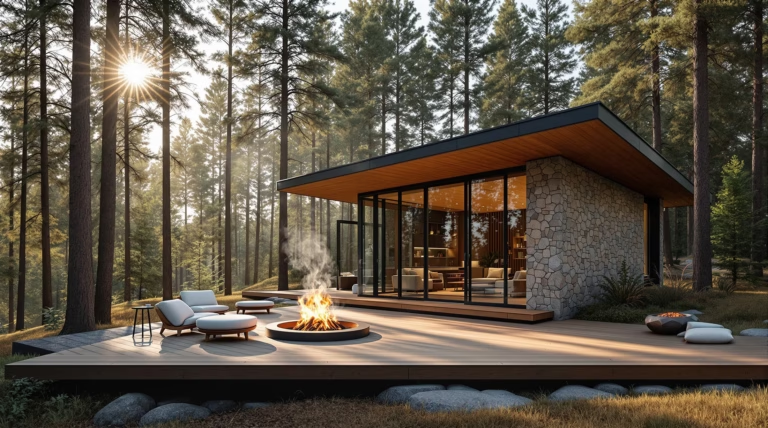
Vacation flat roof cabins focus on creating memorable experiences during limited-use periods, emphasizing different design elements than permanent residences. These structures feature seamless indoor-outdoor connections through:
- Expansive glass walls for panoramic views
- Large sliding doors for easy outdoor access
- Generous deck spaces extending living areas
- Low-maintenance metal roofing systems
- Flexible modular design options
Specialized vacation cabin types have emerged to serve specific recreational needs, from hunting cabins with durable materials to glamping pods offering elevated outdoor experiences. Mobile and modular flat roof options provide flexibility for relocation or future expansion. Park model cabins combine flat roof aesthetics with practical RV classification benefits, demonstrating how clean lines and adaptable architecture can create distinctive retreats that transcend conventional holiday accommodations.