Flat Roof House Plans with Photos: Stunning Designs & Ideas
Discover the architectural revolution that’s reshaping modern home design through flat roof houses. These innovative structures are redefining residential architecture, offering a perfect blend of form and function that appeals to design enthusiasts and practical homeowners alike. Let’s explore how these distinctive designs are transforming contemporary living spaces.
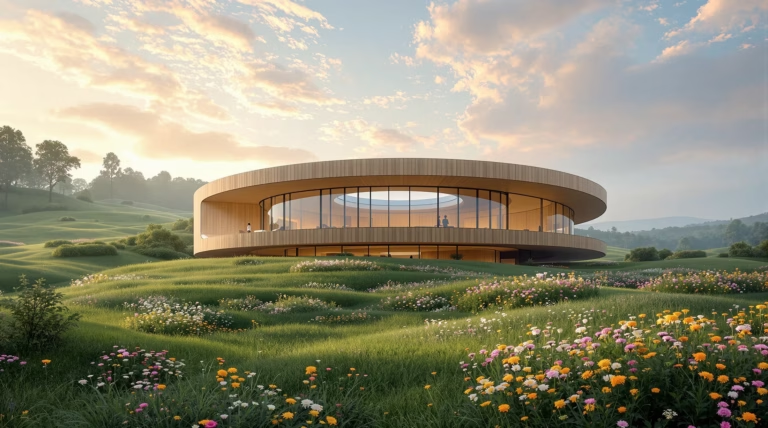
Flat roof house plans represent one of the most striking trends in contemporary architecture, combining sleek aesthetics with practical design elements. Unlike traditional pitched roofs, these modern structures feature horizontal roof surfaces with minimal slope, creating clean lines and distinctive silhouettes that immediately catch the eye. The minimalist approach of flat roof designs allows for exceptional architectural flexibility and creative expression.
These architectural marvels have evolved significantly over the decades, moving from primarily commercial applications to becoming highly sought-after residential designs. Modern flat roof house plans incorporate advanced materials and construction techniques that address previous limitations, making them increasingly popular for homeowners seeking distinctive, forward-thinking designs.
What is a Flat Roof House?
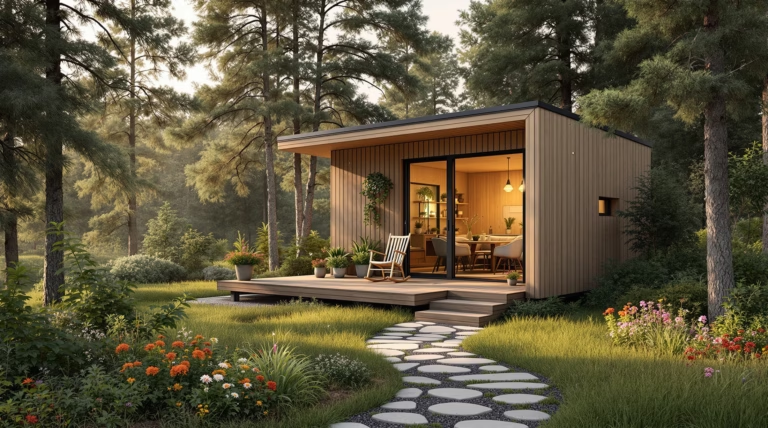
A flat roof house is characterized by its nearly level roof surface, typically featuring a slight pitch of 1-10 degrees to facilitate water drainage. This architectural style creates clean, horizontal lines that stand in stark contrast to traditional peaked roofs. Despite their name, these roofs aren’t completely flat—they incorporate subtle slopes and drainage systems to prevent water accumulation.
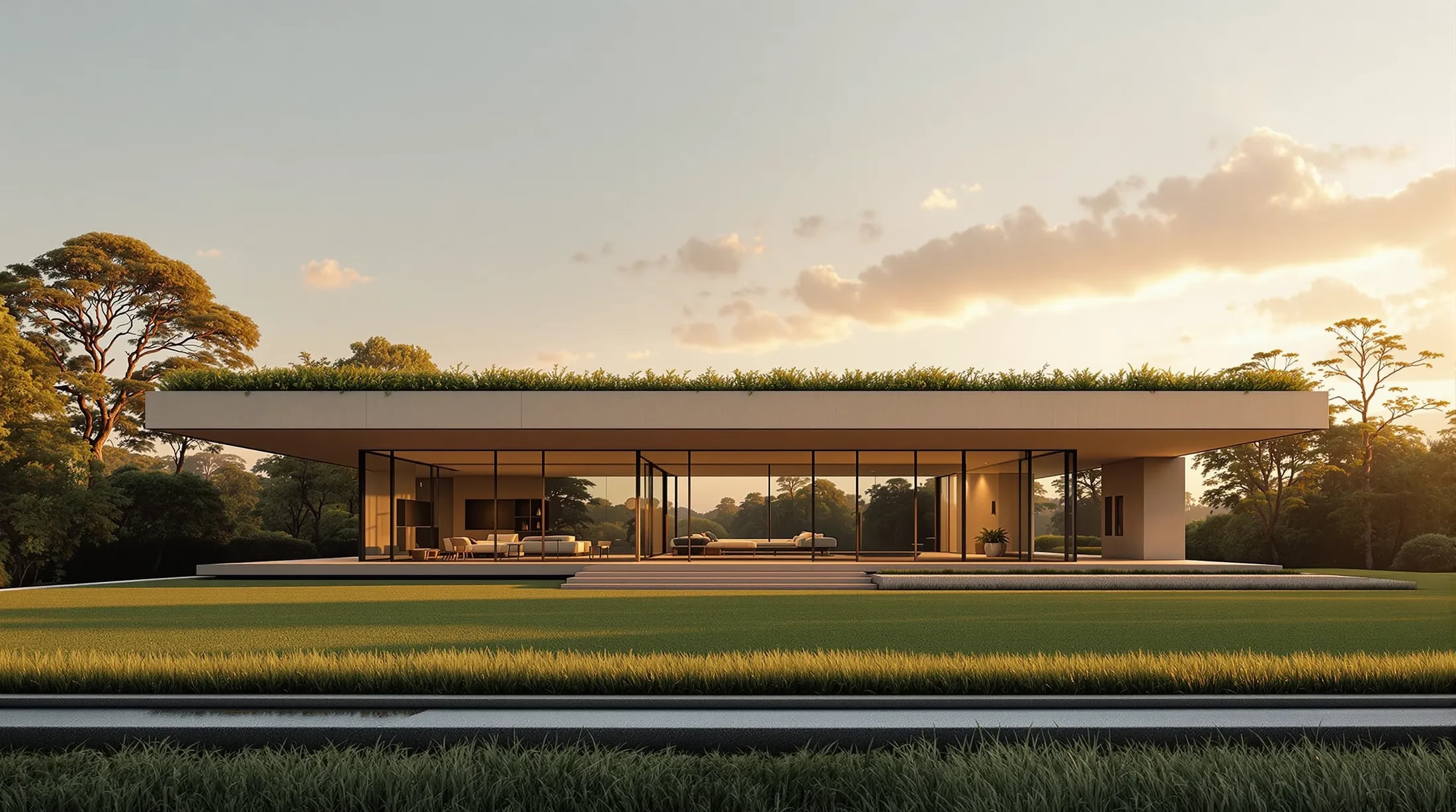
These designs frequently incorporate large windows, open floor plans, and indoor-outdoor living spaces that maximize natural light and connection with the surrounding environment. The simplicity of the roof structure serves as a canvas for architectural creativity, allowing for dramatic overhangs, cantilevered sections, and multi-level compositions.
Benefits of Flat Roof Designs
- Enhanced energy efficiency with reduced heating and cooling requirements
- Optimal platform for solar panel installation
- Lower construction and maintenance costs
- Additional usable space for rooftop gardens or outdoor living areas
- Simplified maintenance and inspection processes
- Potential for future expansion and modifications
- Excellent support for sustainable features and green initiatives
Stunning Flat Roof House Designs
Contemporary architecture has embraced flat roof house designs for their distinctly modern aesthetic and versatile functionality. These architectural statements are characterized by clean lines, geometric precision, and an unmistakable silhouette that breaks away from traditional housing norms. The beauty of flat roof homes lies in their ability to maximize spatial efficiency while creating visually striking exteriors that complement diverse landscapes.
Modern and Minimalist Styles
Modern flat roof designs often embrace minimalism through their clean, uncluttered aesthetics and thoughtful spatial arrangements. These homes reject ornamental excess in favor of purposeful design elements that serve both functional and visual roles.
- Strong horizontal lines and geometric forms
- Strategic use of concrete, steel, and glass
- Floor-to-ceiling windows for natural light
- Open floor plans with minimal partitions
- Dramatic overhangs for shade and visual interest
- Integrated outdoor living spaces
Incorporating Traditional Elements
Despite their modern associations, flat roof house designs can beautifully incorporate traditional architectural elements, creating hybrid aesthetics that honor cultural heritage while embracing contemporary sensibilities. These fusion designs might feature natural stone cladding, exposed timber beams, or regionally-inspired details that root the structure in local building traditions.
| Climate Region | Traditional Elements | Modern Integration |
|---|---|---|
| Warm Climates | Courtyards, deep eaves | Shaded outdoor living spaces |
| Mountain Regions | Heavy timber, stone foundations | Large fireplaces, modern materials |
Material Selection for Flat Roofs
Selecting the right materials for your flat roof house is a decision that impacts aesthetics, longevity, energy efficiency, and maintenance requirements. Unlike pitched roofs, flat roof structures demand specialized materials engineered to handle unique environmental challenges, particularly water management. Modern flat roof systems have evolved to incorporate advanced materials that effectively address traditional concerns while enhancing overall home performance.
- Climate adaptation – materials must suit local weather conditions
- Water resistance – essential for preventing leaks and damage
- Structural integrity – proper support for roof weight and loads
- Energy efficiency – materials that optimize thermal performance
- Durability – components that withstand environmental stress
Popular Materials for Flat Roofs
| Material Type | Lifespan | Key Benefits |
|---|---|---|
| EPDM Rubber | 30+ years | Exceptional waterproofing, minimal maintenance |
| TPO Membrane | 20-30 years | High reflectivity, UV resistance |
| PVC Membrane | 20-30 years | Energy efficient, durable |
Exterior cladding materials significantly influence both aesthetics and performance. Metal panels, including zinc, copper, and aluminum, offer sleek appearances with exceptional durability. Wood siding creates natural warmth but requires regular maintenance in humid climates. Stucco provides smooth, modern finishes, while brick and stone add timeless appeal and texture.
Choosing the Right Color Palette
Color selection for flat roof homes influences both architectural presence and energy performance. Current design trends favor monochromatic schemes with subtle contrasts that emphasize clean lines. Warm grays, sophisticated whites, and muted earth tones create understated elegance, while strategic accents in charcoal, deep blues, or natural wood provide visual anchors.
- Light colors reflect solar radiation, reducing cooling costs by 20-40%
- Dark tones in cooler climates help retain heat
- Neutral base colors allow for flexible accent options
- Climate-appropriate colors optimize thermal performance
- Strategic color placement enhances architectural features
Inspiration and Ideas for Your Flat Roof Home
Digital platforms like Houzz, Dwell, and Pinterest serve as valuable resources for flat roof design inspiration. These platforms showcase professionally photographed homes, offering insights into successful design solutions across various climates, terrains, and budgets. Creating mood boards that combine material samples, color swatches, and landscaping ideas helps develop a cohesive vision that bridges architectural planning with personal expression.
Creating a Cohesive Exterior Design
Successful flat roof home exteriors achieve visual harmony through thoughtful integration of structural elements, materials, and landscaping. The horizontal emphasis of flat rooflines provides an excellent foundation for balanced compositions that flow naturally with the surrounding environment. Strategic landscaping anchors homes to their sites, softening geometric lines and enhancing indoor-outdoor connections through carefully planned transition zones like patios, terraces, and garden walls.
Maximizing Space with Flat Roofs
Flat roof designs excel at space efficiency, offering unique opportunities to expand your home’s functional square footage both horizontally and vertically. The defining characteristic – their flat upper surface – immediately provides usable outdoor space that traditional pitched roofs cannot offer. These areas transform into:
- Rooftop terraces with panoramic views
- Urban gardens and green spaces
- Outdoor living rooms and entertainment areas
- Private retreats away from street level
- Additional storage solutions
Inside the home, flat roof designs eliminate awkward ceiling angles and wasted attic space, creating cleaner interior volumes and more efficient floor plans. The consistent ceiling height enables dramatic architectural elements like clerestory windows that flood interiors with natural light. For smaller homes, this spatial efficiency proves particularly advantageous – compact flat roof designs feel significantly more spacious than similarly sized homes with traditional roof structures.
Conclusion: Embracing Flat Roof House Plans
Flat roof house plans represent more than an architectural trend – they embody a forward-thinking approach to residential design that balances aesthetics, functionality, and sustainability. These distinctive homes offer clean lines and geometric precision while providing practical advantages:
- Additional usable outdoor space
- Enhanced energy efficiency
- Greater design flexibility
- Improved spatial utilization
- Environmental responsibility
For those considering flat roof house plans, numerous resources showcase extensive photo galleries of completed projects across various landscapes and climates. Whether drawn to sleek modernism or hybrid approaches incorporating traditional elements, flat roof architecture offers versatile solutions tailored to specific needs, preferences, and site conditions. These designs continue to evolve, pushing boundaries of contemporary architecture while maintaining practical functionality and environmental consciousness.