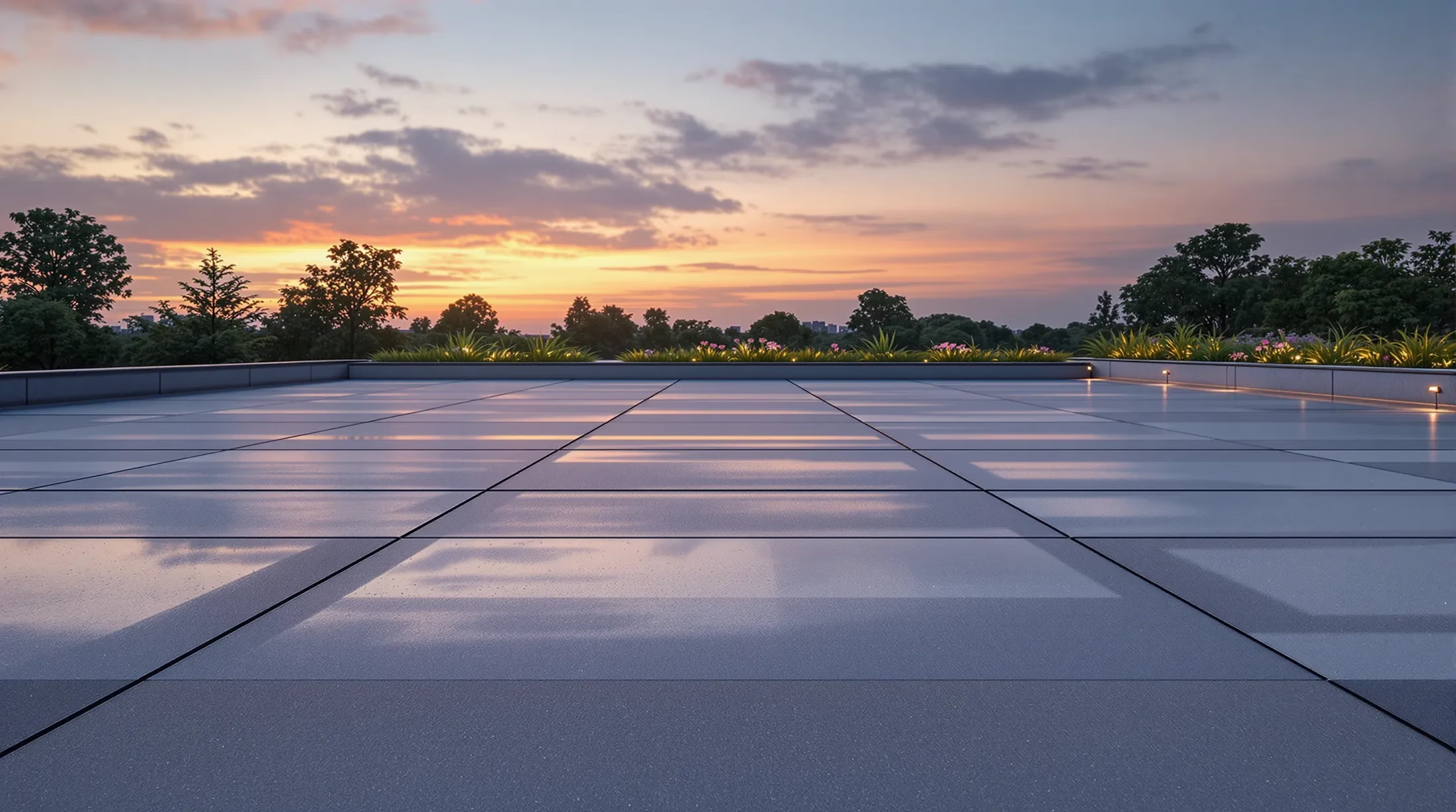
Flat Roof Plan: Essential Designs and Considerations
Discover how flat roof plans are revolutionizing modern architecture by combining sleek aesthetics with practical functionality. Whether you’re planning a new build or considering a renovation, understanding the essentials of flat roof design can help you make informed decisions for your project.
Understanding Flat Roof Plans
Flat roof plans represent a distinctive architectural approach that merges contemporary aesthetics with practical functionality. These designs create clean horizontal lines and maximize usable space in both residential and commercial structures. Despite their name, flat roofs actually incorporate a slight pitch of 1-10 degrees to ensure proper water drainage.
Professional flat roof plans can be found on specialized platforms like houseplans.com, offering diverse collections for various structures including:
- Modern homes
- Commercial buildings
- Barns and workshops
- Carports and garages
- Multi-purpose structures
Components of a Flat Roof Plan
A comprehensive flat roof system consists of multiple critical layers working together to ensure structural integrity and functionality.
| Component | Function |
|---|---|
| Deck/Substrate | Foundation layer made from concrete, wood, or metal |
| Vapor Control Layer | Prevents moisture penetration into insulation |
| Insulation Layer | Provides thermal regulation |
| Waterproofing Membrane | Primary barrier against water infiltration |
| Drainage System | Manages water runoff through internal drains or scuppers |
Common Materials Used in Flat Roofs
The selection of appropriate materials significantly impacts performance and longevity. Here are the primary options:
- EPDM (Ethylene Propylene Diene Monomer) – Offers exceptional weather resistance with a 50-year lifespan
- TPO (Thermoplastic Polyolefin) – Provides excellent energy efficiency with reflective properties
- PVC (Polyvinyl Chloride) – Delivers superior chemical resistance and durability
- Built-up Roofing (BUR) – Features multiple layers of bitumen and reinforcing fabrics, lasting 15-20 years
- Modified Bitumen – Combines traditional reliability with polymer-enhanced durability
Design Considerations for Flat Roofs
A successful flat roof design requires careful attention to several critical factors. The recommended slope ratio is 1:80 or 2%, ensuring effective water drainage while maintaining the distinctive flat profile. Pre-sloped roof structures ordered during construction can eliminate the need for later modifications.
Importance of Drainage in Flat Roofs
Proper drainage is crucial for flat roof longevity. Industry standards recommend:
- Wide scuppers (2 feet x 3-4 inches) along the roof’s low side
- Strategic placement of internal drains at low points
- Implementation of primary and secondary drainage pathways
- Regular post-rainfall inspections to check for standing water
- Immediate attention to areas with water remaining after 48 hours
Insulation and Energy Efficiency
Modern flat roof designs incorporate high-performance insulation materials directly within the roof assembly. Popular options include:
- Polyisocyanurate (R-value: 5.6-8 per inch)
- Extruded polystyrene (R-value: 5 per inch)
Proper insulation combined with reflective roof membranes can reduce HVAC energy consumption by 20-30%, making flat roofs an energy-efficient choice for modern construction.
Practical Uses of Flat Roofs
Flat roofs offer exceptional versatility beyond their protective function. Their level surface provides valuable additional space that can be repurposed for numerous practical applications, effectively increasing a property’s functional footprint without expanding ground coverage. This design feature makes flat roofs particularly attractive for both residential and commercial structures.
Modern architects and developers view flat roofs as multifunctional platforms rather than mere structural elements. The extensive horizontal plane can accommodate various installations and amenities that would be impractical on traditional pitched roofs. These adaptable spaces enhance property value and functionality while potentially offsetting initial construction costs through long-term benefits.
Rooftop Gardens and Terraces
- Absorb up to 75% of rainwater, reducing runoff
- Improve air quality by filtering pollutants
- Reduce cooling costs by 25-50% during summer months
- Create functional outdoor spaces in urban environments
- Serve as attractive amenities for commercial properties
The transformation of flat roofs into functional terraces requires careful consideration of several factors:
- Waterproofing integrity
- Weight distribution calculations
- Strategic access point placement
- Implementation of safety features
- Integration with existing building systems
Solar Panel Installations
Flat roofs provide ideal platforms for solar panel installations, offering expansive, unobstructed surfaces for optimal energy capture. Unlike pitched roofs, flat surfaces allow for precise panel positioning regardless of building orientation, typically resulting in higher energy production efficiency.
| Feature | Benefit |
|---|---|
| Ballasted mounting systems | No roof penetration required, preserving waterproofing |
| Flexible positioning | Optimal angle and direction for maximum efficiency |
| Lifespan | 25-30 years of renewable energy production |
| Financial incentives | Tax benefits and rebates in many jurisdictions |
Maintenance and Longevity of Flat Roofs
A well-maintained flat roof can last 20-30 years, with premium systems potentially exceeding 30 years of service. Regular maintenance is crucial for preventing structural failures, particularly during heavy rainfall periods. Professional inspections become especially important after extreme weather events, when subtle damage may compromise the entire system if left unaddressed.
Regular Maintenance Practices
- Quarterly inspections of drainage pathways and debris removal
- Regular checks of seams, flashings, and termination points
- Monitoring of roof-mounted equipment bases and penetration seals
- Pre-seasonal drainage system clearing
- Vegetation removal and surface blister assessment
- Documentation of all maintenance activities
Professional inspections during spring and fall help identify potential issues caused by thermal expansion and contraction. Documented maintenance creates a valuable history for identifying recurring problems and planning replacements, potentially saving 3-5 times the cost of emergency repairs.
Regulations and Cost Considerations
Navigating the regulatory landscape is essential for successful flat roof implementation. Building codes vary by region, particularly regarding load-bearing requirements, minimum slope specifications, and drainage standards. In areas with heavy precipitation, such as the Fraser Valley in British Columbia, codes mandate more robust drainage solutions and structural support compared to drier regions. Early understanding of these regulations can prevent costly redesigns and construction delays that typically increase expenses by 15-25%.
Adhering to Building Codes
- Minimum slope requirements – typically 1/4 inch per foot (2%)
- Load calculations for dead loads, environmental factors, and rooftop installations
- Fire resistance ratings for commercial and multi-family applications
- Thermal performance standards with R-values 25% higher than pitched roofs
- Parapet height requirements (30-42 inches) for fall protection
- Drainage specifications for scupper sizing and placement
Cost-Effectiveness of Flat Roofs
| Cost Factor | Impact |
|---|---|
| Initial Material Savings | 10-15% lower than pitched roofs |
| Maintenance Costs | 20% lower over lifetime |
| Single-ply Membrane Installation | $5-$12 per square foot |
| Built-up Roofing Premium | 15-25% higher initial cost |
| Quality Installation Investment | 5-10% additional cost, extends lifespan 30-50% |
The economic advantages of flat roofs extend beyond initial savings through simplified geometry and easier maintenance access. Material selection significantly impacts both immediate costs and long-term performance. Single-ply membranes like TPO and PVC typically offer the best balance between initial investment and longevity. The most cost-effective approach combines appropriate material selection with thoughtful design details, particularly in drainage systems and penetration points.