Floor Plans for Small House: Creative Designs and Layouts
Discover how small house floor plans are revolutionizing modern living by combining smart design with efficient space utilization. From cozy cottages to innovative tiny homes, these compact dwellings prove that exceptional living doesn’t require excessive square footage.
Understanding Floor Plans for Small Houses
Floor plans for small houses represent architectural blueprints that maximize functionality within limited space, typically ranging from 400 to 1,300 square feet. These designs demonstrate how thoughtful planning creates comfortable, efficient living spaces without excessive size. The rising popularity of small house plans reflects evolving lifestyle preferences, economic considerations, and environmental consciousness.
Modern small house floor plans incorporate innovative space-saving techniques while maintaining essential living areas. These compact designs prove that reduced square footage doesn’t mean sacrificing comfort or style. Many homeowners find that well-designed small houses enhance their quality of life through reduced maintenance, lower utility costs, and more intentional living.
What Defines a Small House?
A small house exemplifies efficient space utilization, typically under 1,300 square feet. These homes feature:
- Living room and dining area
- Functional kitchen
- One or two bedrooms
- Bathroom
- Single-story layout optimization
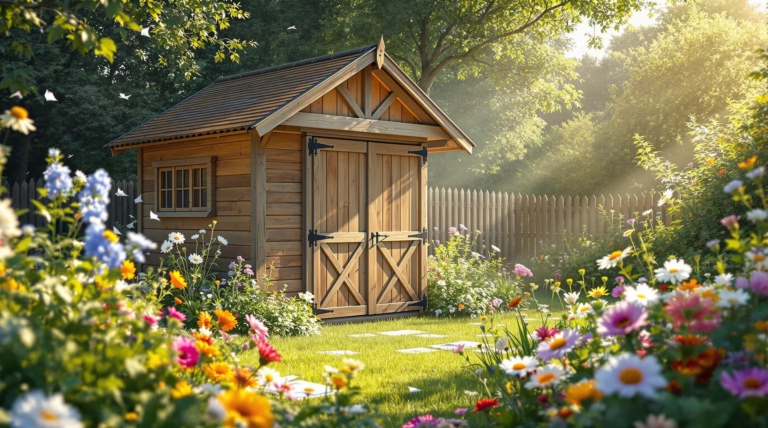
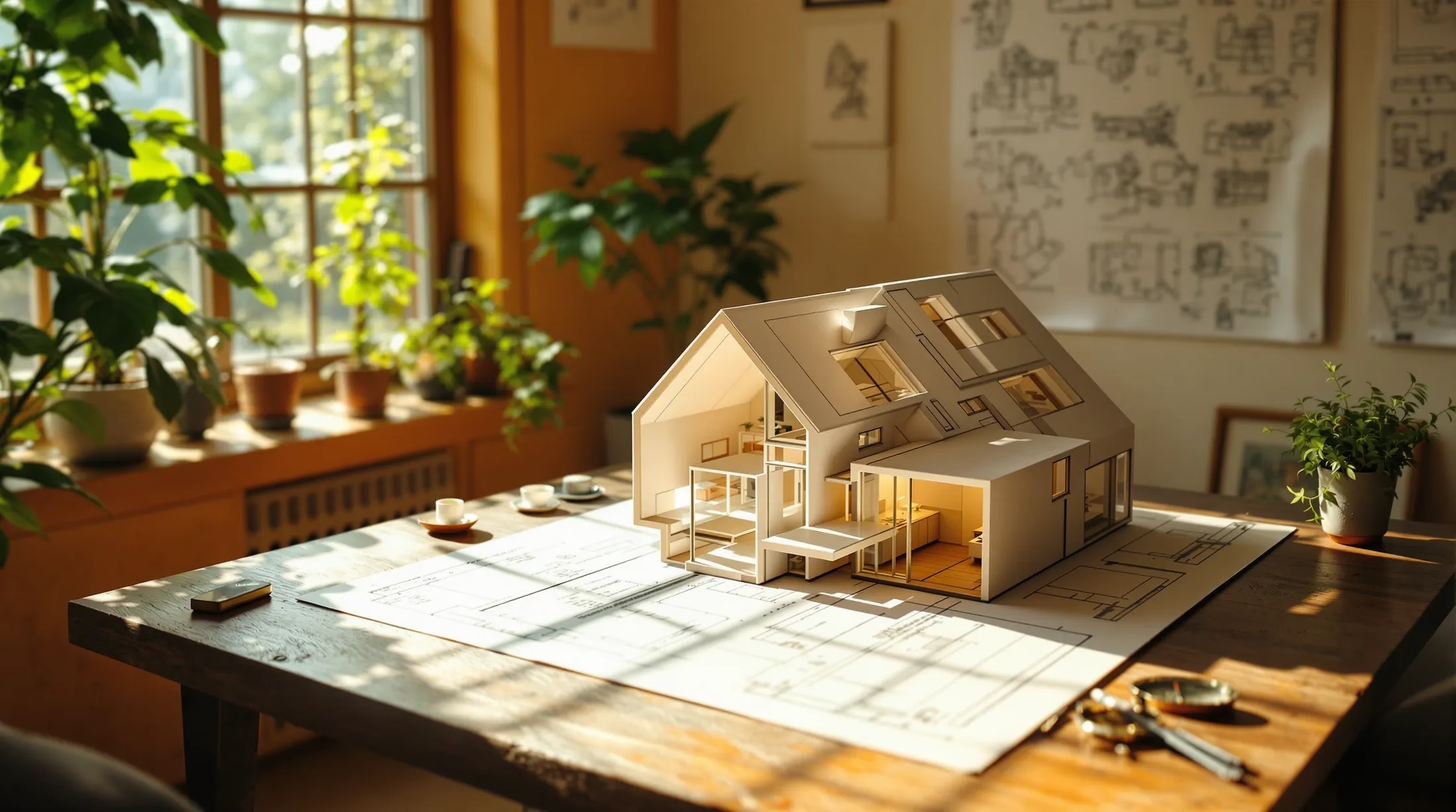
Small houses vary significantly in style and configuration, from traditional scaled-down designs to innovative compact living solutions. A common example is the 5×10 meter (538 square feet) single-story cabin, which masterfully combines essential living areas through thoughtful design elements like built-in storage and strategic window placement.
Benefits of Small House Floor Plans
- Reduced construction costs through decreased materials and labor
- Lower ongoing expenses for utilities and maintenance
- Enhanced energy efficiency in heating and cooling
- Versatile placement options, including challenging lots
- Reduced environmental impact and resource consumption
- Simplified maintenance requirements
Popular Styles for Small House Floor Plans
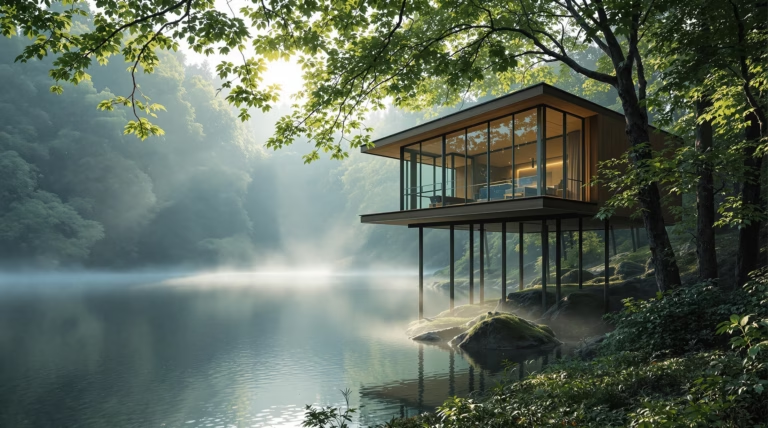
Small house designs encompass diverse architectural styles, from rustic to ultra-modern, proving that limited space doesn’t restrict design possibilities. These compact homes showcase various aesthetic approaches while maintaining functionality within their limited square footage.
| Style | Key Features |
|---|---|
| Southern | Wraparound porches, high ceilings, symmetrical design |
| Traditional | Classic proportions, familiar layouts, timeless appeal |
| Tudor | Steep roof lines, decorative half-timbering, distinctive windows |
| Victorian | Ornate details, vertical design elements, unique architectural features |
Modern Farmhouse and Its Appeal
The modern farmhouse style has emerged as a leading choice for small house floor plans, featuring:
- White exterior siding with black window frames
- Pitched roofs and prominent front porches
- Open-concept interior layouts
- Natural materials including wood beams and shiplap
- Practical storage solutions and multi-purpose spaces
The Rise of Tiny Homes
Tiny homes, typically under 400 square feet, represent a revolutionary approach to residential architecture. These ultra-compact dwellings emphasize experiences over possessions, featuring innovative solutions like:
- Lofted sleeping areas
- Convertible furniture
- Vertical storage systems
- Built-in multi-functional components
- Energy-efficient design elements
Design Features in Small House Floor Plans
Small house floor plans masterfully balance functionality and comfort within limited square footage, typically not exceeding 1,300 square feet. These designs incorporate essential living spaces through thoughtfully arranged layouts that maximize livability. The best small house designs eliminate wasted space while maintaining openness through strategic architectural features and multi-purpose areas.
- Smart storage solutions
- Multipurpose rooms
- Flexible spaces for evolving needs
- Efficient room arrangements
- Strategic architectural elements
Maximizing Space with Open Floor Plans
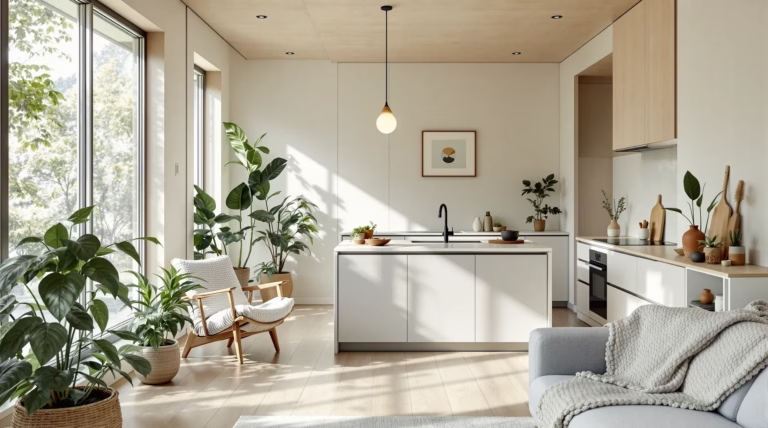
Open floor plans have transformed small house design by creating continuous, flowing spaces that feel significantly larger than their actual dimensions. By combining kitchen, dining, and living areas into a single cohesive environment, these designs allow natural light to penetrate deeper while enabling better sightlines throughout the main living space.
- Vaulted or raised ceilings for vertical spaciousness
- Built-in furniture and storage solutions
- Half-walls and islands for zone definition
- Strategic flooring materials to define areas
- Enhanced natural light distribution
- Improved social interaction flow
Customization Options for Small Houses
| Interior Options | Exterior Features |
|---|---|
| Adjustable room configurations | Traditional to contemporary facades |
| Dedicated home office nooks | Front porches and decks |
| Enhanced kitchen spaces | Adaptable site orientations |
| Custom storage solutions | Extended outdoor living areas |
Choosing the Right Small House Plan for You
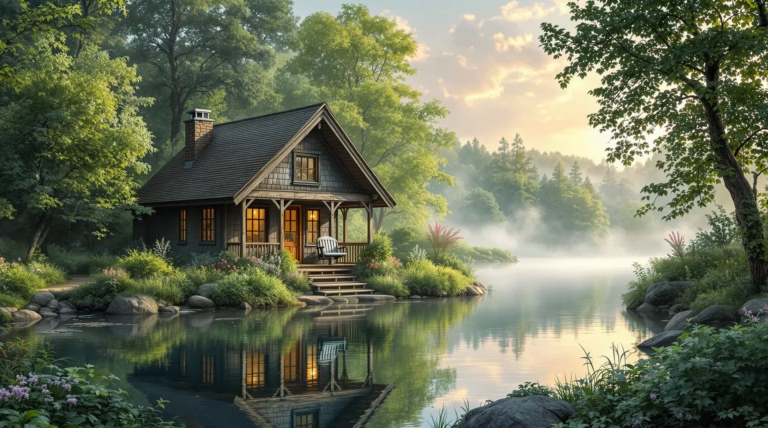
Finding the perfect small house plan requires balancing practical needs with personal preferences. Today’s market offers diverse options from traditional wooden cabins to ultra-modern tiny houses, each maximizing functionality within limited square footage. Professional designers can help optimize every square foot while ensuring compliance with building codes and structural requirements.
Factors to Consider When Selecting a Plan
- Lot dimensions and requirements
- Local building restrictions and setbacks
- Property topography and orientation
- Future accessibility needs
- Storage requirements
- Potential for expansion
- Multi-purpose space options
Budgeting for Your Small House
One of the primary advantages of small house plans is their affordability, but creating a realistic budget requires looking beyond just the initial construction costs. While smaller homes generally require fewer materials and less labor to build, cost per square foot can sometimes be higher than in larger homes due to the concentrated infrastructure—especially in kitchens and bathrooms.
- Land costs and site preparation
- Construction materials and labor
- Building permits and fees
- Quality insulation and windows
- Efficient heating and cooling systems
- Interior and exterior finishing
| Cost-Effective Design Strategies | Long-Term Benefits |
|---|---|
| Simple roof lines | Lower maintenance costs |
| Rectangular footprints | Easier construction process |
| Two-story designs | Reduced foundation costs |
| Strategic finish selection | Better resale value |
| Value-engineered plans | Enhanced energy efficiency |
Many small house designers offer value-engineered plans specifically created to minimize construction costs while maintaining livability. These designs make homeownership more accessible for first-time buyers, downsizers, and those seeking simpler, more sustainable living options. Focus investments on high-use areas like kitchens and bathrooms while choosing more modest finishes elsewhere to optimize your budget allocation.