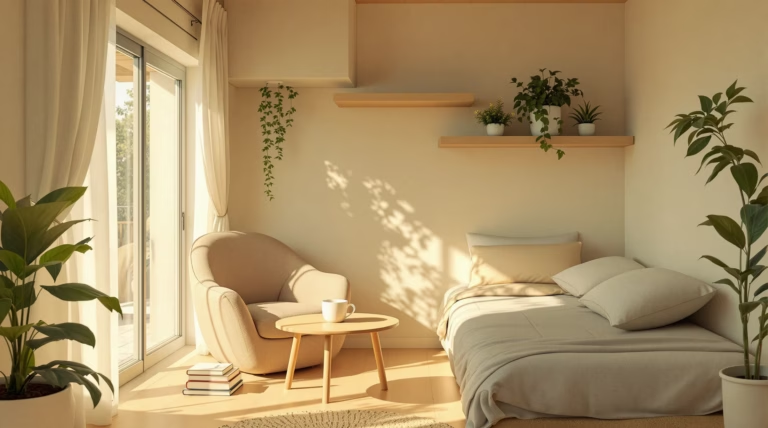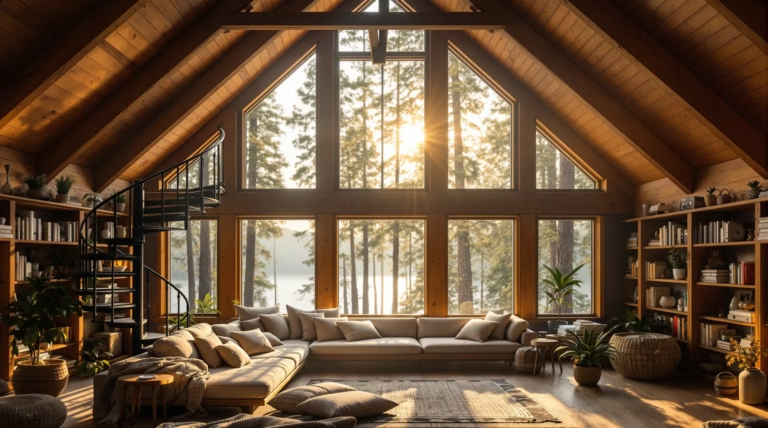
Garden Cabins: Explore Unique Designs and Ideas
Transform your outdoor space into a functional retreat with a garden cabin – a versatile solution that combines style, comfort, and practicality. From serene workspaces to cozy entertainment areas, these standalone structures offer endless possibilities for expanding your living space while enhancing your property’s value.
Garden cabins have revolutionized outdoor space utilization, offering versatile structures that seamlessly blend functionality with aesthetic appeal. These wooden buildings provide additional living space without permanent construction, making them an attractive option for property owners seeking to maximize their garden’s potential. The growing market for these adaptable structures reflects their broad appeal, serving everyone from remote workers to hobby enthusiasts.
What Are Garden Cabins?
Garden cabins are sophisticated standalone structures designed for year-round use, featuring superior construction elements that set them apart from standard garden sheds. These buildings incorporate:
- High-quality wood construction with proper foundations
- Comprehensive insulation systems
- Double-glazed windows for temperature control
- Premium roofing materials for durability
- Multi-functional space configurations
Benefits of Having a Garden Cabin
Installing a garden cabin offers substantial advantages that extend beyond additional square footage:
- Creates a dedicated space for specific activities without disrupting your main home
- Establishes a psychological boundary between work and home life
- Increases property value at a fraction of traditional extension costs
- Requires minimal maintenance compared to interior renovations
- Offers quick construction timeframes – often completed within weeks
- Provides energy-efficient space with natural light optimization
Types of Garden Cabins
Garden cabins come in various styles and constructions, each offering unique characteristics suited to different needs and preferences. The choice of cabin type significantly impacts its durability, maintenance requirements, and overall aesthetic appeal.
Wooden Garden Cabins
Wooden garden cabins represent the most versatile option, featuring:
- Natural insulation properties from solid timber construction
- Premium wood options including pine, spruce, or cedar
- Breathable structure that adapts to seasonal changes
- Customizable interior layouts
- Sustainable material options from managed forests
Log Garden Cabins
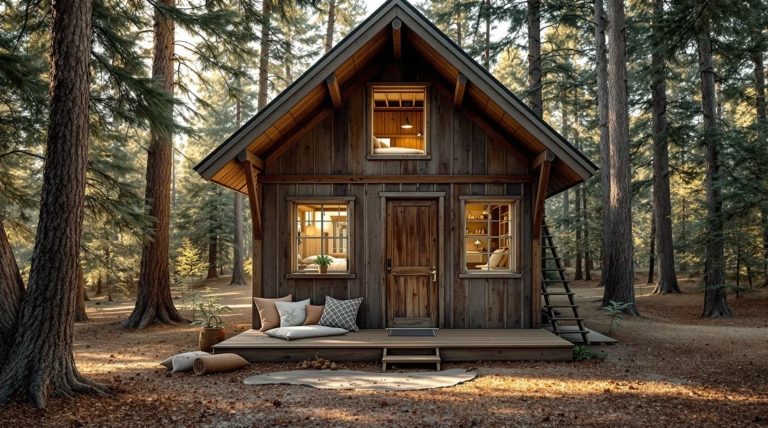
Log garden cabins offer distinctive characteristics that set them apart:
- Superior thermal mass for enhanced temperature regulation
- Robust construction using thick wall systems
- Traditional corner joinery techniques for structural stability
- Excellent acoustic properties
- Natural moisture regulation capabilities
- Timeless aesthetic that develops character over time
Prefab Garden Cabins
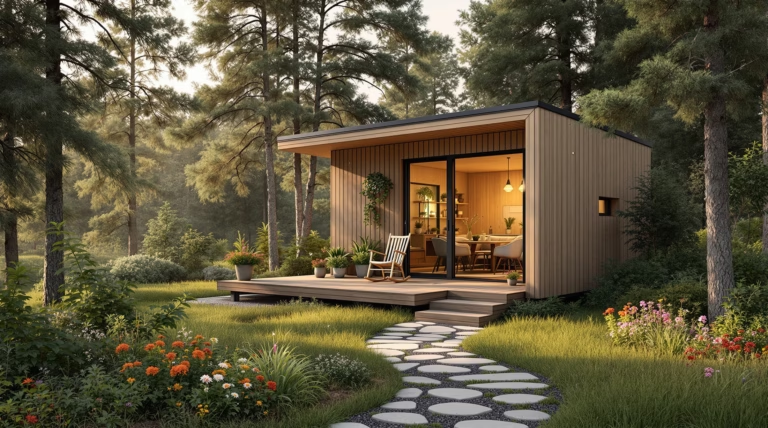
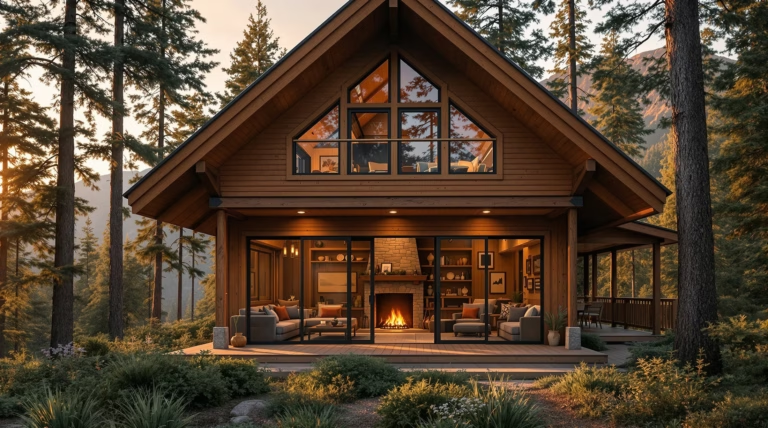
Prefabricated garden cabins represent the cutting-edge of modern outdoor structures, combining efficient installation with contemporary design aesthetics. These precision-engineered buildings are manufactured in controlled environments, ensuring exceptional quality and consistency throughout. The ready-to-assemble components dramatically reduce on-site construction time compared to traditional methods, while featuring clean lines, expansive glass elements, and innovative material combinations that create striking garden focal points.
- Enhanced insulation systems for optimal temperature control
- Energy-efficient glazing that reduces operating costs
- Sustainable materials with minimal environmental impact
- Customizable layouts within standardized frameworks
- Space-saving design features for compact footprints
- Superior weatherproofing and structural integrity
Designing Your Garden Cabin
The design phase merges creative expression with practical functionality, offering endless possibilities from rustic retreats to contemporary studios. Your garden cabin should reflect both personal style and specific needs while complementing existing landscape features. Professional suppliers like Quick-Garden (www.quick-garden.co.uk) provide extensive customization options, helping transform your vision into reality.
Choosing the Right Style
- Modern designs – featuring clean lines, large windows, and contemporary materials ideal for home offices
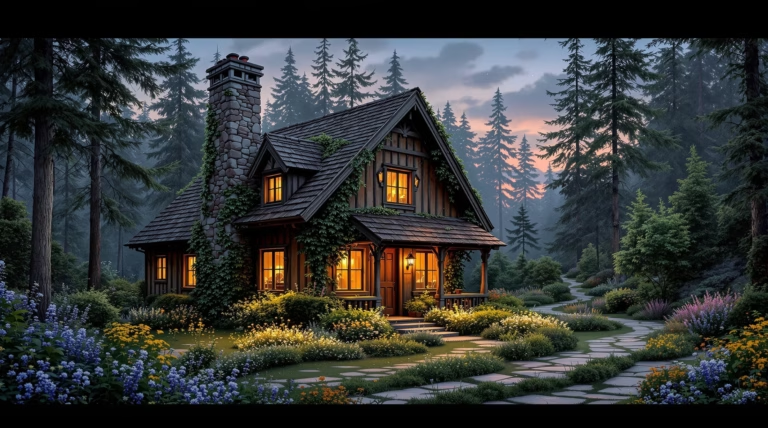
- Rustic cabins – incorporating exposed beams and natural wood finishes perfect for relaxation spaces
- Contemporary minimalist – complementing structured garden layouts
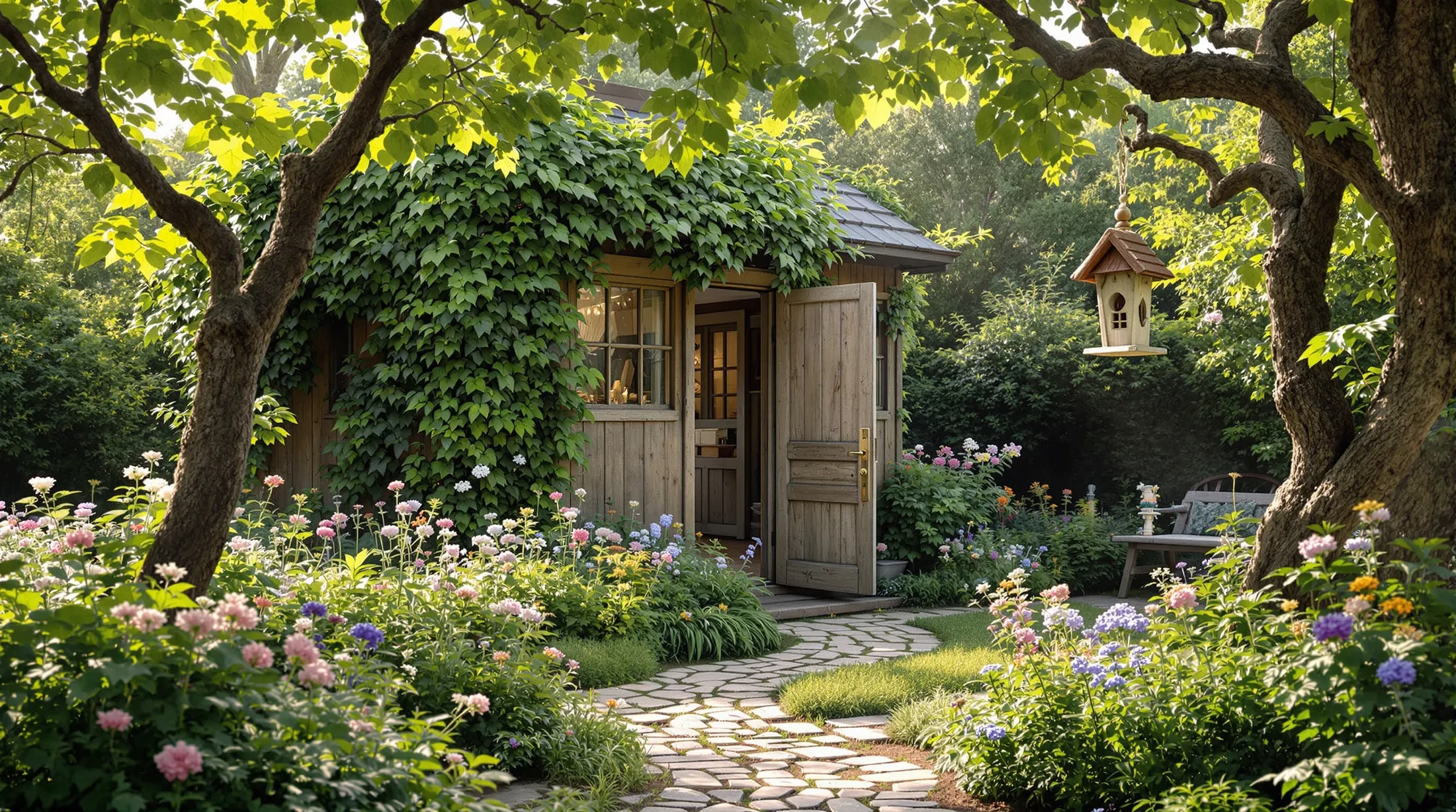
- Cottage-style – harmonizing with informal, flowering gardens
- Architectural elements – including gabled, flat, or mono-pitched roofs for distinct visual impact
Interior Design Ideas
The interior design of your garden cabin creates a purposeful space that supports intended activities while expressing personal style. Strategic elements include:
- Built-in furniture solutions for maximum space efficiency
- Adaptable lighting systems combining natural and artificial sources
- Large windows and glass doors framing garden views
- Multi-functional storage solutions for organized spaces
- Indoor-outdoor connection features like covered porches or bi-fold doors
- Climate control systems for year-round comfort
Uses for Garden Cabins
Modern garden cabins serve as versatile extensions of living space, offering dedicated areas for numerous activities without major home renovations. These adaptable structures evolve with changing needs – transitioning from home offices to study rooms, guest accommodations, or hobby spaces. The physical separation from the main residence creates beneficial boundaries, particularly valuable for maintaining work-life balance while working from home.
Garden Office Cabins
The rise of remote work has transformed garden office cabins into essential professional spaces that provide separation from household distractions. These dedicated workspaces incorporate vital productivity elements while maintaining comfort throughout the year.
- Comprehensive insulation systems for year-round temperature control
- Strategic electrical outlet placement for technology integration
- Enhanced security features for peace of mind
- Optimized window positioning for natural light without screen glare
- Clear physical boundary between work and personal life
- High-speed internet connectivity solutions
- Built-in storage and desk configurations
- Climate control systems for optimal comfort
- Optional kitchenette or bathroom facilities
The investment in a well-designed garden office delivers substantial returns through increased productivity, eliminated commute times, and potential tax advantages (subject to local regulations). Various online resources showcase creative garden office designs that merge professional requirements with personal aesthetics.
Workshop and Hobby Spaces
Garden cabins excel as dedicated workshop environments for creative pursuits, offering distinct advantages over home-based alternatives. These specialized spaces accommodate noise-generating activities, dust production, and specialized equipment without interfering with household life.
- Woodworking – integrated dust extraction systems
- Art studios – north-facing windows for consistent lighting
- Music rooms – acoustic treatment for sound management
- Photography – adjustable lighting configurations
- Crafting – custom storage solutions for materials
Flexibility remains crucial in hobby-focused garden cabins. Incorporating movable furniture and modular storage allows the space to evolve with changing interests. This adaptability ensures long-term value, supporting various creative pursuits as they develop over time.
Building and Maintaining Garden Cabins
Successful garden cabin construction demands thorough planning and consistent maintenance to ensure lasting functionality. Whether pursuing DIY construction or professional installation, understanding fundamental building principles helps create a durable, practical structure. Quick-Garden (www.quick-garden.co.uk/log-cabins.html) offers comprehensive resources for both construction guidance and product selection.
DIY Assembly Tips
- Review manufacturer instructions thoroughly before unpacking
- Create complete component inventory
- Establish level foundation extending 50cm beyond cabin footprint
- Gather essential tools: spirit level, rubber mallet, power drill, stepladder
- Choose dry, calm weather conditions for assembly
- Ensure proper alignment and square corners throughout construction
- Work methodically without rushing the process
Maintenance and Care
- Conduct biannual inspections (spring and autumn)
- Monitor roof, foundation, and timber joints regularly
- Apply timber treatments every 2-3 years
- Maintain proper ventilation to prevent condensation
- Keep gutters and drainage clear of debris
- Use appropriate cleaning products for specific materials
- Address minor issues promptly to prevent deterioration