Garden Workshop Ideas: Creative Projects for Your Green Space
Transform your outdoor space into a thriving sanctuary through engaging garden workshops and creative projects. Whether you’re a novice seeking fundamental skills or an experienced gardener looking to expand your expertise, these interactive learning opportunities offer invaluable hands-on experience and community connections.
Garden workshops blend creativity, learning, and community engagement to help enthusiasts enhance their green spaces. These interactive sessions provide hands-on opportunities to develop new skills and explore innovative gardening techniques. The workshop environment encourages experimentation with plants, materials, and designs that might otherwise seem daunting.
Community garden workshops have flourished on platforms like Reddit, where enthusiasts share diverse ideas from basic skills to specialized topics. These collaborative spaces facilitate knowledge exchange and practical problem-solving, helping participants build confidence through direct experience.
Why Garden Workshops Are Beneficial
- Hands-on experience under expert guidance
- Enhanced information retention through practical application
- Networking opportunities with local gardening enthusiasts
- Access to region-specific growing advice
- Therapeutic benefits and stress reduction
- Development of sustainable gardening practices
Types of Garden Workshops Available
| Experience Level | Workshop Focus | Key Topics Covered |
|---|---|---|
| Beginner | Fundamentals | Soil preparation, plant selection, seasonal planning |
| Intermediate | Specialized Techniques | Raised beds, composting, rainwater harvesting |
| Advanced | DIY Projects | Trellis building, garden structures, recycled art |
Creative Projects for Your Green Space
Creating a personalized garden involves more than plant selection – it’s about infusing creativity and character into every corner. From repurposing everyday items into planters to constructing DIY garden structures, these projects combine functionality with artistic expression. Budget-friendly options include concrete patios, recycled pavers for walkways, and custom outdoor seating areas.
Moss Garden Ideas for Low Maintenance
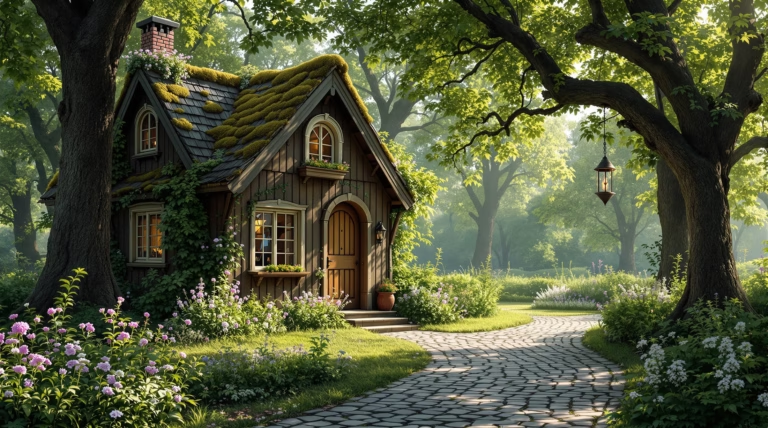
Moss gardens provide a serene, low-maintenance alternative to traditional lawns, particularly in shady, moist environments. These verdant carpets require minimal care once established, with no mowing or regular fertilizing needed.
- Cushion moss – ideal for drier areas
- Sheet moss – perfect for consistent moisture
- Rock cap moss – excellent for stone features
- Optimal soil pH: 5.0-5.5
- Companion plants: ferns, hostas, woodland wildflowers
Container Gardening Techniques
Container gardening offers exceptional flexibility for gardeners of all levels, enabling the creation of portable green spaces that adapt to changing seasons and spatial limitations. Success in container gardening depends on three fundamental elements:
- Proper drainage in containers
- High-quality potting mix selection
- Compatible plant groupings based on light and water needs
- Strategic plant arrangement using the thriller-filler-spiller approach
- Seasonal rotation planning
| Season | Recommended Plants | Special Considerations |
|---|---|---|
| Spring | Bulbs, cool-season edibles | Early blooming varieties |
| Summer | Heat-loving flowers, vegetables | Increased watering needs |
| Fall | Ornamental grasses, chrysanthemums, kale | Frost protection |
| Winter | Evergreen boughs, berries, hardy perennials | Cold protection measures |
Incorporating Eclectic Vintage Decor
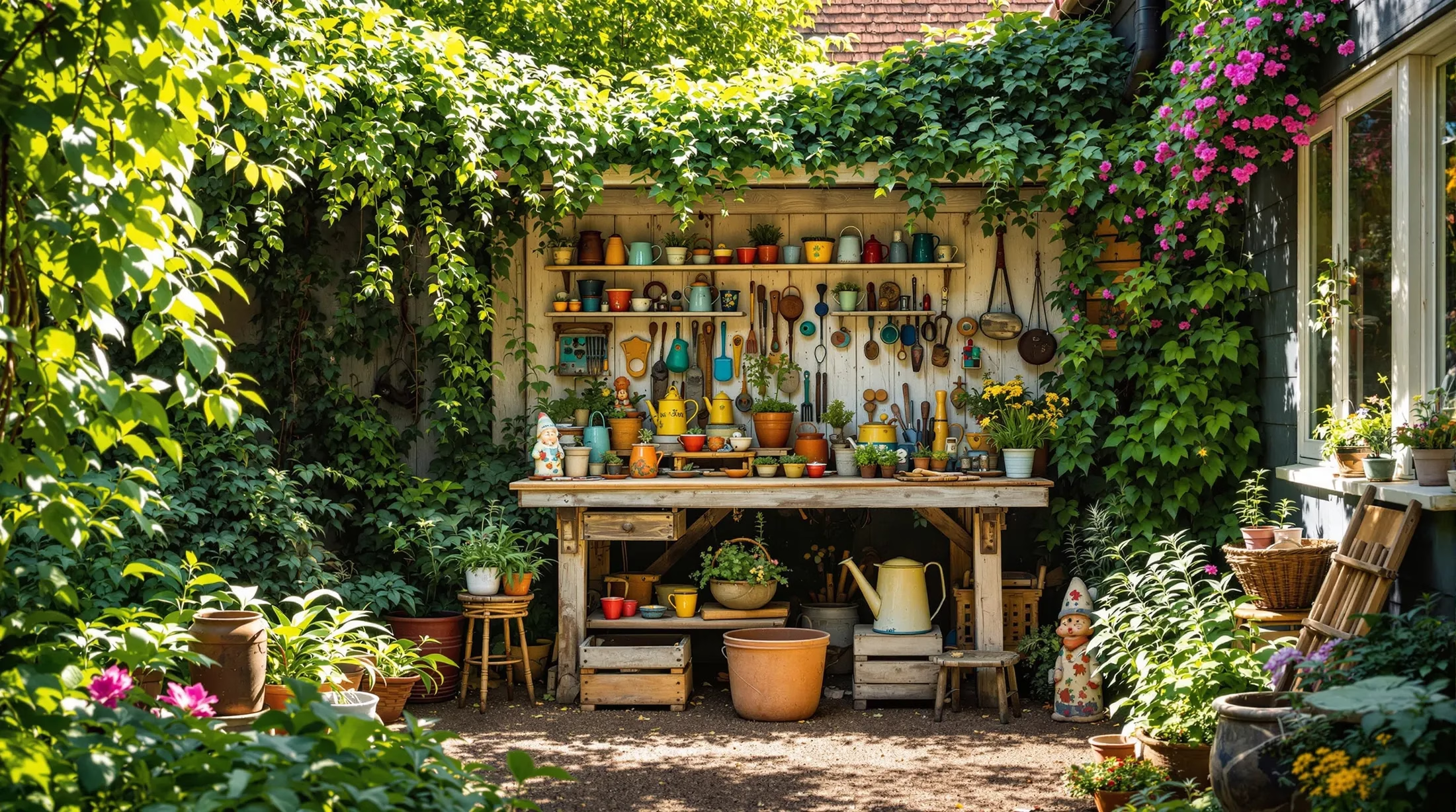
Vintage garden decor infuses spaces with unique character while promoting sustainability through creative reuse. The charm lies in finding pieces that tell stories and create distinctive focal points beyond mass-produced alternatives.
- Weathered tools as decorative elements
- Galvanized watering cans for planting
- Retired wheelbarrows as garden features
- Victorian bird cages transformed into planters
- Wooden ladders repurposed as vertical displays
- Vintage windows converted to cold frames
Success in vintage styling comes from creating themed vignettes rather than random placement. Consider establishing dedicated areas like a vintage potting corner or a relaxation zone centered around reclaimed furniture. Protection of materials is essential – apply protective finishes to wood and embrace natural patina on metal pieces. Unify diverse elements through complementary paint colors while maintaining their individual character and ensuring functionality in their new roles.
Sustainable and Seasonal Gardening Practices
Sustainable gardening creates resilient, productive spaces while supporting environmental health. These methods work harmoniously with nature, minimizing waste and maximizing biodiversity. Community platforms showcase growing trends in composting, soil management, and organic pest control, helping gardeners align their practices with natural cycles for optimal results.
Organic Methods for Year-Round Gardening
- Build living soil through composting and mulching
- Incorporate nitrogen-fixing plants
- Practice minimal tillage for fungal health
- Implement crop rotation
- Use companion planting strategies
- Apply organic pest management techniques
Water Conservation Techniques
Smart water management begins with appropriate plant selection and thoughtful garden design. Hydrozoning – grouping plants with similar water needs – prevents waste and ensures optimal plant health. Physical modifications like soil depressions and berms significantly improve water retention at root zones.
- Install drip irrigation systems for 90% reduced evaporation
- Implement rainwater harvesting solutions
- Apply strategic mulching for moisture retention
- Practice deep, infrequent watering
- Create water-efficient plant groupings
- Monitor soil moisture levels regularly
Landscape Design Inspiration
Landscape design transforms ordinary outdoor spaces into personalized retreats that reflect your aesthetic preferences and lifestyle needs. Online platforms like Pinterest provide abundant visual inspiration for:
- Comprehensive landscape design plans
- DIY greenhouse projects
- Seasonal garden decorations
- Plant combination ideas
- Hardscape integration techniques
When planning your garden landscape, consider these essential elements for optimal functionality:
- Seasonal usage patterns
- Natural movement flow through spaces
- Strategic focal point placement
- Maintenance requirements
- Local climate conditions
Using Native Plants for Ecological Benefits
| Benefit | Impact |
|---|---|
| Water Conservation | Reduced irrigation needs due to natural climate adaptation |
| Maintenance | Lower fertilizer requirements and pest resistance |
| Wildlife Support | Enhanced habitat for pollinators and local fauna |
| Soil Health | Improved erosion control and carbon sequestration |
Impact of Color and Garden Art
Color selection in landscape design influences spatial perception and emotional response:
- Warm colors (red, orange, yellow) – create energy and excitement
- Cool colors (blue, purple, soft green) – promote tranquility and depth
- Neutral tones – provide visual balance and transitions
- Complementary colors – establish dynamic focal points
- Monochromatic schemes – create sophisticated, cohesive spaces
Garden art integration requires careful consideration of scale, weathering properties, and seasonal appearance. Successful placement creates meaningful connections between artistic elements and natural surroundings, transforming your landscape into a personalized outdoor gallery that evolves with the seasons.