Little Cottage House: Charming Designs and Ideas for Your Dream Retreat
Discover the enchanting world of little cottage houses, where storybook charm meets practical living. These intimate dwellings offer a perfect retreat from the bustling modern world, combining architectural character with cozy spaces that inspire a simpler, more connected lifestyle.
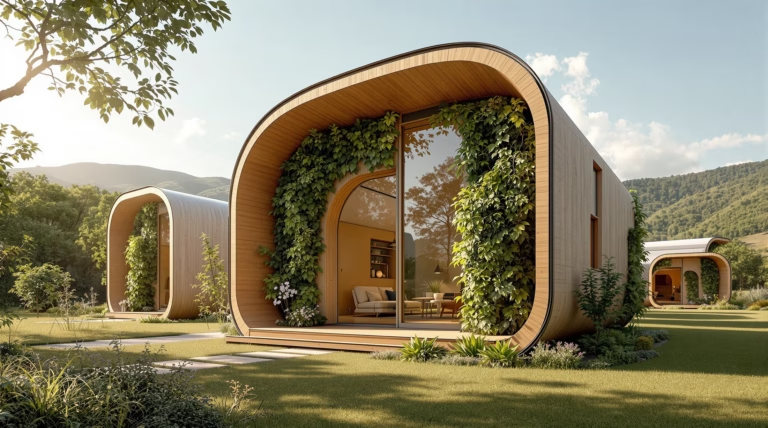
Little cottage houses capture our imagination with their storybook charm and intimate scale. These quaint dwellings blend architectural character with practical living spaces, creating sanctuaries that feel both timeless and personal. Modern little cottage houses demonstrate remarkable versatility, ranging from traditional English countryside designs to contemporary sustainable interpretations, making them ideal as primary residences, vacation homes, or backyard retreats.
The Allure of Little Cottage Houses
The enduring appeal of little cottage houses lies in their ability to create an immediate sense of warmth and welcome. These charming designs feature distinctive elements:
- Asymmetrical rooflines that add character
- Multi-paned windows filtering natural light
- Natural materials showcasing craftsmanship
- Built-in window seats and reading nooks
- Cozy kitchens serving as the heart of the home
Historical Significance and Modern Appeal
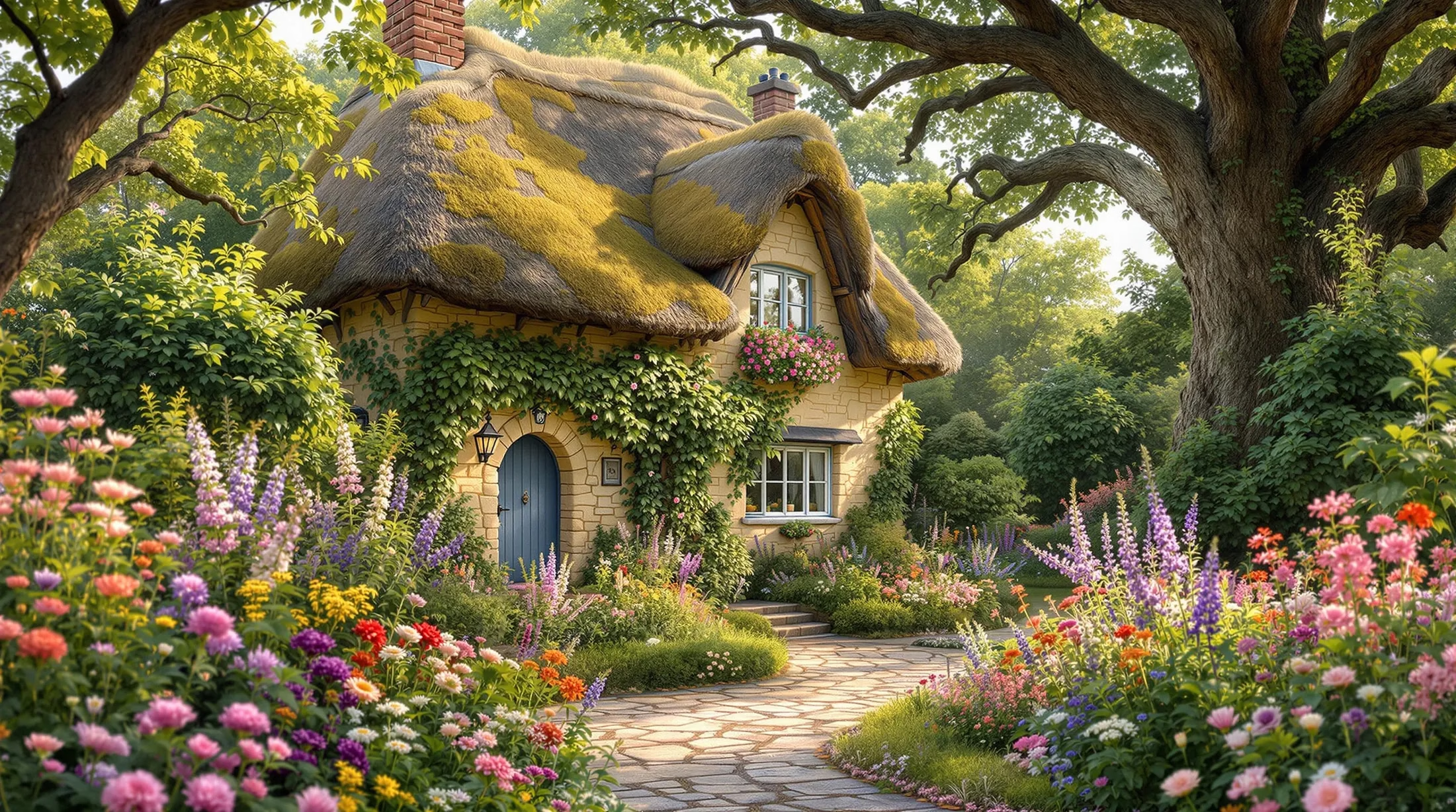
The cottage tradition has deep historical roots, particularly in English countryside architecture where these humble dwellings housed agricultural workers and craftspeople. Traditional English country cottages featured thatched roofs, thick stone or cob walls, and small, multi-paned windows—all practical solutions to climate challenges that inadvertently created the aesthetic we now cherish.
Design Elements of a Little Cottage House
The charm of a little cottage house emerges through its distinctive architectural features:
- Steeply pitched roofs creating dramatic silhouettes
- Decorative trim work adding visual interest
- Natural materials like stone, wood, or brick
- Divided-pane or diamond-pattern windows
- Dormer windows expanding interior space
- Covered porches connecting indoor and outdoor living
- Window boxes filled with seasonal blooms
Interior Design Ideas for Cozy Living
| Design Element | Characteristics |
|---|---|
| Materials | Wide-plank wooden floors, wainscoting, plaster walls |
| Colors | Warm creams, gentle blues, sage greens, muted terracottas |
| Furniture | Slipcovers in natural fabrics, vintage pieces, built-in storage |
| Lighting | Table lamps, wall sconces, chandeliers for ambient illumination |
Incorporating Garden Architecture
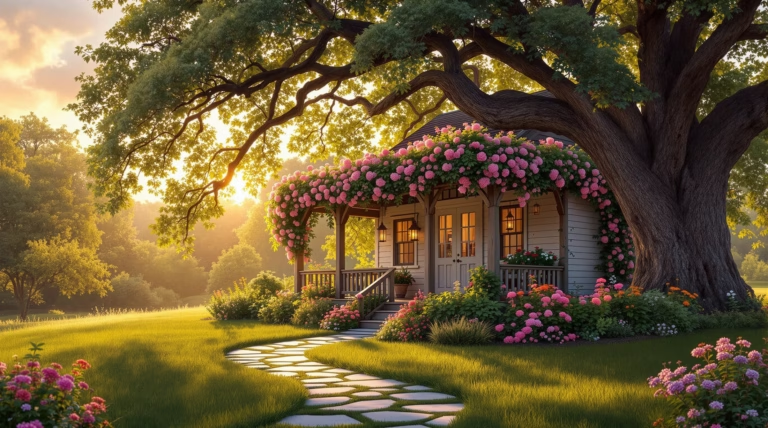
The cottage garden creates a seamless dialogue between indoor and outdoor spaces through thoughtful design elements:
- French doors and large windows framing garden views
- Meandering pathways with natural stone
- Arbors and trellises supporting climbing plants
- Kitchen gardens combining herbs and ornamental plantings
- Decorative elements like bird baths and fountains
- Strategic placement of garden benches and structures
Inspiration from Storybook and Fairytale Cottages
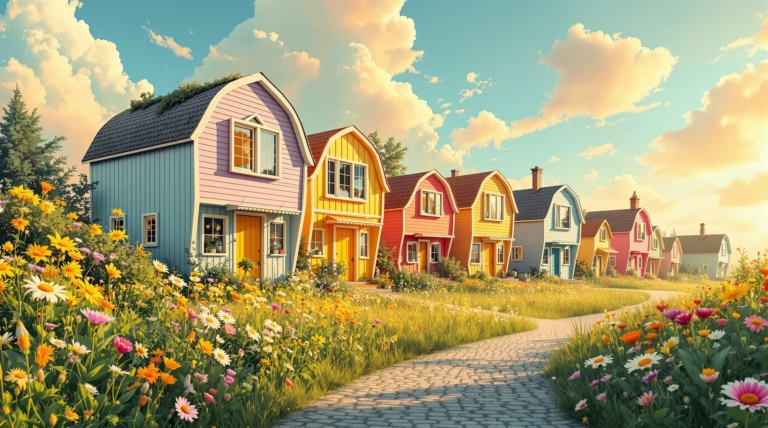
Storybook and fairytale cottages create enchanting worlds through distinctive architectural elements that challenge conventional design. These whimsical structures feature:
- Asymmetrical designs with undulating rooflines
- Dramatically steep roof pitches
- Curved doorways and miniature windows
- Hand-carved wooden embellishments
- Decorative ironwork and stained glass inserts
- Natural stone foundations that blend with the landscape
- Sculptural chimneys drawing the eye upward
Whimsical Design Concepts
The essence of storybook cottage design lies in its playful departure from conventional architecture. These spaces incorporate:
- Curved walls and irregular rooflines with multiple peaks
- Windows of varying sizes and shapes
- Unexpected nooks and built-in reading corners
- Dynamic ceiling heights creating intimate spaces
- Vibrant door colors and painted trim details
- Textured materials like river stones and hand-split shingles
- Forest-inspired motifs in railings and shutters
Creating a Magical Retreat
| Design Element | Magical Features |
|---|---|
| Transitional Spaces | Garden archways, meandering stone pathways, distinctive storybook doors |
| Interior Architecture | Spiral staircases, window seats, exposed beam ceilings |
| Lighting Design | Lantern fixtures, shadow-casting sconces, architectural spotlighting |
| Natural Elements | Crystal collections, driftwood sculptures, trailing plants |
| Furnishings | Curved furniture lines, folkloric textiles, curated vintage pieces |
Sustainability and Efficiency in Little Cottage Houses
Modern cottage houses excel in environmental responsibility through their compact footprint and thoughtful design. These dwellings incorporate renewable energy systems, superior insulation, and strategic orientation to maximize natural resources while minimizing environmental impact.
The efficiency extends to functional design, where every square foot serves multiple purposes. Modern cottages feature flexible spaces that transition between uses, built-in furnishings that maximize floor space, and outdoor living areas that expand the home’s functionality.
Eco-Friendly Building Materials
- Reclaimed wood from historic structures
- FSC-certified lumber from responsible sources
- Natural insulation – sheep’s wool, cellulose, or cork
- Sustainable exterior cladding – fiber cement or recycled metal
- Eco-conscious roofing – recycled metal, reclaimed slate, living green roofs
- Salvaged architectural elements – window surrounds and floorboards
- Non-toxic finishing materials and treatments
Maximizing Space and Functionality
The magic of cottage design lies in transforming modest spaces into generous living areas through intelligent layout solutions. Successful small cottage house plans incorporate multi-functional elements that maximize every square foot:
- Window seats with integrated storage compartments
- Dining tables that convert to workstations
- Staircases with built-in drawer systems
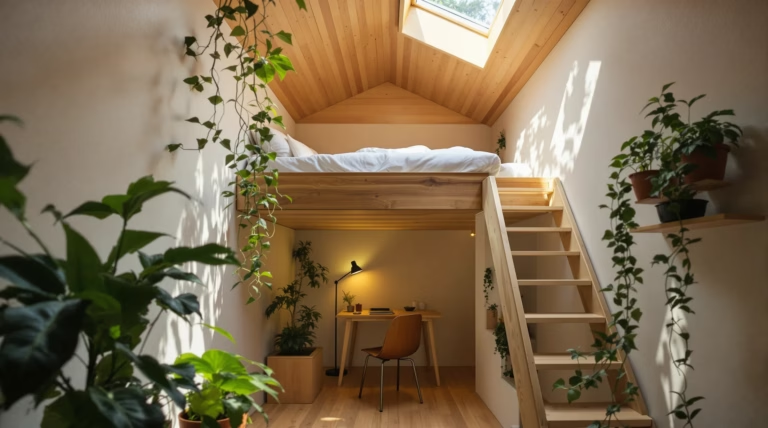
- Sleeping lofts utilizing pitched roof space
- Built-in furniture configurations
- Space-efficient kitchen layouts
- Rooms designed to eliminate wasted corners
| Infrastructure Element | Space-Saving Benefits |
|---|---|
| On-demand water heaters | Eliminates space needed for large tanks while reducing energy waste |
| Composting toilets | Provides plumbing alternatives for remote locations |
| Strategic windows | Maximizes natural light while reducing electricity needs |
| Solar panels | Powers essential systems in off-grid locations |
Conclusion: Crafting Your Dream Little Cottage House
Creating a dream cottage represents more than architectural planning—it embodies a lifestyle philosophy celebrating simplicity and natural connection. Whether inspired by whimsical storybook elements, sustainable practices, or traditional English country aesthetics, your cottage can reflect your unique vision while maintaining beloved cottage characteristics.
- Gather inspiration from diverse architectural sources
- Consider environmental integration and landscape positioning
- Balance romantic design with practical functionality
- Choose materials that develop character over time
- Work with cottage-experienced professionals
- Start with small projects that capture cottage essence
Remember that successful cottage design prioritizes quality over quantity, creating a sanctuary that provides genuine retreat from modern life’s complexities while supporting your lifestyle needs and nurturing your spirit.