Micro Home Plans: Innovative Designs for Small Living Spaces
Discover how micro home plans are revolutionizing modern living by offering smart, sustainable solutions for those seeking to maximize their living space while minimizing their environmental impact. From innovative storage solutions to multi-functional designs, these compact dwellings prove that less square footage doesn’t mean compromising on comfort or style.
Understanding Micro Home Plans
Micro home plans are specialized architectural designs that focus on creating functional living spaces within 100-400 square feet. These meticulously crafted blueprints maximize every inch while maintaining comfort and livability. Unlike traditional house plans, these designs require innovative approaches to storage, multi-functionality, and spatial organization.
The emphasis lies in thoughtful design rather than square footage. These plans include:
- Detailed specifications for built-in furniture
- Vertical storage solutions
- Multi-purpose areas that transform based on needs
- Sustainable building practices
- Environmentally conscious materials
What Defines a Micro Home?
A micro home is characterized by its limited square footage—typically under 400 square feet—and intentional design for permanent habitation. Unlike RVs or mobile tiny houses, these structures are generally built on permanent foundations, though some variations exist on skids for limited mobility.
| Design Element | Purpose |
|---|---|
| Higher ceilings | Creates illusion of spaciousness |
| Ample windows | Maximizes natural light and visual space |
| Open floor plans | Improves flow and functionality |
| Multi-functional elements | Eliminates wasted space |
The Rise of the Tiny House Movement
The Tiny House Movement emerged in the early 2000s as a response to increasing housing costs, environmental concerns, and the desire for simplified living. This architectural and social trend has influenced housing markets worldwide, promoting homes under 400 square feet.
The environmental impact is significant: while conventional homes produce approximately 28,000 pounds of CO2 annually, tiny houses generate only 2,000 pounds. The movement represents a fundamental shift in values, emphasizing experiences over possessions and intentional living over consumption.
Innovative Designs for Small Living Spaces
Modern micro architecture has revolutionized small-space living through three primary categories:
- Small House Plans (400-1,000 square feet)
- Tiny House Plans (under 400 square feet)
- Starter House Plans (designed for future expansion)
Maximizing Space Efficiency
Space efficiency in micro homes relies on strategic floor planning and innovative solutions:
- Built-in furniture systems with multiple purposes
- Murphy beds that transform into desks
- Staircases with integrated storage
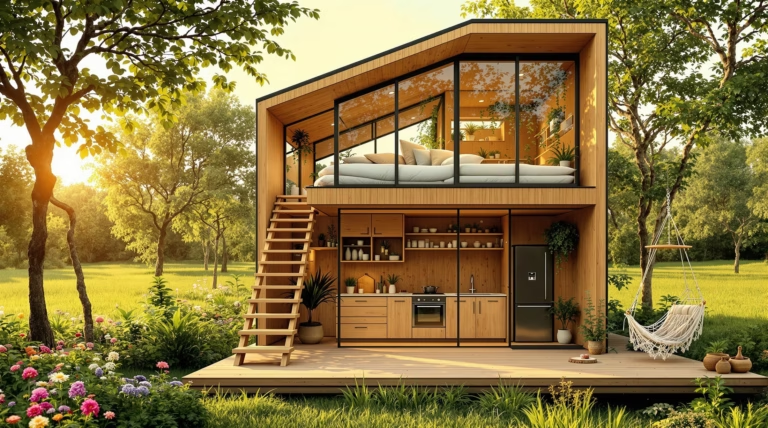
- Lofted sleeping areas
- Floor-to-ceiling storage walls
- Sliding partition walls
- Strategic window placement for natural light
Popular Styles: From Cabins to Modern Homes
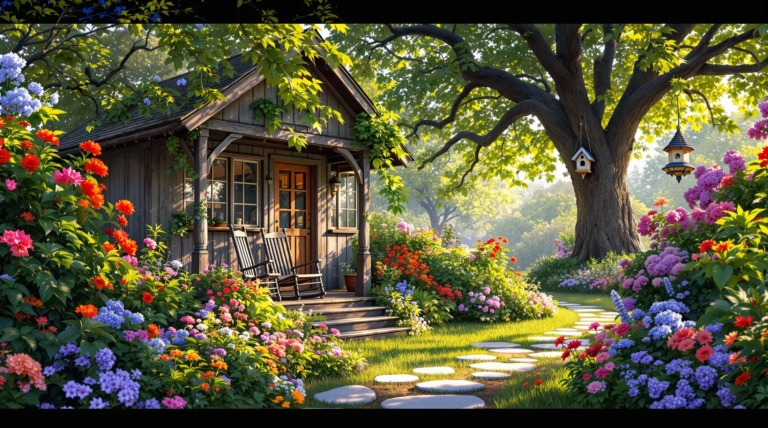
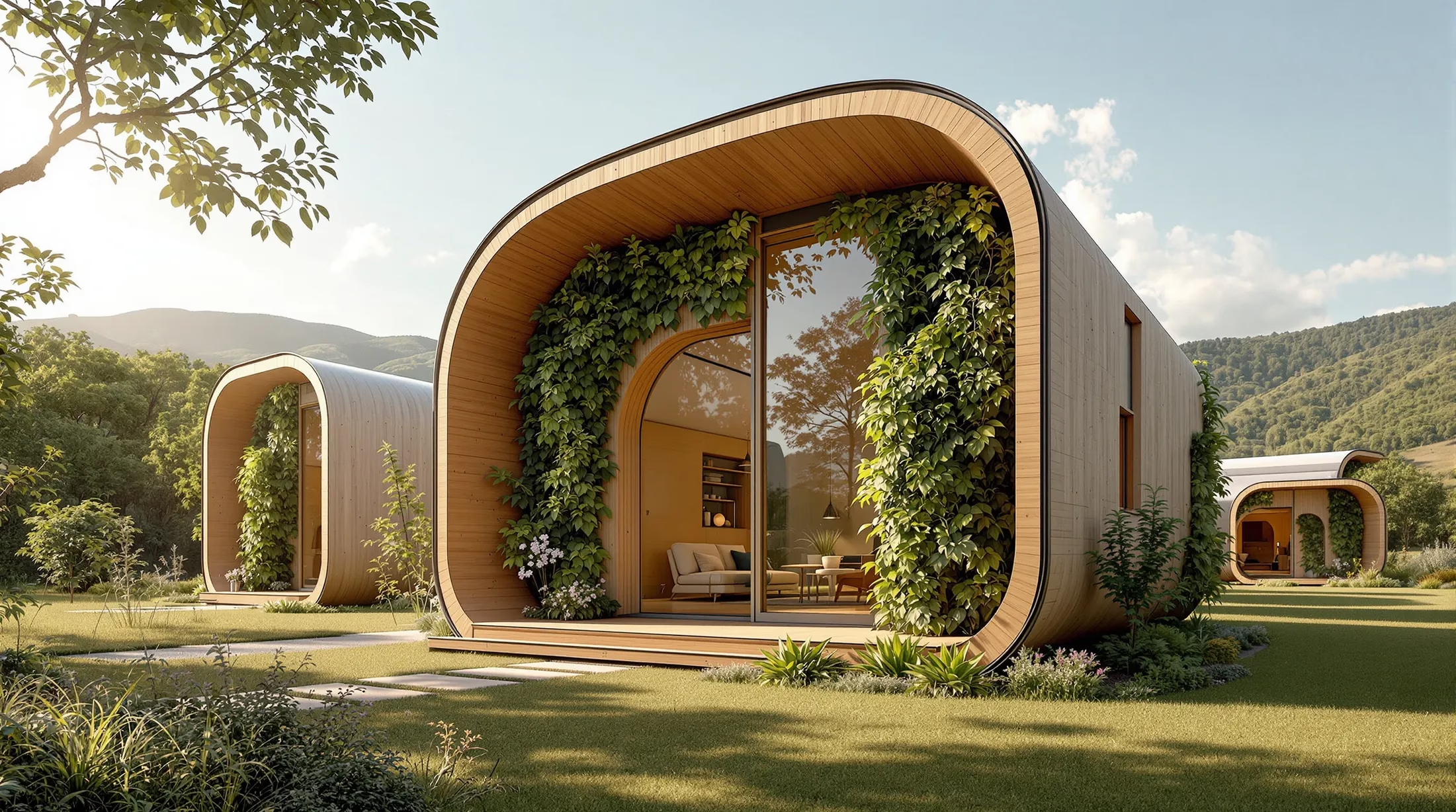
The aesthetic diversity in today’s tiny house designs showcases the movement’s evolution beyond functionality into distinctive architectural expressions. Rustic cabin-inspired designs feature exposed wood beams, natural materials, and pitched roofs that maximize interior height while maintaining classic charm. These designs often incorporate covered porches, effectively expanding living space during favorable weather.
- Modern tiny homes – clean lines, minimalist aesthetics, innovative materials
- Mid-century modern inspired – retro aesthetics with space-efficient planning
- Industrial-style micro homes – raw materials like corrugated metal and concrete
- Rustic cabin designs – natural materials, exposed beams, pitched roofs
- Contemporary designs – large windows, flat roofs, sleek built-ins
Building and Customizing Your Micro Home
The micro home building journey combines practical construction with personalized design elements to create a perfectly tailored living space. Whether collaborating with professionals or pursuing a DIY approach, understanding the construction process and customization options is crucial for success.
Unlike conventional homes requiring specialized contractors and heavy machinery, many micro homes can be built with standard tools and moderate construction skills. The plans include comprehensive tool lists, material specifications, and step-by-step instructions that enable direct owner participation, reducing labor costs while creating a deeper connection between homeowners and their living spaces.
Cost and Time Considerations
| Build Type | Cost Range | Timeline |
|---|---|---|
| DIY Build | $10,000 – $30,000 | 4-12 months |
| Professional Build | $30,000 – $60,000 | 2-6 months |
A strategic approach to financing is essential, with many builders creating phased investment plans rather than requiring the entire budget upfront. When planning your timeline, consider material delivery delays, weather constraints, and learning curves for new skills. Remember to factor in additional living expenses during construction if maintaining your current residence.
Customization Options and Materials
- Space modifications – open-concept areas, built-in furniture, expanded kitchens
- Sustainable materials – reclaimed wood, bamboo flooring, recycled metal roofing
- Exterior options – fiber cement siding, metal panels
- Multi-functional elements – convertible countertops, integrated storage walls
- Smart material choices – durability, weight considerations, aesthetic appeal
Sustainability and Eco-Friendly Living
Sustainability forms the foundation of micro home philosophy, representing more than just architectural innovation. These compact dwellings promote eco-friendly living through reduced material consumption, smaller carbon footprints, and lower energy requirements. Modern micro home plans incorporate green building techniques prioritizing renewable materials and energy efficiency.
Green House Plans have emerged as a specialized category, offering designs optimized for environmental performance. These incorporate passive solar principles, optimal insulation strategies, and spaces for renewable energy systems. The eco-friendly aspects extend to operational features like rainwater harvesting systems, composting toilets, and indoor growing spaces, providing both environmental benefits and reduced long-term costs.
Reducing Carbon Footprints with Micro Homes
Micro homes deliver remarkable environmental benefits through dramatic carbon emission reductions across their lifecycle. During construction, these compact structures require 85% fewer materials than traditional homes, resulting in significantly lower embodied carbon. In operation, micro homes generate just 2,000 pounds of CO2 annually, compared to 28,000 pounds from standard American homes—a 90% reduction in operational emissions.
- Limited storage space naturally reduces consumption patterns
- Smaller heating and cooling zones minimize energy usage
- Integrated composting systems support waste reduction
- On-site food production capabilities
- Renewable energy system integration
- Precise material specifications reduce construction waste
Community Support and Resources
The thriving tiny house movement has developed extensive support networks making sustainable micro home living increasingly accessible. Digital communities connect thousands of enthusiasts who share valuable insights on construction techniques, zoning strategies, and sustainable practices.
| Resource Type | Offerings |
|---|---|
| Online Communities | Construction tips, zoning advice, lifestyle guidance |
| Educational Platforms | DIY courses, professional training, sustainable materials selection |
| Tiny House Villages | Shared resources, collaborative environments, community expertise |
Choosing the Right Location for Your Micro Home
Location selection fundamentally shapes your micro home experience. While these dwellings require less space than conventional houses, a minimum of 1,000 square feet is necessary for comfortable placement, with 2,000 square feet being optimal. This allocation accommodates the structure while ensuring adequate space for outdoor areas and access points.
Top States for Tiny House Living
- California – Progressive legislation in cities like Fresno
- Oregon – Friendly zoning in Portland and Eugene
- Colorado – Supportive regulations in Park County and Walsenburg
- Texas – Established communities like Village Farm in Austin
- Washington – Embracing micro homes in Olympia and Seattle
- Arizona – Relaxed zoning in Pima County
- Maine – Multiple tiny house communities across the state
Understanding regulatory requirements is crucial for successful micro home placement. The 2018 International Residential Code (IRC) includes Appendix Q, specifically addressing homes under 400 square feet, though local adoption varies. Zoning regulations often present the primary challenge, with many areas maintaining minimum square footage requirements exceeding typical micro home dimensions.
- Research local building codes and zoning ordinances thoroughly
- Consider ADU classification where permitted
- Evaluate foundation vs. wheels based on local regulations
- Explore unincorporated areas with fewer restrictions
- Engage with planning officials early in the process
- Document alignment with community development goals