Saltbox Cabin: Design Ideas and Building Plans
Discover the timeless appeal of saltbox cabins, an architectural marvel that combines historical significance with practical design. These distinctive structures, with their asymmetrical profiles and sloping rooflines, offer modern homeowners a unique opportunity to embrace America’s architectural heritage while enjoying functional, contemporary living spaces.
Understanding the Saltbox Cabin Style
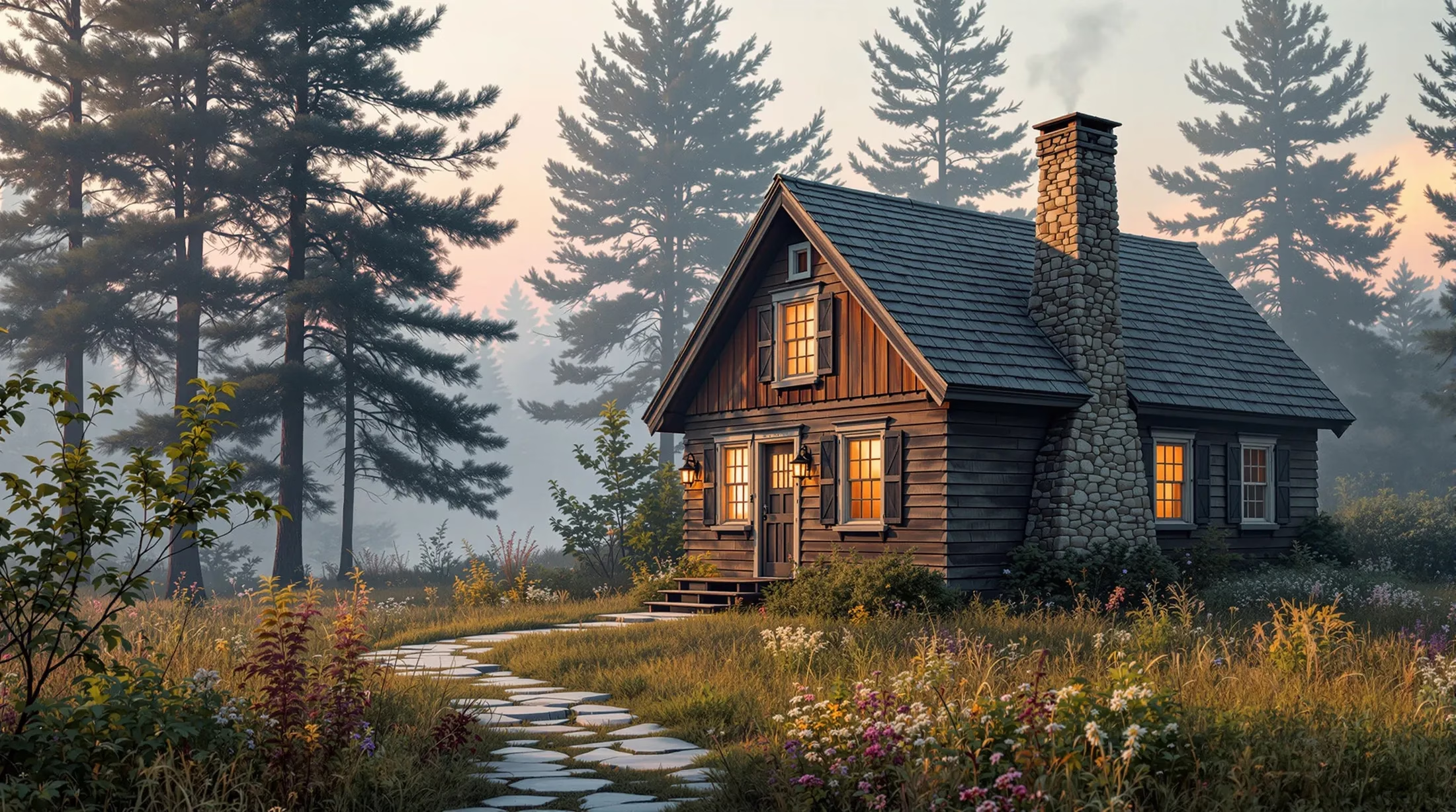
Saltbox cabins represent one of America’s most distinctive architectural styles, characterized by their unique asymmetrical profile that has stood the test of time. Originating in the harsh climate of New England, these structures blend practicality with rustic charm, making them increasingly popular among modern homeowners seeking a connection to America’s architectural heritage.
The iconic long, pitched roof that slopes dramatically to the rear creates a silhouette reminiscent of colonial wooden salt containers—hence the name ‘saltbox.’ This design wasn’t merely aesthetic; it evolved as a practical response to colonial tax laws and the need for additional living space while protecting against severe northeastern winters.
Historical Origins of the Saltbox Cabin
The saltbox cabin design emerged in 1600s colonial New England as an ingenious response to both practical challenges and tax regulations. During this period, British colonists developed this distinctive form to combat harsh winters while cleverly circumventing taxes on two-story homes.
- Originally housed kitchens and work areas separate from living quarters
- Spread throughout Massachusetts, Connecticut, and Rhode Island
- Demonstrated exceptional durability against snow loads and strong winds
- Became a symbol of early American architectural ingenuity
- Evolved in response to both environmental demands and social conditions
Key Features of Saltbox Cabins
| Feature | Description |
|---|---|
| Roofline | Asymmetrical, long-pitched slope extending from two-story front to single-story rear |
| Central Chimney | Provides heat distribution and anchors floor plan |
| Windows | Small, multi-paned, arranged in balanced patterns |
| Interior Elements | Exposed beam ceilings, wide-plank wooden floors, built-in storage |
| Exterior Design | Minimal ornamentation, rectangular footprint, proportional symmetry |
Design Ideas for Saltbox Cabins
Contemporary saltbox cabin designs masterfully blend traditional elements with modern sensibilities. While preserving the iconic silhouette, today’s designs incorporate larger windows, open floor plans, and sustainable materials that honor the style’s practical roots. The versatility allows for adaptations from compact weekend retreats to spacious family homes.
Interior Layout and Functionality
Modern saltbox cabin interiors create naturally divided living zones, with the taller two-story front section housing main living areas and bedrooms, while the single-story rear portion accommodates flexible spaces. These unique proportions enable creative floor plans that maintain intuitive flow between rooms.
- Sloped ceilings with exposed beams and distinctive lighting
- Built-in storage solutions including window seats and staircase drawers
- Multi-functional spaces for modern living needs
- Natural wood finishes and wide-plank flooring
- Reading nooks that convert to guest accommodations
- Lofted areas serving multiple purposes
Exterior Design and Aesthetic Options
The asymmetrical roofline defines the saltbox form, yet numerous exterior design variations allow for personalization while maintaining architectural integrity. Traditional cladding options include wooden clapboards, cedar shingles, and board-and-batten siding, each bringing unique textural qualities while honoring historical precedents.
- Heritage-inspired color palettes featuring deep reds, navy blues, and forest greens
- Modern monochromatic schemes with contrasting trim
- Wraparound porches extending living space outdoors
- Strategic dormers for additional upper floor lighting
- Contemporary window configurations maximizing views and natural light
- Sustainable material options like fiber-cement siding and composite shingles
Building Plans for Saltbox Cabins
Professional saltbox cabin plans incorporate detailed technical specifications essential for proper construction. These comprehensive documents include post layouts, loft configurations, rafter designs, and both longitudinal and transverse sections illustrating the structure’s distinctive profile.
| Plan Component | Details Included |
|---|---|
| Foundation Requirements | Specifications for concrete, piers, or foundation walls |
| Timber Dimensions | Precise measurements for structural elements |
| Roof Calculations | Pitch specifications and load requirements |
| Size Options | Ranging from 8×14 weekend retreats to 24×36 family cabins |
Materials and Construction Techniques
Traditional saltbox construction relies on robust timber framing techniques, utilizing 8×8 rough-sawn hemlock for mortise and tenon wall framing. The foundation begins with pressure-treated sill plates, while angle braces provide essential structural reinforcement at key junctions.
- Hemlock roof framing for strength and dimensional stability
- Engineered lumber for modern floor systems
- Specialized waterproofing membranes beneath roofing
- Advanced insulation systems between structural members
- Traditional timber frame construction methods
Pre-Cut Kits and Customization Options
Pre-cut saltbox cabin kits offer an efficient middle ground between scratch-built construction and move-in ready options. These kits feature precisely cut components labeled for easy identification, accompanied by detailed assembly instructions suitable for DIY builders with moderate experience.
- Additional windows for enhanced natural lighting
- Alternative interior layouts for specific needs
- Upgraded insulation packages for extreme climates
- Modified roof pitches for local conditions
- Consultation services for regional building codes
- Site-specific foundation adaptations
Practical Considerations for Saltbox Cabins
The iconic asymmetrical design of saltbox cabins combines visual distinction with practical advantages that have endured for centuries. The sloped roof efficiently manages precipitation, while the traditional orientation places the shorter wall facing prevailing winter winds, creating natural weather resistance particularly suited for variable climate zones.
Modern saltbox designs maintain these practical benefits while incorporating contemporary building standards. When planning construction, foundation specifications require careful consideration based on specific site conditions, whether utilizing concrete slabs, piers, or foundation walls.
Climate Adaptation and Insulation
The sloped roof design of saltbox cabins originated as a practical response to New England’s harsh winters, offering natural weather resistance. Modern builders can enhance this inherent protection through advanced insulation techniques. The asymmetrical roof creates varied interior ceiling heights, demanding specialized insulation approaches, particularly in sloped sections. Spray foam insulation proves exceptionally effective for these irregular spaces, perfectly conforming to the angular design while delivering superior R-values.
- Triple-pane windows on northern exposures minimize winter heat loss
- Larger south-facing windows maximize passive solar gain
- Central chimney design provides efficient heat distribution
- Modern wood stoves or masonry heaters offer efficient zone heating
- Strategic window placement optimizes climate control
Cost and Budgeting for Saltbox Cabins
| Budget Component | Considerations |
|---|---|
| Building Plans | $197 with 30-day money-back guarantee |
| Roof Construction | 15-20% higher labor costs than conventional designs |
| Contingency Fund | 10-15% of total budget for unexpected expenses |
Material selection significantly impacts overall costs, with traditional elements like rough-hewn timber framing and wood siding commanding premium prices. Many builders adopt a balanced approach – investing in visible architectural elements while economizing on less prominent components. Foundation costs vary by type, with pier foundations being most economical, followed by concrete slabs, and full foundation walls representing the highest investment.