Simple Cottage House Design: Charming and Functional Ideas
Discover the timeless allure of cottage house design, where charm meets functionality in perfect harmony. Whether you’re dreaming of a cozy weekend retreat or planning your forever home, these architectural gems offer an inspiring blend of traditional craftsmanship and modern comfort.
Understanding Simple Cottage House Design
Simple cottage house design embodies the quintessential charm and practicality that has made these dwellings beloved for centuries. Originating from England, cottage homes traditionally represent smaller residences that masterfully balance aesthetic appeal with functional living spaces. These designs typically feature living areas on the main floor with bedrooms nestled upstairs, often tucked cozily under the eaves, creating that characteristic cottage silhouette.
Modern interpretations of cottage design maintain this functionality while incorporating contemporary elements that enhance livability. Despite their modest footprint, these homes maximize available space through thoughtful layouts and multi-purpose areas. The enduring popularity of cottage designs speaks to their versatility—suitable for weekend retreats, retirement homes, or primary residences for those seeking a simpler, more intentional lifestyle surrounded by charm and character.
Characteristics of Cottage Style Homes
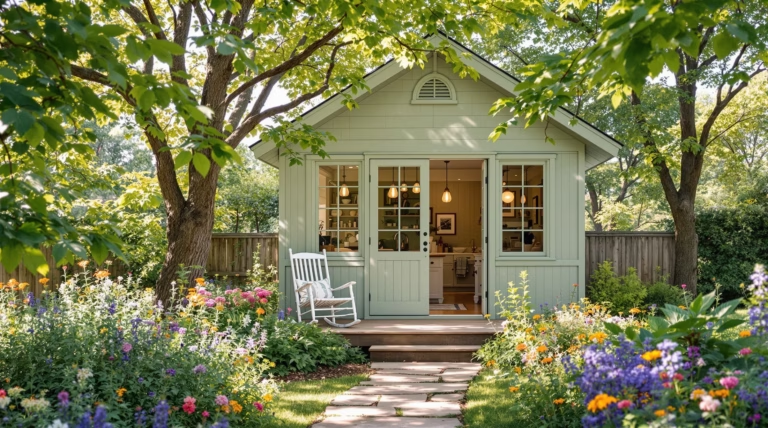
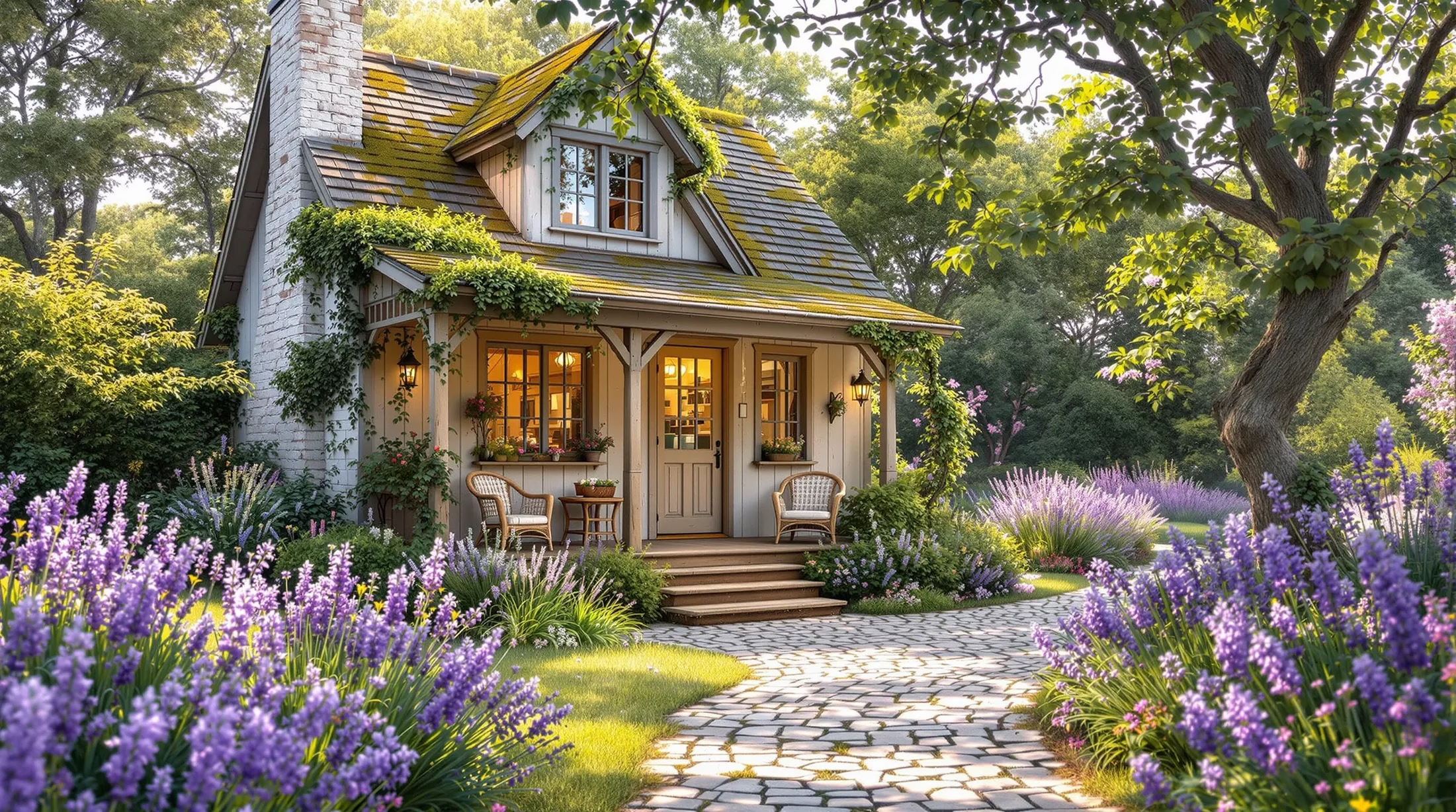
Cottage style homes are instantly recognizable for their storybook appeal and distinctive architectural elements. These charming residences typically feature playful, whimsical exteriors adorned with elaborate gingerbread trim, window boxes overflowing with flowers, and arched doorways that seem plucked from a fairy tale.
- Asymmetrical shapes and varied roof lines
- Mismatched windows creating organic appearance
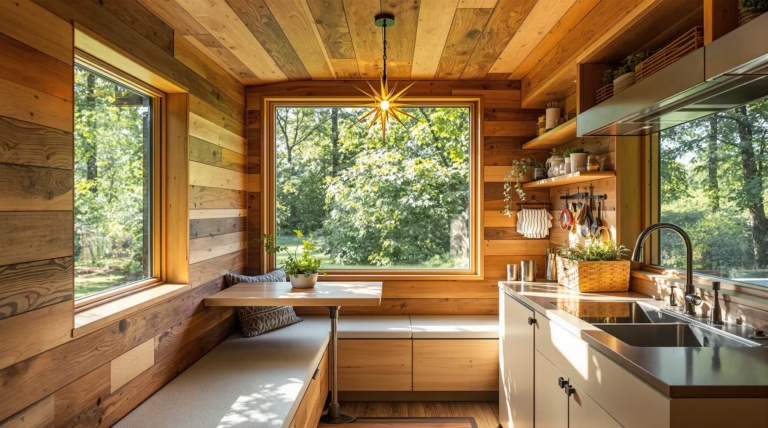
- Exposed wooden beams and built-in nooks
- Window seats and cozy fireplaces
- Natural and weathered materials
- Whitewashed wood and stone hearths
- Vintage-inspired fixtures
The Appeal of Simple Cottage House Design
The enduring appeal of simple cottage house design lies in its perfect balance of charm and practicality. These homes offer a refreshing alternative to oversized residences, prioritizing quality craftsmanship and thoughtful details over sheer square footage. Cottage designs speak to our collective desire for authenticity and connection—spaces that feel human-scaled, welcoming, and unpretentious.
Exploring Small Cottage House Plans
Small cottage house plans have experienced a resurgence in popularity as homeowners increasingly seek living solutions that emphasize quality over quantity. These compact designs typically range from 400 to 1,200 square feet, offering the perfect balance between cozy comfort and practical functionality.
| Feature | Benefit |
|---|---|
| Open-concept main living areas | Creates sense of spaciousness |
| Dual-purpose spaces | Maximizes functionality |
| Built-in storage solutions | Eliminates wasted space |
| Efficient layout | Reduces construction costs |
Maximizing Space in Small Cottages
The art of maximizing space in small cottages relies on strategic design choices that make every square foot count. Multi-functional furniture serves as the cornerstone of efficient small cottage living, while clever architectural features enhance spatial efficiency.
- Storage ottomans and Murphy beds
- Expandable dining tables
- Vertical storage solutions
- Built-in bookcases
- Overhead cabinets
- Wall-mounted organizers
- Pocket doors
- Strategically placed windows and skylights
Popular Layouts for Small Cottages
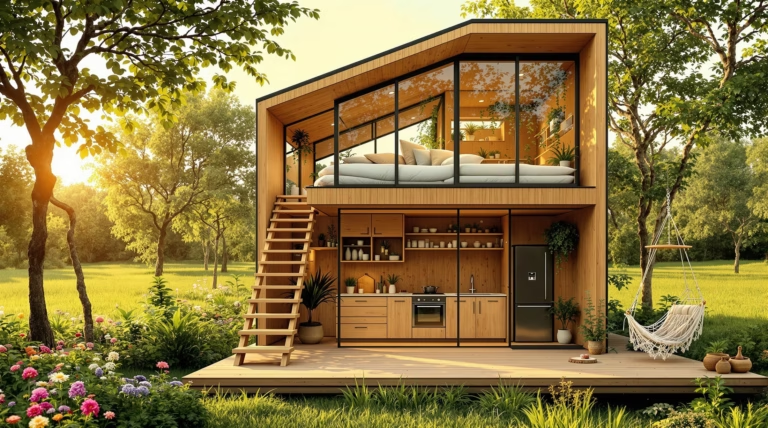
Several layout configurations have proven particularly successful for small cottage house plans. The classic one-story cottage layout features an efficient open-concept living, dining, and kitchen area with bedrooms tucked into corners for privacy. For those requiring additional space, cottage plans with lofts leverage vertical dimensions by positioning sleeping quarters or bonus rooms under sloped rooflines.
Incorporating Modern Elements in Cottage Design
The evolution of cottage design has entered an exciting new phase, seamlessly blending traditional charm with contemporary convenience. Modern cottage-style homes maintain their cozy character while incorporating sleek elements that enhance both functionality and aesthetic appeal. This thoughtful fusion creates spaces that feel both timeless and current, preserving architectural heritage while embracing modern innovations.
- Open floor plans that maintain intimate scale
- Clean lines complementing classic cottage elements
- Natural materials providing warmth and texture
- Minimalist fixtures adding contemporary elegance
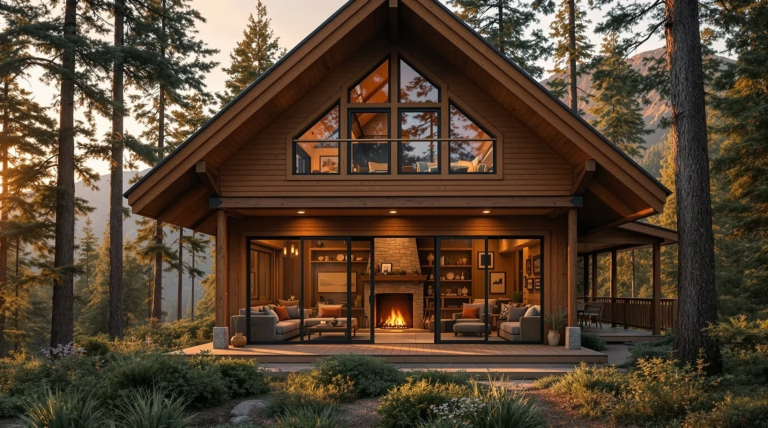
- Strategic use of glass for natural light
- Smart integration of technology
Blending Traditional and Modern Styles
The art of combining traditional cottage elements with modern design requires careful consideration and balance. Designers typically begin with classic cottage features—pitched roofs, asymmetrical facades, and scaled proportions—then introduce contemporary interpretations. Traditional dormers receive updates through cleaner lines and larger glass panels, while classic board-and-batten siding incorporates modern, durable materials.
| Traditional Element | Modern Interpretation |
|---|---|
| Exposed wooden beams | Sleek pendant lighting |
| Vintage-inspired fixtures | Smart home technology |
| Warm neutral colors | Bold contemporary accents |
| Classic dormers | Large glass panels |
Innovative Features in Modern Cottages
Modern cottage designs incorporate cutting-edge features that enhance functionality while preserving charm. Energy-efficient windows with sleek mullion profiles maintain the characteristic divided-light appearance while improving performance. Traditional conservatories have evolved into sophisticated four-season sunrooms with advanced climate control systems.
- Hidden storage solutions integrated into walls and stairs
- Smart home technology for lighting and security
- High-efficiency heating systems
- Permeable materials for sustainable landscaping
- Space-saving innovations for compact footprints
- Advanced climate control systems
Sustainable and Functional Cottage Designs
Sustainable cottage design represents a significant evolution in residential architecture, combining eco-conscious principles with efficient living spaces. These thoughtfully designed dwellings optimize available space while minimizing environmental impact through innovative materials and energy-saving features.
Eco-Friendly Building Materials
The foundation of sustainable cottage design lies in carefully selected materials that reduce environmental impact while enhancing character. Reclaimed wood brings authentic weathered texture to structural elements, while locally sourced stone and brick create strong connections to the surrounding landscape.
- Structural insulated panels (SIPs) for superior insulation
- Non-toxic paints and stains with zero VOCs
- Natural insulation alternatives (wool, cellulose, recycled denim)
- Cork and bamboo flooring options
- Salvaged brick for authentic character
- Sustainable wood products for cabinetry
Energy Efficiency in Cottage Homes
Energy efficiency forms the cornerstone of sustainable cottage design, with thoughtful architectural choices that minimize resource consumption while maximizing comfort. The compact footprint inherent to cottage homes provides natural efficiency advantages through reduced heating and cooling needs, fewer construction materials, and simplified maintenance. Strategic window placement captures winter sunlight while roof overhangs provide summer shade, incorporating passive solar principles that reduce heating requirements naturally.
- High-performance windows with climate-appropriate glazing
- Energy-efficient appliances and LED lighting systems
- Low-flow water fixtures and rainwater harvesting
- Drought-resistant landscaping solutions
- Roof-mounted solar panels integration
- Small-scale wind turbine options
Customizing Your Cottage House Plan
Cottage house plans offer remarkable versatility while maintaining their quintessential charm. These dwellings, with English heritage, have evolved into adaptable living spaces that accommodate modern needs without sacrificing their cozy character. The customization potential extends from fundamental layouts to decorative elements, allowing homeowners to create spaces that reflect their lifestyle while preserving the intimate atmosphere of cottage living.
Personalizing Interior Spaces
| Space | Customization Options |
|---|---|
| Living Area | Open-concept design, built-in seating, kitchen islands |
| Kitchen | Expanded counter space, breakfast nooks, social connectivity |
| Bathroom | Luxurious master baths, walk-in closets, modern fixtures |
| Storage | Built-in solutions, display areas, hidden compartments |
Outdoor Features and Additions
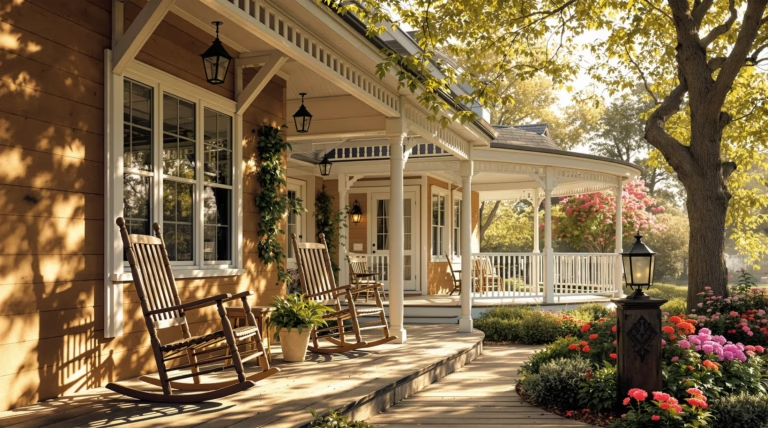
- Covered front porches (minimum 96 square feet)
- Wraparound porches for extended seasonal enjoyment
- Screened porches for weather-protected outdoor living
- Integrated garden spaces and patios
- Flexible carport placement options
- Seamless indoor-outdoor connections
These outdoor elements create a harmonious transition between interior and exterior spaces, effectively expanding the living area while maintaining the cottage’s architectural integrity. The most successful designs ensure these features function year-round, enhancing both the home’s utility and its connection to the surrounding environment.