Simple Slope House Design: Creative Ideas and Inspiration
Discover how simple slope house designs transform challenging terrains into architectural masterpieces that blend seamlessly with nature. This comprehensive guide explores innovative approaches to hillside construction, material selection, and design strategies that maximize both functionality and aesthetic appeal.
Understanding Simple Slope House Design
Simple slope house design represents an architectural approach that harmonizes with challenging topography rather than fighting against it. These designs embrace the natural contours of sloped terrain, creating homes that are both aesthetically pleasing and functionally practical. Unlike conventional flat-lot construction, slope house architecture requires specialized planning to address the unique challenges and opportunities presented by inclined landscapes.
Modern slope house designs typically feature multi-level layouts that step down or up with the terrain’s natural flow. This terraced approach not only minimizes the need for extensive excavation but also creates distinct living zones within the home. By working with the land rather than against it, simple slope house designs can achieve a seamless integration with their surroundings while maximizing views and natural light penetration.
Key Features of Simple Slope House Design
The most distinctive element of a simple slope house is often its single sloped roof, which creates a dynamic visual profile while serving practical purposes. These angled roofs provide efficient water drainage, directing rainfall away from the foundation—a crucial consideration for homes built on hillsides. The pitch of these roofs can be customized to complement the slope of the terrain, creating a harmonious visual connection between the structure and its environment.
- Open floor plans with strategic window placement
- Multi-level interiors with split-level designs
- Exposed structural elements like beams and columns
- Efficient storage solutions and built-ins
- Staircases as architectural focal points
Benefits of Building on Sloped Terrain
- Enhanced privacy and dramatic panoramic views
- Improved air circulation and reduced noise pollution
- Lower purchase price compared to flat lots
- Opportunities for drive-under garages and walkout basements
- Better natural drainage capabilities
- Maximum usable square footage without increasing footprint
Materials and Construction Techniques for Slope Houses
Building a home on a slope requires careful consideration of materials that can withstand the unique stresses and environmental factors associated with hillside construction. The materials selected must balance structural integrity, durability against the elements, and aesthetic integration with the natural landscape.
| Material | Benefits | Applications |
|---|---|---|
| Reinforced Concrete | Structural stability, durability | Foundations, retaining walls |
| Steel Framing | Weight distribution, strength | Structural support, framework |
| Wood (Cedar, Redwood) | Natural aesthetic, moisture resistance | Exterior cladding, interior finishes |
| Metal Cladding | Low maintenance, durability | Exterior finishing, weather protection |
Construction Techniques for Sloped Sites
The foundation approach for slope houses typically follows one of three methodologies:
- Step foundations – create series of flat platforms following terrain contours
- Pole foundations – elevate the structure above the slope
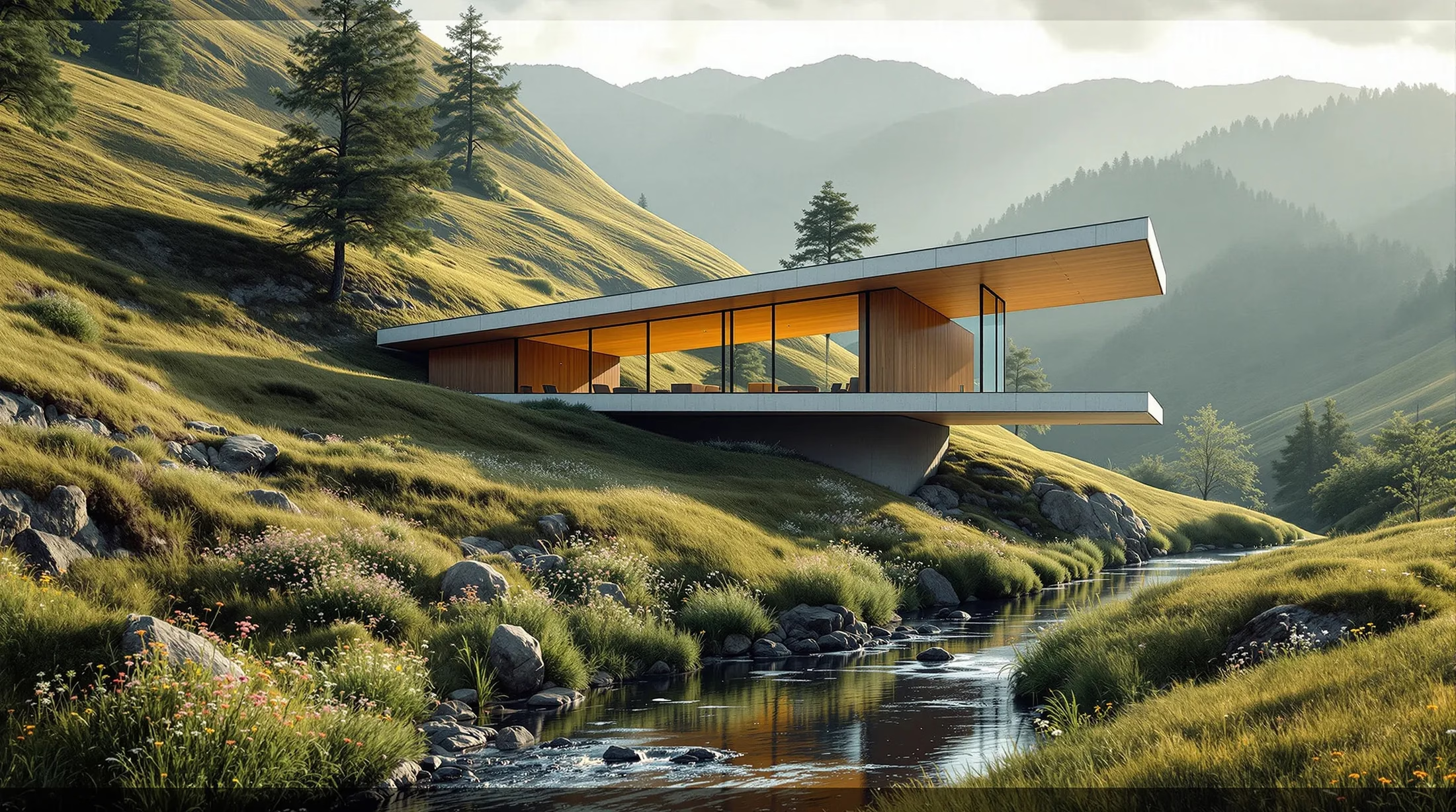
- Cantilever designs – project portions of the home outward from the hillside
Modern construction techniques incorporate advanced features like geogrid reinforcement, French drains, sump systems, and helical piers to ensure structural stability and proper drainage. These elements work together to create homes that are both secure and harmoniously integrated with their sloped environments.
Designing for Energy Efficiency in Slope Houses
Energy efficiency in slope house design offers unique advantages unavailable in traditional flat-terrain construction. The strategic integration with natural topography allows designers to harness the earth’s insulating properties and optimize passive energy systems. Through angled positioning, these homes maximize solar gain during winter while minimizing heat absorption in summer, creating naturally comfortable living spaces with reduced reliance on mechanical systems.
The multi-level configuration creates distinct thermal zones that can be managed independently for optimal energy performance. Natural stratification enables warm air to rise through the home in winter, providing passive heating to upper levels, while facilitating cooling air patterns in summer. Combined with strategic material selection, these inherent advantages result in significantly reduced energy consumption and long-term cost savings.
Incorporating Large Windows for Natural Light
- South-facing windows capture maximum winter sunlight while properly sized overhangs prevent summer overheating
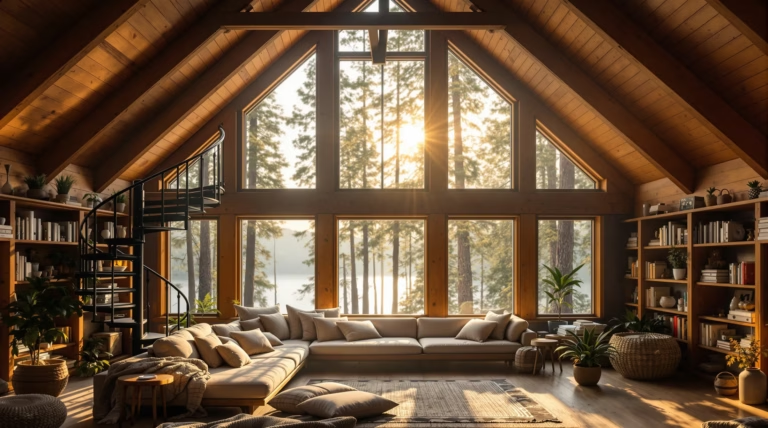
- Floor-to-ceiling windows allow deep light penetration into interior spaces
- Multi-level window placement creates dynamic lighting effects throughout the day
- High-performance glazing minimizes heat loss/gain while maintaining optimal light transmission
- Strategic window positioning reduces dependence on artificial lighting
Sustainable Practices in Slope House Design
| Feature | Benefit |
|---|---|
| Minimal site disruption | Preserves natural landscape and reduces erosion |
| Earth’s thermal mass | Natural temperature regulation |
| Continuous exterior insulation | Eliminates thermal bridging |
| Rainwater harvesting | Reduces water consumption |
| Green roofs | Additional insulation and wildlife habitat |
Landscaping and Integration with the Environment
Landscaping serves as a crucial element in slope house design, transforming challenging topography into seamless living spaces. These designs create multi-level outdoor areas that naturally flow with the terrain’s contours, while strategic plantings serve both aesthetic and functional purposes – controlling erosion, managing water runoff, and providing natural insulation.
Successful slope house designs minimize landscape intervention, creating structures that appear to emerge organically from the hillside. Floor-to-ceiling glazing and linear skylights blur the boundaries between indoor and outdoor spaces, fostering a harmonious relationship between architecture and landscape that enhances both visual impact and environmental sustainability.
Enhancing Visual Appeal with Landscaping
- Strategic terracing creates usable outdoor spaces across different elevations
- Native plant selections reduce maintenance and prevent soil erosion
- Stone retaining walls and curved pathways guide visual flow through the property
- Integrated water features utilize natural gravity for dynamic effects
- Unified material selection strengthens connection between structure and landscape
Integrating Slope Houses into the Natural Landscape
True integration with the natural landscape transcends basic aesthetics, embracing harmonious coexistence between built and natural environments. Leading architects begin each slope house project by analyzing the site’s natural characteristics – sun patterns, wind directions, vegetation, and wildlife pathways – developing designs that enhance rather than disrupt these elements. This thoughtful approach often results in structures that seamlessly blend into their surroundings from various vantage points.
- Green roofs replace displaced vegetation with new planted areas
- Living roof systems provide natural insulation
- Integrated stormwater management systems
- Creation of wildlife habitats
- Transparent indoor-outdoor connections through retractable glass walls
- Strategic window placement for natural vista framing
Future Expansion and Modification of Slope Houses
Slope house design requires careful consideration of future expansion possibilities from the initial planning phase. Unlike traditional flat-terrain homes, these structures present unique opportunities and challenges for modification. Modern architectural approaches incorporate structural elements that accommodate both vertical and horizontal extensions while maintaining the building’s integrity and terrain harmony. Forward-thinking designs include designated expansion zones where additional spaces can be integrated with minimal disruption.
Design Flexibility for Future Needs
| Design Element | Adaptability Feature |
|---|---|
| Interior Layout | Non-load-bearing walls for easy reconfiguration |
| Infrastructure | Strategic plumbing and electrical conduits for future additions |
| Universal Design | Wider doorways and zero-threshold entries |
| Mechanical Systems | Expandable HVAC and electrical capacity |
| Multi-level Planning | Potential for independent living quarters |
Considerations for Expanding Slope Houses
- Comprehensive geotechnical assessment requirements
- Evaluation of soil conditions and groundwater behavior
- Analysis of erosion potential
- Integration of additional foundation systems
- Prevention of differential settlement
- Load-bearing capacity analysis for vertical expansions
- Visual cohesion between existing and new elements
- Compliance with hillside development regulations