Simple Small Modern House: Stylish Designs for Minimalist Living
Discover how modern small houses are revolutionizing residential architecture by combining style, functionality, and sustainable living. These innovative designs prove that limited space doesn’t mean compromising on comfort or aesthetic appeal.
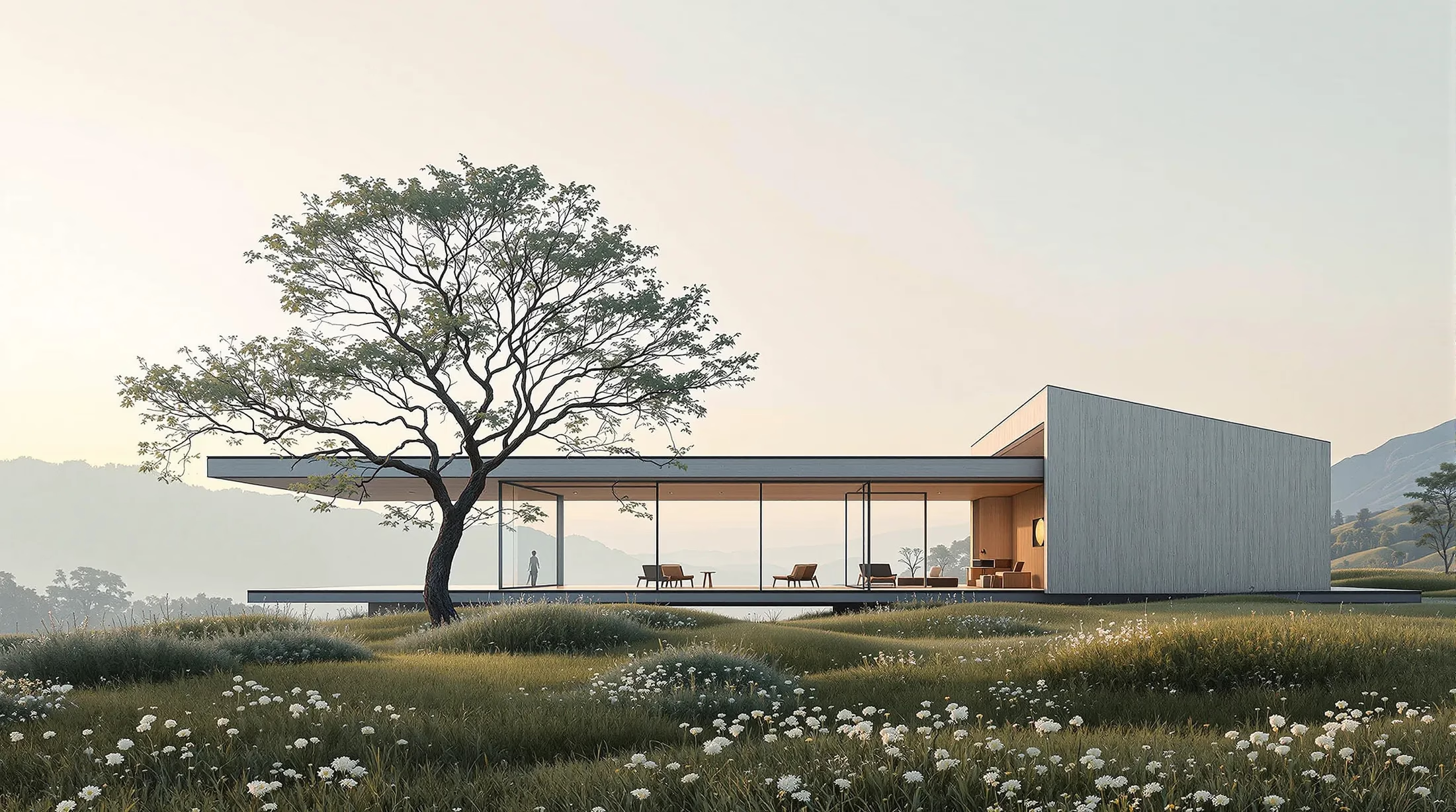
Simple small modern houses represent a growing architectural trend that perfectly balances aesthetics with functionality. These compact dwellings embrace clean lines, minimalist design principles, and thoughtful space utilization to create comfortable living environments despite their modest footprints. With rising housing costs and increased environmental awareness, these homes offer practical solutions for contemporary lifestyles without sacrificing style or comfort.
Rather than sprawling floor plans, these homes prioritize well-designed spaces that serve multiple purposes. The emphasis on open-concept layouts, natural lighting, and connection to outdoor areas creates an atmosphere that feels spacious and airy, regardless of the actual square footage.
Defining Characteristics of Modern Small Homes
- Open-concept living spaces that eliminate unnecessary walls
- Floor-to-ceiling windows for maximum natural light
- Dramatic rooflines featuring flat, shed, or butterfly configurations
- Contrasting exterior materials combining wood, metal, and glass
- Neutral interior color palettes with functional furnishings
- Adaptable features for diverse living situations
The Appeal of Minimalist Living
The minimalist approach embodied by simple small modern houses offers numerous benefits beyond mere aesthetics. By prioritizing quality over quantity, homeowners can invest in better materials, more efficient systems, and thoughtful design details rather than simply paying for excess square footage.
| Practical Benefits | Lifestyle Benefits |
|---|---|
| Lower maintenance requirements | Reduced stress levels |
| Reduced resource consumption | More mindful consumption habits |
| Lower heating and cooling costs | Enhanced focus on experiences |
| Optimized space utilization | Calmer living environment |
Design Elements of a Simple Small Modern House
The hallmark of a simple small modern house lies in its thoughtfully curated design elements that maximize both aesthetics and functionality. These homes feature clean lines, minimal ornamentation, and an emphasis on geometric forms that create visual impact without excess. Contemporary small houses incorporate varied rooflines that make architectural statements while serving practical purposes like accommodating clerestory windows or creating covered outdoor spaces.
Open Floor Plans for Spaciousness
Open floor plans transform simple small modern houses by eliminating unnecessary walls to create flowing, multifunctional spaces. Kitchen islands serve as transitional elements, defining spaces without dividing them, while facilitating natural light distribution and social connectivity throughout the home.
Maximizing Natural Light and Ventilation
- Floor-to-ceiling windows for optimal daylight capture
- Clerestory windows for deep interior illumination
- Skylights for dramatic lighting effects
- Strategic window placement for cross-ventilation
- Sliding glass walls or folding door systems for indoor-outdoor connection
Incorporating Multifunctional Spaces
Multifunctional spaces represent the cornerstone of efficient design in simple small modern houses, allowing homeowners to maximize utility without increasing square footage. These versatile areas adapt to changing needs throughout the day – a dining area transforms into a work-from-home office, while a living room alcove serves as both a reading nook and guest sleeping area with a sleeper sofa.
- Built-in furniture with integrated storage
- Room dividers doubling as storage units
- Stairwells with integrated bookshelves
- Window seats featuring hidden storage
- Flex rooms for evolving family needs
Sustainability in Modern Small Homes
Sustainability has become an integral aspect of modern small house design, reflecting environmental responsibility without compromising style or comfort. These compact dwellings inherently consume fewer resources than larger homes, while incorporating innovative materials and technologies that minimize environmental impact throughout their lifecycle.
Using Sustainable Materials
- Reclaimed wood from old structures
- Bamboo flooring (3-5 years maturity vs. decades for traditional timber)
- Recycled metal roofing and siding
- High-performance insulation from recycled denim, wool, or cellulose
- Countertops made from recycled glass, paper, or agricultural waste
- Low-emission concrete with supplementary cementitious materials
Eco-Friendly Technologies and Features
| Technology | Benefits |
|---|---|
| Solar power systems | Generate sufficient electricity for compact homes |
| Water conservation systems | Rainwater collection and greywater recycling |
| High-efficiency heat pumps | Optimal heating and cooling with minimal energy input |
| Smart home monitoring | Automated adjustment based on occupancy and conditions |
| Passive design features | Natural ventilation and thermal mass optimization |
Integrating Smart Home Features
Modern small houses seamlessly incorporate smart technology to enhance functionality while maintaining minimalist aesthetics. These integrated systems streamline daily routines and maximize the efficiency of limited square footage. Automated lighting systems complement natural light strategies, while intelligent climate controls optimize energy efficiency, creating spaces that feel more spacious and responsive to contemporary lifestyles.
Benefits of Smart Technology in Small Homes
Smart technology delivers exceptional value in compact modern homes by effectively addressing specific challenges of limited space living. The integration of intelligent systems provides multiple advantages that transform small spaces into highly efficient, comfortable environments.
- Space optimization through centralized hubs and discreet sensors, eliminating bulky control panels
- Voice-activated controls for lighting, temperature, and entertainment systems
- Automated window treatments that maintain minimalist aesthetics
- Smart thermostats that learn and adapt to occupancy patterns
- Intelligent lighting systems preventing energy waste in unused rooms
- Connected appliances operating during off-peak hours
- Automated water management systems for leak detection
| Smart Feature | Living Impact |
|---|---|
| Environmental Control | Automatic adjustment to individual preferences throughout the day |
| Energy Management | Reduced utility costs through optimized consumption patterns |
| Space Utilization | Enhanced functionality without physical control interfaces |
| Comfort Automation | Personalized living experience with minimal manual intervention |
Conclusion: Embracing Modern Minimalism
The rising popularity of simple small modern houses represents a fundamental shift in our understanding of quality living. These thoughtfully designed spaces offer more than just shelter – they provide an opportunity to reassess our relationship with possessions and space while prioritizing experiences over belongings.
- Reduced maintenance requirements and lower operational costs
- Architectural flexibility suitable for urban and rural settings
- Intentional living through careful evaluation of possessions
- Systems for regular decluttering and space optimization
- Focus on mindful consumption over impulse purchasing
- Creation of purposeful spaces that support well-being