Single Room House: Your Guide to Cozy Living Spaces
Discover how single room houses are revolutionizing modern living by combining efficiency with comfort. Whether you’re considering downsizing or seeking a more intentional lifestyle, this comprehensive guide will help you understand the potential of compact living spaces.
Understanding the Concept of a Single Room House
A single room house embodies the essence of minimalist living through its compact layout and efficient design. These innovative dwellings prioritize functionality while maintaining comfort, demonstrating how thoughtful space utilization can create inviting environments. Modern interpretations of single room houses have gained significant traction among urban dwellers and minimalists who value simplified living without compromising on comfort.
What is a Single Room House?
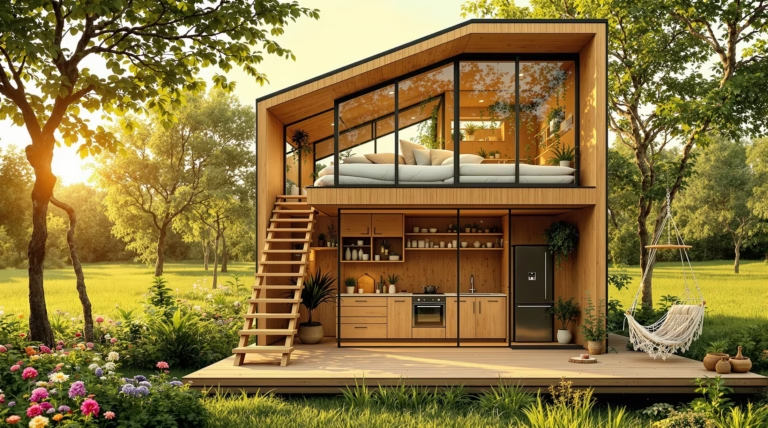
A single room house integrates primary living functions within one main space, typically including:
- Open floor plan ranging from 200 to 500 square feet
- Seamless flow between kitchen, dining, and living areas
- Separate bathroom facilities
- Optional distinct sleeping area
- Built-in storage solutions
- Multifunctional furniture elements
Benefits of Living in a Single Room House
- Financial advantages – lower mortgage payments and reduced utility costs
- Decreased maintenance requirements and cleaning time
- Enhanced environmental efficiency through reduced energy consumption
- Promotion of intentional living and minimalism
- Creation of an intimate, cozy atmosphere
- Simplified lifestyle management
Designing Your Single Room House for Maximum Comfort
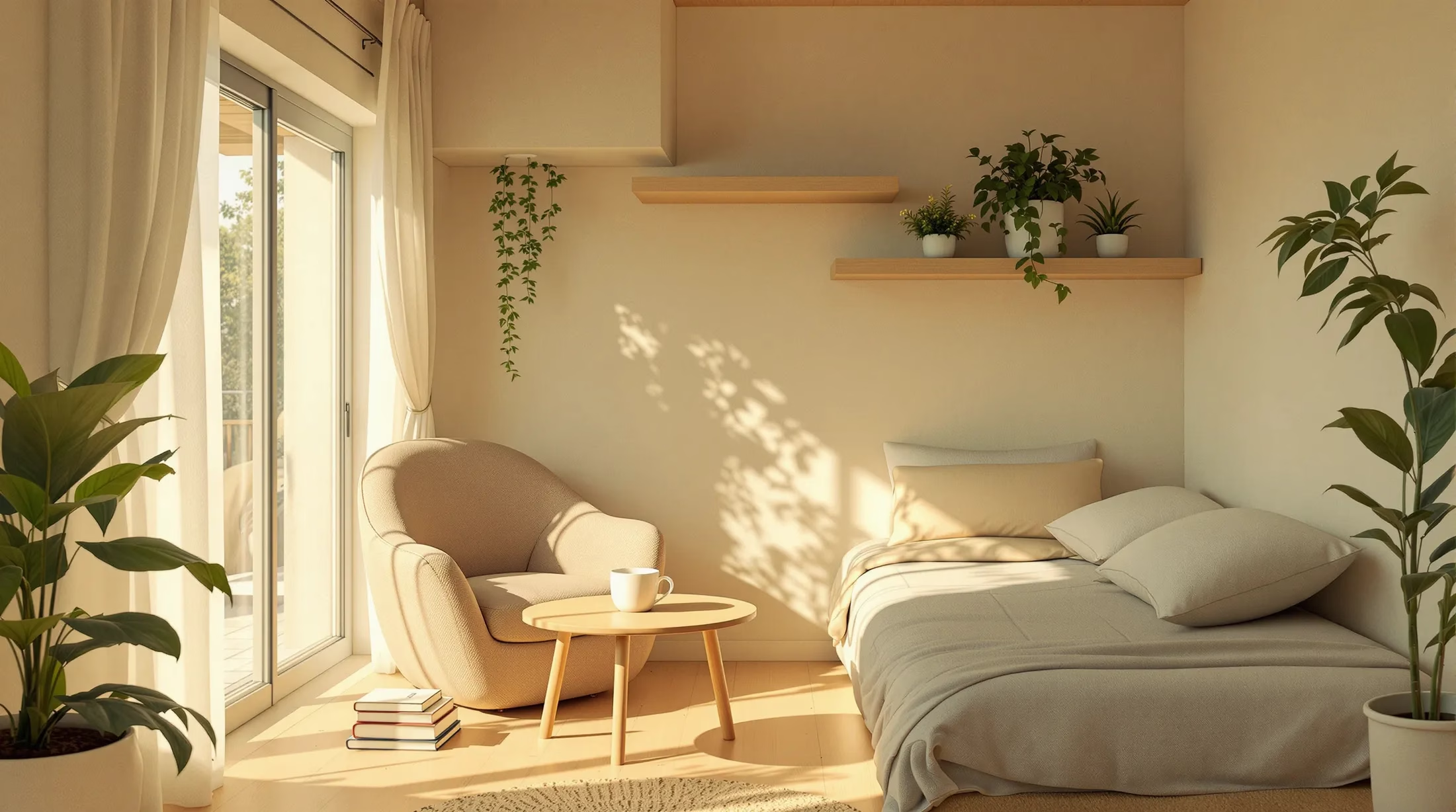
Creating a functional single room house requires strategic planning that emphasizes openness while maintaining distinct living zones. The key lies in maximizing natural light and implementing clever design solutions that make the space feel larger than its actual dimensions.
Space-Saving Furniture Ideas
- Murphy beds or sofa beds for flexible sleeping arrangements
- Nesting tables for adaptable surface space
- Storage ottomans serving dual purposes
- Wall-mounted desks with fold-down capabilities
- Floating shelves for vertical storage optimization
- Custom built-ins for maximizing corner spaces
- Furniture with exposed legs for visual spaciousness
Color Schemes and Lighting for Small Spaces
| Element | Recommendation | Benefits |
|---|---|---|
| Wall Colors | Light neutrals (whites, pale grays, beiges) | Reflects light, creates illusion of space |
| Ceiling | Slightly lighter than walls | Increases perceived height |
| Lighting Types | Recessed lights, wall sconces, pendant fixtures | Maximizes space, adds dimension |
| Natural Light | Sheer window coverings, strategic mirror placement | Enhances brightness, extends light reach |
Affordable and Efficient Living in a Single Room House
Single room houses stand out as one of the most cost-effective housing solutions in today’s market. These compact dwellings offer significant savings through reduced material costs and lower construction expenses compared to conventional homes. The financial benefits extend beyond initial costs, with homeowners enjoying substantially lower utility bills, reduced property taxes, and decreased insurance premiums.
- Lower initial construction costs
- Reduced monthly utility expenses
- Decreased property tax burden
- Minimal insurance premiums
- Lower maintenance costs
These efficient spaces attract diverse groups, from young professionals to retirees, and remote workers who appreciate the dual functionality as living and workspace. Property owners can also leverage these structures as rental units for additional income streams.
Cost-Effective Solutions for Single Room Houses
| Building Approach | Benefits |
|---|---|
| Prefabricated Options | Reduced construction time, lower labor costs, weather-independent assembly |
| Alternative Materials | Sustainable options, lower costs, reduced environmental impact |
| DIY Interior Finishing | Significant cost savings, customization opportunities, personal satisfaction |
| Minimalist Design | Fewer materials needed, simplified construction, multi-functional spaces |
Energy Efficiency in Small Homes
The compact nature of single room houses naturally promotes energy efficiency through reduced heating and cooling requirements. Modern designs incorporate passive solar principles and superior insulation, often achieving remarkable energy performance levels.
- Smart technology integration for automated climate control
- Zone-based heating and cooling systems
- Low-flow water fixtures and on-demand water heaters
- Strategic window placement for natural temperature regulation
- Minimal energy requirements for climate control
- Enhanced awareness of energy consumption patterns
Adapting to Urban Living with a Single Room House
In dense urban environments, single room houses offer an innovative solution to rising housing costs while maintaining prime location benefits. These compact dwellings maximize limited space through clever design features, including large windows, skylights, and glass doors that create an expansive feel while connecting with the surrounding cityscape.
Single Room Houses in Urban Areas
- Creative adaptations for narrow lots and unusual spaces
- Vertical design elements maximizing cubic footage
- Rooftop gardens and balconies extending living space
- Integration with existing neighborhood architecture
- Zoning-compliant accessory dwelling units (ADUs)
- Innovative infill development opportunities
Community and Lifestyle in Compact Living Spaces
Living in a single room house within an urban setting creates a unique lifestyle focused on community engagement and outdoor activities. The limited indoor space naturally encourages residents to utilize shared city spaces, effectively transforming parks, cafes, libraries, and community centers into extensions of their homes. Modern urban dwellings often feature innovative elements like folding glass walls and convertible patios, creating seamless transitions between indoor and outdoor spaces for social gatherings.
- Integration with neighborhood amenities and services
- Enhanced community connections through shared spaces
- Flexible indoor-outdoor living arrangements
- Access to public recreational facilities
- Regular participation in community events
- Stronger social networks within the neighborhood
| Shared Amenities | Community Benefits |
|---|---|
| Communal Gardens | Fresh produce, outdoor activities, social interaction |
| Shared Workshops | Tool access, skill sharing, collaborative projects |
| Co-working Spaces | Professional networking, reduced costs, productivity |
| Community Kitchens | Large gatherings, shared meals, cultural exchange |
The compact living movement has evolved into intentional communities where residents share resources while maintaining private living spaces. This arrangement delivers multiple benefits: reduced costs, lower environmental impact, and simplified maintenance, all while fostering strong social connections. For urban residents, this represents an ideal balance between private space for daily living and rich community resources, proving that reduced square footage enhances rather than diminishes quality of life through meaningful experiences and relationships.