Small Tiny House Design: Creative Ideas for Compact Living
Discover how tiny house design is revolutionizing modern living through innovative space solutions and mindful architecture. From clever storage solutions to sustainable materials, these compact dwellings offer a perfect blend of functionality and style for those seeking a simpler, more intentional lifestyle.
Understanding Small Tiny House Design
Small tiny house design represents a revolutionary approach to living, combining aesthetic appeal with practical functionality in spaces typically ranging from 100 to 400 square feet. These innovative dwellings demonstrate how thoughtful design transforms limited square footage into comfortable, efficient environments while maintaining an open, uncluttered atmosphere.
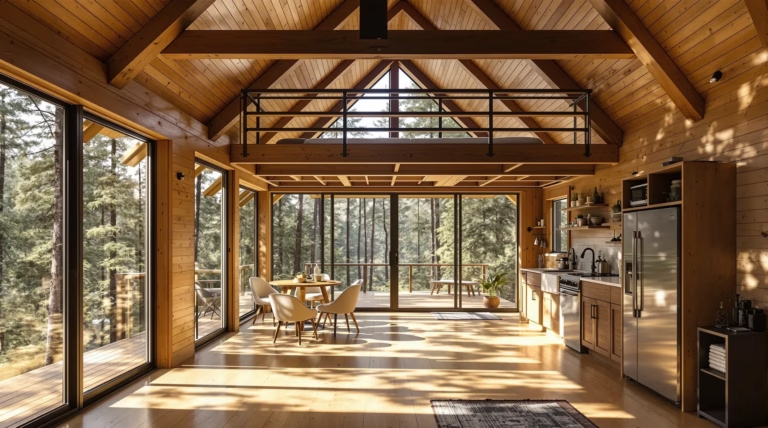
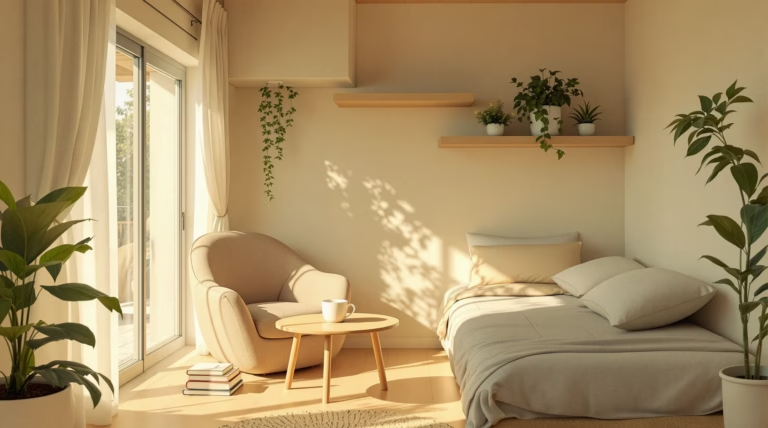
What sets tiny house design apart is its masterful use of vertical space. High vaulted ceilings create an illusion of spaciousness, while clean transitional designs promote an airy feeling without compromising on full-sized amenities. Strategic window placement and clever storage solutions expand the perceived space beyond physical boundaries.
This movement signifies a philosophical shift from excessive consumption toward intentional living. By necessitating careful consideration of possessions and space usage, these compact dwellings encourage a focus on experiences over material goods, attracting diverse demographics from young professionals to retirees seeking simplification.
Key Features of Small Tiny Houses
- Open floor plans – create flowing, versatile spaces that adapt to various activities
- High vaulted ceilings – expand vertical dimension and improve air circulation
- Multifunctional furniture – convertible pieces that serve multiple purposes
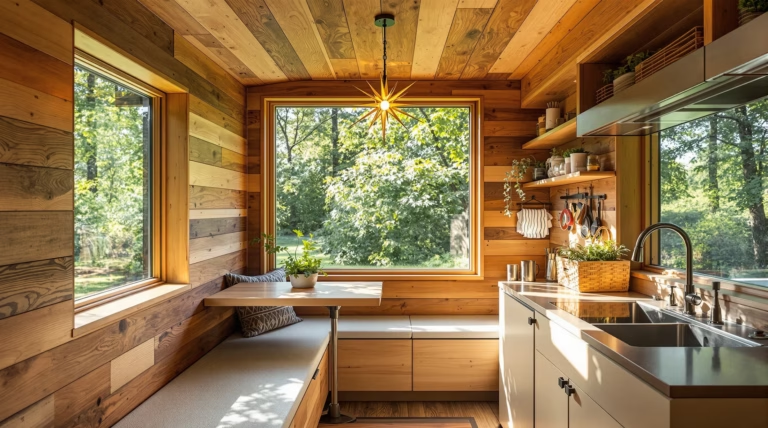
- Storage-integrated furnishings – staircases with drawers, platform beds with compartments
- Lofted sleeping areas – maximize vertical space utilization above living areas
The Role of Minimalism in Tiny House Design
Minimalism serves as both a practical necessity and philosophical cornerstone in tiny house design. This approach eliminates superfluous elements, focusing exclusively on what adds genuine value to residents’ lives. The result is a breathing room within limited square footage that prevents cluttered, chaotic feelings.
| Design Element | Purpose |
|---|---|
| Clean lines | Visually expand space |
| Neutral color palettes | Create sense of calm and order |
| Reflective surfaces | Enhance visual flow |
| Natural light | Increase perceived spaciousness |
Materials and Construction in Tiny House Design
The success of a tiny house fundamentally depends on its materials and construction methods. Every material choice becomes critical for structural integrity, sustainability, and overall livability. Modern builders prioritize eco-friendly materials that reduce environmental impact while ensuring durability in these compact dwellings.
Construction techniques combine traditional homebuilding methods with specialized approaches for mobility and space efficiency. Precision in measurement is crucial, as even minor errors can significantly impact the limited space. High-performance insulation materials, such as closed-cell spray foam or wool insulation, maximize thermal efficiency without compromising valuable interior space.
Choosing Sustainable Materials
- Reclaimed lumber – salvaged from old barns and factories, adding character while reducing landfill waste
- Rapidly renewable materials – bamboo flooring and countertops offering sustainable alternatives
- Natural insulation – wool and recycled denim providing chemical-free alternatives to conventional options
- Structural options – SIPs (Structural Insulated Panels) reducing material waste while improving insulation
- Advanced framing – techniques cutting lumber usage by 30% without compromising structural integrity
- Aluminum framing – lightweight alternative for mobile tiny houses offering superior durability
Incorporating Eco-Friendly Appliances
| Appliance Type | Benefits |
|---|---|
| Compact Refrigerators | Half-sized models offering full functionality with reduced energy consumption |
| Induction Cooktops | Direct heat transfer eliminating wasted energy while saving counter space |
| Tankless Water Heaters | On-demand hot water without standby energy losses |
| Low-Flow Fixtures | Significant water conservation while maintaining effectiveness |
| Solar-Powered Systems | Integrated solutions for LED lighting, ventilation, and electronics |
Mobility and Flexibility in Tiny House Living
The transformative concept of mobility in tiny house living creates unprecedented freedom for homeowners. Built on trailers, these detachable structures enable relocation at will, fundamentally changing the relationship between dweller and dwelling. Intelligent floor plans maximize space efficiency while accommodating diverse lifestyle needs, from remote work setups to entertainment areas.
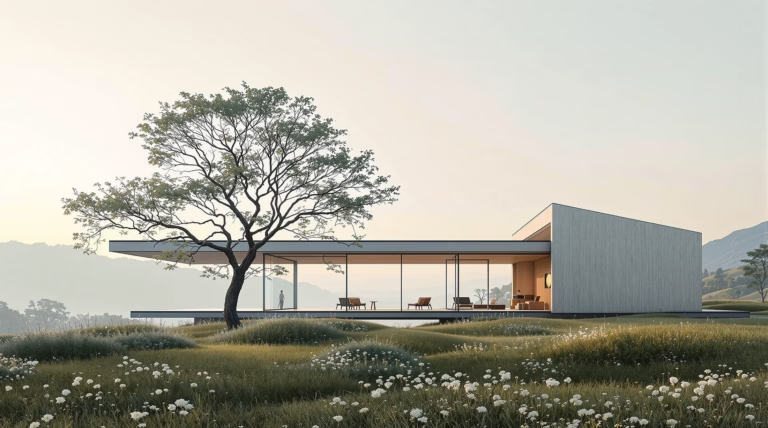
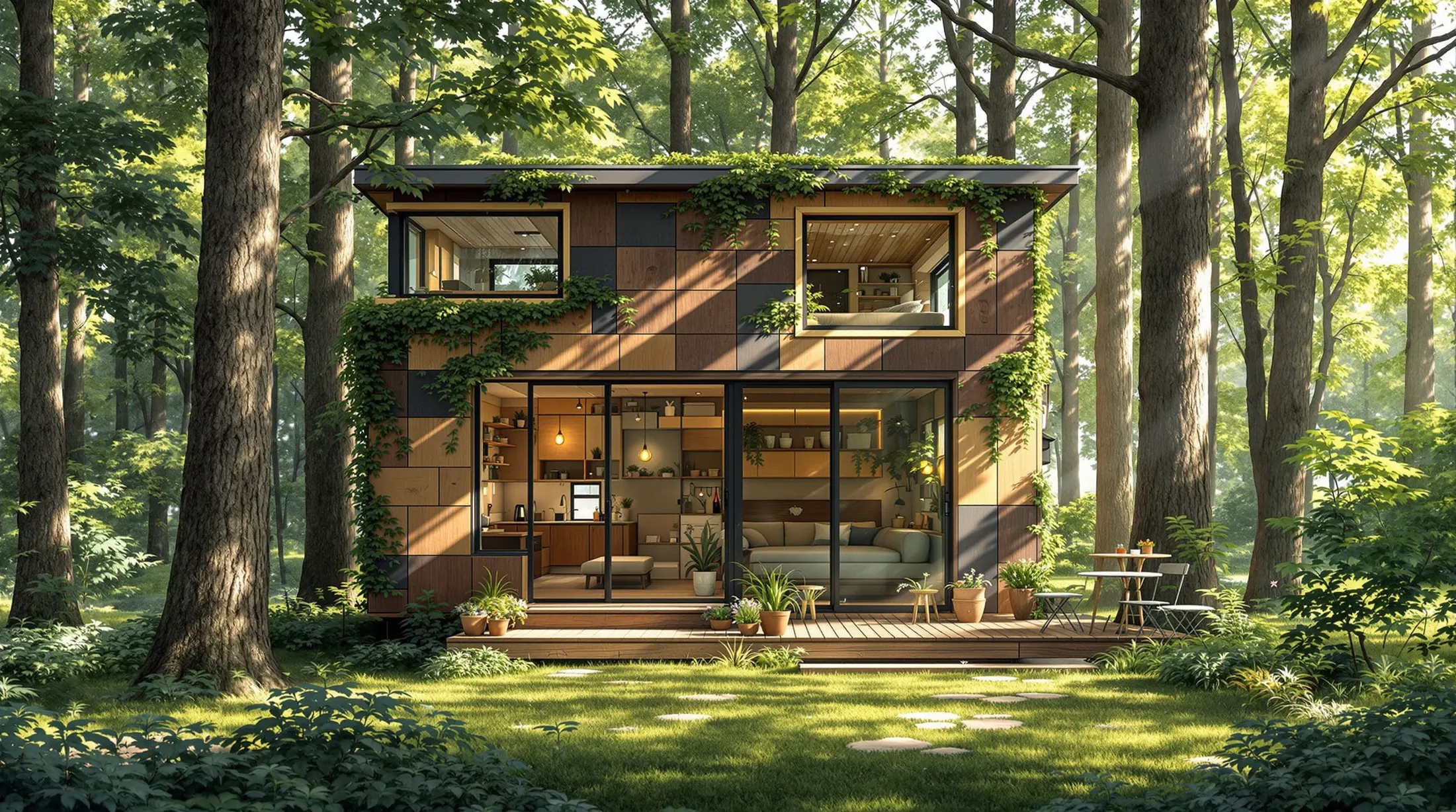
Large windows create seamless connections with surrounding environments, effectively extending living spaces beyond physical boundaries. This integration allows residents to enjoy diverse settings – from forest retreats to lakeside views – without committing to a single location, representing a significant departure from traditional housing concepts.
Benefits of Mobile Tiny Houses
- Location flexibility – freedom to relocate based on personal preferences or professional opportunities
- Economic advantages – reduced utility costs and minimal maintenance requirements
- Environmental impact – smaller footprint leading to reduced resource consumption
- Lifestyle benefits – encourages intentional living and thoughtful consumption
- Professional freedom – ideal for remote workers seeking inspiring environments
Stationary Tiny Houses: A Permanent Solution
- Enhanced stability – fixed foundations similar to traditional homes providing superior structural integrity
- Weather resistance – improved protection against harsh climate conditions
- Utility connections – permanent, reliable access to water, electricity, and sewage
- Expanded design options – freedom from road-legal size constraints allowing full-height ceilings and wider floor plans
- Accessibility features – ground-level layouts eliminating the need for ladders and lofts
- Innovative solutions – specialized features like elevator beds maximizing space efficiency
Designing for Comfort and Functionality
In spaces ranging from 100-400 square feet, successful tiny house design hinges on the perfect balance between aesthetics and practicality. Each element must serve multiple purposes while maintaining an open, breathable environment that supports daily activities effortlessly.
| Design Element | Purpose |
|---|---|
| High Ceilings | Creates visual spaciousness and vertical storage opportunities |
| Strategic Windows | Maximizes natural light and enhances spatial perception |
| Open Floor Plans | Ensures smooth flow between living areas |
| Versatile Furniture | Adapts to changing needs throughout the day |
| Built-in Elements | Maximizes functionality while minimizing spatial impact |
Maximizing Storage in Small Spaces
- Integrated systems – staircase drawers, under-floor compartments, and wall cavities utilizing structural elements
- Vertical storage – full-height cabinets and shelving maximizing wall space
- Multifunctional furniture – platform beds with drawers, convertible dining tables with storage
- Modular solutions – adjustable components and mobile furniture adapting to changing needs
- Dynamic organization – sliding panels and movable shelves optimizing space utilization
Integrating Outdoor Living Spaces
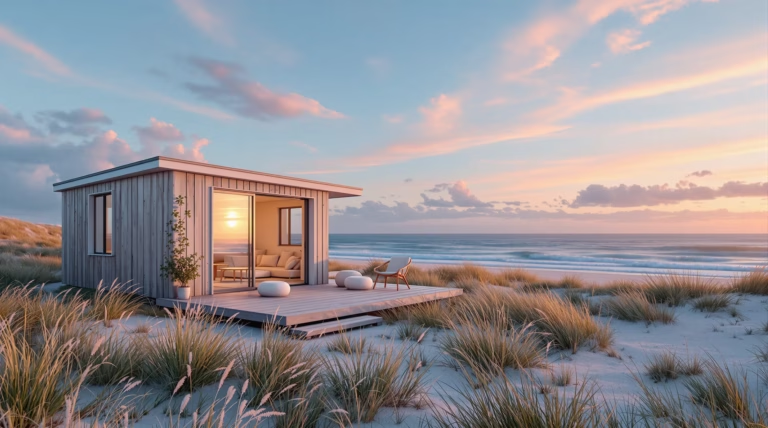
Outdoor living areas effectively multiply usable space without increasing the building’s footprint. Through thoughtfully designed decks, porches, and patios, these spaces become natural extensions of indoor living areas, particularly when connected via large sliding doors or fold-away walls.
- Transitional spaces – seamless flow between indoor and outdoor environments
- Natural connections – strategic window placement framing specific landscape views
- Weather protection – roofed porches and retractable awnings extending usability
- Outdoor amenities – integrated cooking areas and convertible furniture systems
- Psychological benefits – enhanced well-being through connection with nature
Understanding local regulations is crucial for tiny house implementation. According to International Residential Building Codes, tiny houses must be under 400 square feet (37 square meters), though requirements vary by jurisdiction. Essential compliance areas include minimum room dimensions, ceiling heights (6’8″ for habitable spaces), proper egress windows, and utility connections.
- Safety requirements – fire safety equipment and proper ventilation systems
- Basic facilities – functional bathrooms, kitchens, and heating systems
- Utility standards – hot and cold water supplies meeting local codes
- Structural integrity – compliance with building material and construction standards
- Property considerations – maintaining neighborhood character and property values
Understanding Zoning Laws for Tiny Houses
Local zoning laws establish specific guidelines for tiny house placement and usage, with regulations varying significantly between jurisdictions. These ordinances typically categorize tiny houses into distinct categories:
- Accessory Dwelling Units (ADUs) – secondary structures on existing properties
- Recreational Vehicles (RVs) – mobile units with specific parking requirements
- Single-family homes – traditional residential classification with standard requirements
- Foundation requirements – permanent vs. wheel-based structures
- Lot specifications – minimum size and setback requirements
For successful implementation, contact your local zoning office to understand area-specific regulations. Some jurisdictions offer alternative compliance paths through variance requests or conditional use permits when current zoning proves restrictive. As tiny houses gain popularity, many communities are adapting their regulations, creating new opportunities for legal placement.
Complying with Building Codes
| Building Element | Compliance Requirements |
|---|---|
| Structural Integrity | Must meet local load-bearing standards |
| Fire Safety | Proper exits, smoke detectors, fire-resistant materials |
| Electrical Systems | Professional installation meeting code standards |
| Plumbing | Proper connections and ventilation requirements |
| Energy Efficiency | Insulation and climate control standards |
Partner with professionals experienced in small-scale construction to navigate compliance effectively. Early consultation with building officials can provide valuable guidance and identify potential solutions for challenging requirements. Prepare detailed construction documents demonstrating code compliance when seeking permits. Some jurisdictions offer performance-based approaches that better accommodate compact living while maintaining safety standards.
The Future of Tiny House Communities
Tiny house communities represent an innovative approach to sustainable, connected living. These intentional neighborhoods combine compact living with shared resources and built-in social networks, effectively addressing potential isolation concerns while promoting environmental consciousness.
- Community models – co-housing arrangements with shared facilities
- Eco-village design – integrated sustainability features and renewable systems
- Shared amenities – common houses with expanded kitchen and workspace options
- Social infrastructure – built-in support networks and collaborative opportunities
- Environmental impact – reduced carbon footprint through resource sharing
The Rise of Tiny House Communities
These communities have evolved from experimental projects into legitimate housing solutions, appearing across North America, Europe, and Australia. Progressive municipalities are creating specific provisions for tiny house developments, with some cities officially declaring themselves “tiny house friendly.” These developments often utilize innovative land-use arrangements like community land trusts or cooperative ownership models to maintain affordability and stability.
Benefits of Community Living
- Shared resources – access to expanded amenities and facilities
- Cost efficiency – reduced individual expenses through resource sharing
- Social connection – regular interaction and community engagement
- Skill sharing – knowledge exchange and mutual support systems
- Mental well-being – improved life satisfaction through community bonds
- Environmental impact – collective approach to sustainable living