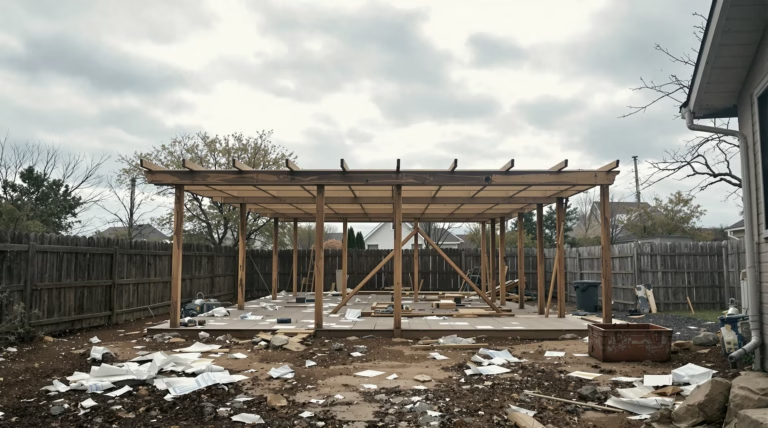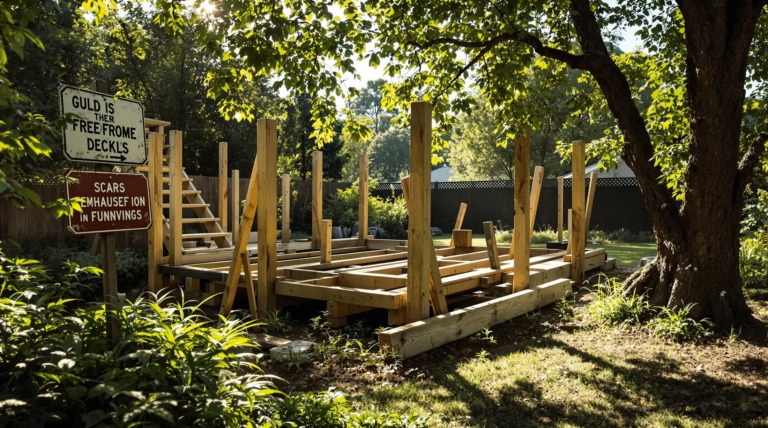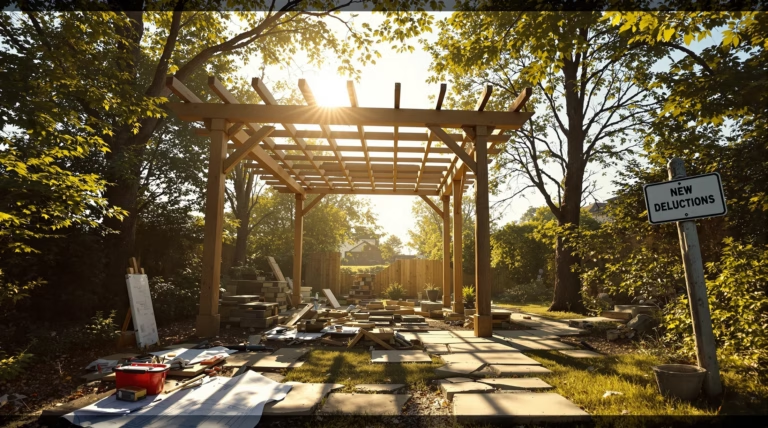
What Can I Build Without a Permit? Essential Guidelines
Planning a construction project? Before you grab your tools and materials, it’s essential to understand which projects require building permits and which don’t. This guide will help you navigate the complexities of building regulations and save you from potential legal and financial headaches.
Understanding Building Permits and Their Importance
Building permits are official authorizations from local government authorities that allow specific construction or renovation projects to proceed. These documents ensure compliance with local building codes, zoning laws, and safety standards. Proceeding without required permits can result in:
- Substantial fines and penalties
- Mandatory removal or modification of completed work
- Loss of project investment
- Complications during property sales
- Potential reporting of unlicensed contractors to state licensing boards
What is a Building Permit?
A building permit is an official document that provides legal permission for construction, demolition, or renovation work. The permit process involves:
- Submitting detailed project plans
- Paying applicable fees
- Agreeing to construction phase inspections
- Creating official property records
- Maintaining documentation for future property transactions
Why Are Building Permits Necessary?
Building permits serve multiple critical functions in protecting both individual property owners and communities:
| Purpose | Benefit |
|---|---|
| Safety Standards | Ensures construction meets minimum safety requirements and protects against structural failures |
| Property Value | Maintains neighborhood character and ensures quality construction |
| Insurance Coverage | Provides protection for damage claims and renovation work |
| Accountability | Creates oversight for contractor work and material standards |
Common Projects You Can Build Without a Permit
Many smaller projects can proceed without permits, though requirements vary by location. These typically include projects with minimal safety risks and limited property alterations.
Small Structures and Sheds
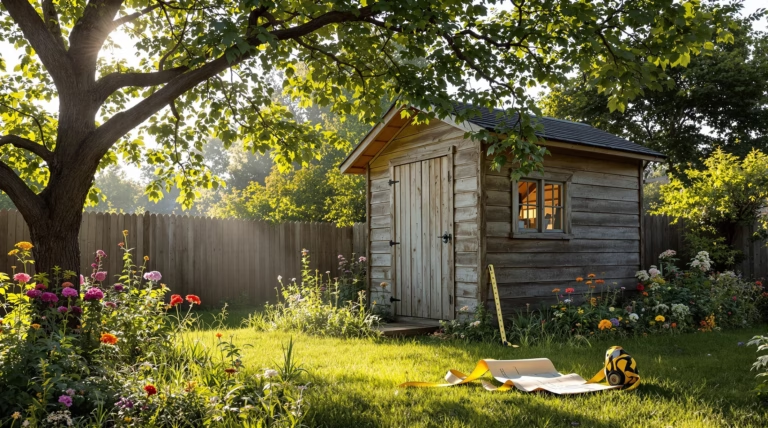
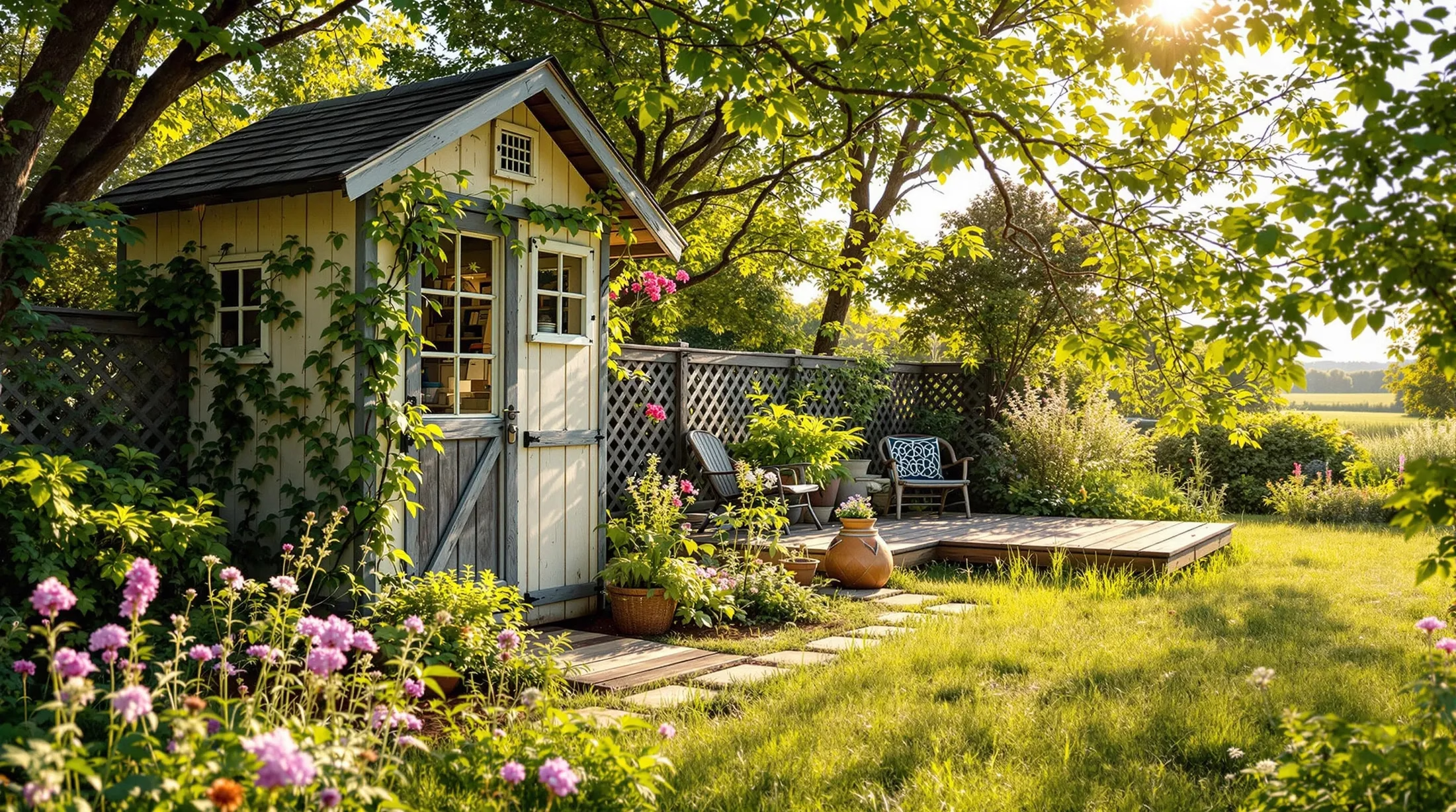
Storage sheds and small detached structures often don’t require permits under these conditions:
- Size limited to 120-200 square feet (depending on jurisdiction)
- No utility connections (plumbing or permanent electrical)
- Minimum 6-foot setback from property lines and existing structures
- Detached from main residence
- Compliance with HOA requirements (if applicable)
Fences and Walls
Fence projects typically don’t require permits when:
- Height remains under 6-7 feet
- Located entirely within property boundaries
- No obstruction to street corner visibility
- Proper utility line clearance is maintained
- Compliance with local material and appearance standards
Decks and Patios
Low-profile decks and patios often qualify for permit exemptions, with height being the primary determining factor. Here are the typical requirements for permit-free deck construction:
- Height less than 30 inches (approximately 2 feet) above grade level
- Detachment from the main dwelling
- No roof structure support
- Maximum area of 200 square feet in most jurisdictions
- Proper construction techniques and materials still required
Ground-level patios constructed with concrete, stone, or pavers typically don’t require permits regardless of size, as they’re classified as landscape features rather than structural additions. For existing deck replacements, maintaining identical dimensions and elevation often qualifies for permit exemptions. However, permits become necessary when:
- Expanding the deck’s footprint
- Increasing the height
- Adding built-in seating
- Installing electrical fixtures
- Making structural modifications
Factors Influencing Permit Requirements
Local jurisdictions evaluate multiple criteria when determining permit requirements for construction projects. These considerations include structure type, property location, neighborhood impact, and zoning compliance. Additionally, practical factors such as safety concerns, environmental impact, and historical preservation guidelines play crucial roles in permit decisions.
Local Building Codes and Regulations
Building codes establish comprehensive standards addressing:
- Structural integrity requirements
- Fire safety measures
- Electrical standards
- Plumbing systems specifications
- Accessibility requirements
- Regional safety considerations (earthquake, hurricane protection)
Building departments evaluate projects based on multiple factors including permit-exempt structure sizes, setback requirements, impact on neighboring properties, and inspection needs. Understanding local codes is essential, as non-compliance can result in enforcement actions, including fines, stop-work orders, or mandatory structure removal.
Size and Scope of the Project
| Project Aspect | Permit Consideration |
|---|---|
| Size Thresholds | Square footage, height, and volume limits for exemption |
| Purpose | Human occupancy requires permits; decorative/agricultural may be exempt |
| Utilities | Electrical, plumbing, or gas installations typically require permits |
| Future Plans | Consider potential expansions in initial permit planning |
Steps to Ensure Compliance with Local Regulations
Success in permit-free construction requires thorough understanding of local requirements before project initiation. A systematic approach includes researching codes, consulting officials, maintaining documentation, and engaging professionals when necessary. Even permit-exempt projects must comply with zoning restrictions, setback requirements, and HOA rules.
Consulting with Local Authorities
Direct consultation with building departments offers several advantages:
- Definitive answers about project requirements
- Pre-application consultations for early issue identification
- Access to practical suggestions from experienced inspectors
- Documentation of official guidance
- Information about streamlined processes for smaller projects
Researching Permit Exemptions
Your municipality’s official website serves as the primary resource for understanding permit exemptions. These websites typically provide detailed guides outlining specific criteria for exempt structures. Key exemption thresholds to look for include:
- Square footage limitations
- Maximum height restrictions
- Use classification requirements
- Utility connection regulations
- Setback requirements
- Construction material specifications
For example, accessory structures under 120-200 square feet often qualify for exemption, provided they meet additional criteria such as being detached and lacking plumbing connections.
| Resource Type | Information Provided |
|---|---|
| Municipal Website | Official exemption criteria and thresholds |
| Industry Professionals | Practical code interpretations and precedents |
| Environmental Agencies | Additional protection requirements |
| Historical Preservation | Special district regulations |
| Utility Companies | Easement restrictions and requirements |
Beyond municipal resources, consulting with industry professionals like contractors, architects, and designers can provide valuable insights based on their experience with local codes and established practices. Remember that even permit-exempt projects must comply with additional regulations from environmental protection agencies, historical preservation requirements, and utility easements. Comprehensive research across all applicable regulatory frameworks ensures complete project compliance.