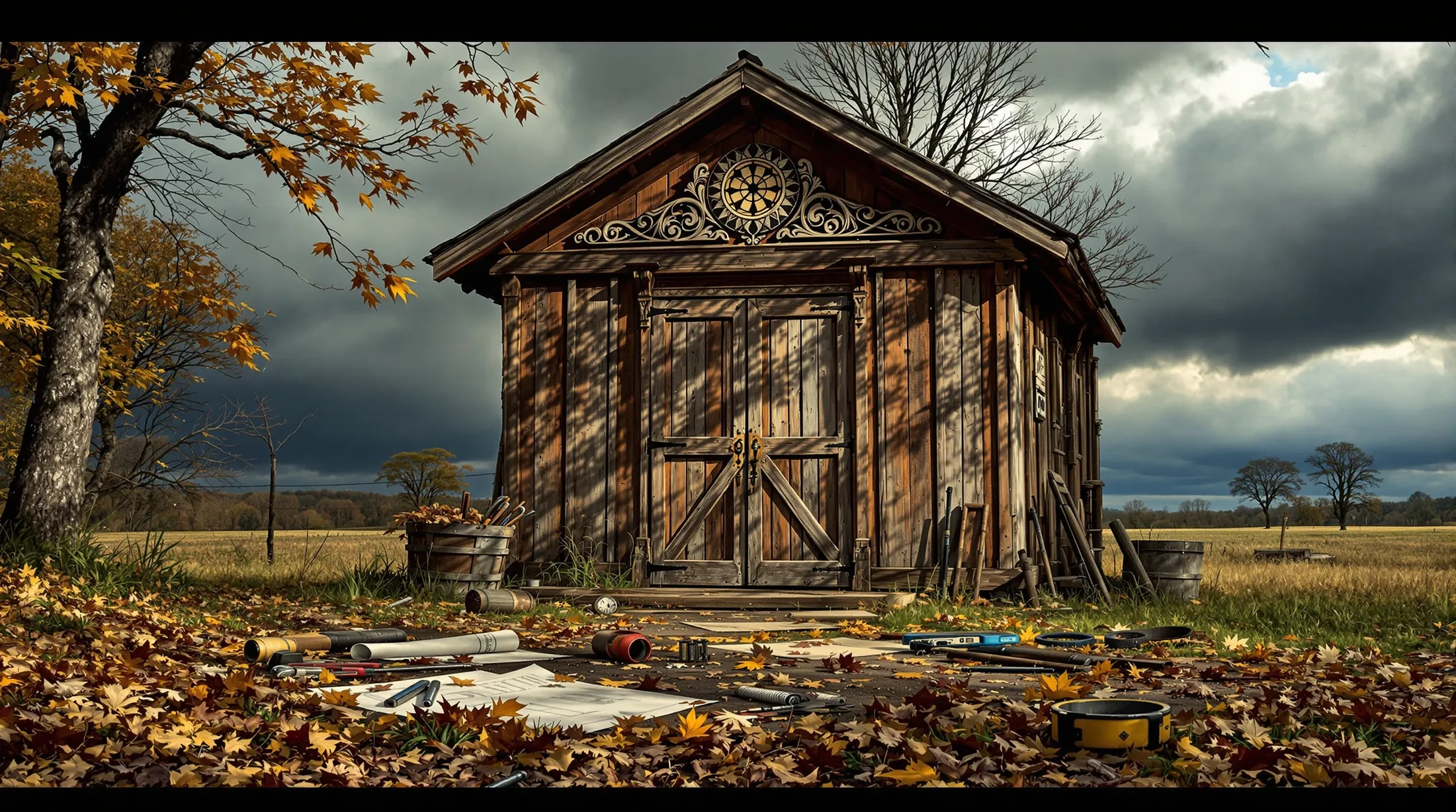
Why Are Sheds So Expensive? Understanding the Costs Involved
If you’re experiencing sticker shock while shopping for a shed, you’re not alone. The rising costs of these outdoor structures have left many homeowners wondering about their significant price tags. Let’s explore the various factors that contribute to shed expenses and understand what drives these costs in today’s market.
Understanding the High Costs of Sheds
The current market dynamics have created unprecedented pressure on shed prices. A significant lumber shortage has increased building material costs across the industry, while pandemic-driven demand for outdoor structures has further elevated prices.
- Quality materials and specialized components
- Skilled labor and construction expertise
- Professional tools and equipment
- Design complexity and customization
- Delivery and installation services
- Geographic location factors
Material Quality and Its Impact on Shed Prices
Material selection significantly influences the final cost of your shed. Each material type offers distinct advantages and price points:
| Material Type | Cost Level | Characteristics |
|---|---|---|
| Wood | Premium | Highly customizable, aesthetically pleasing, labor-intensive |
| Metal | Economic | Lower upfront cost, specific foundation needs, rust potential |
| Vinyl | Mid-range | Durable, low maintenance, quality varies by manufacturer |
The Role of Design Complexity in Shed Pricing
Design complexity can significantly impact the final cost of your shed. Basic rectangular structures with simple gable roofs represent the most economical option, while complex designs can increase costs by 30-50%.
- Custom features (windows, skylights, lofts)
- Electrical wiring and insulation
- Specialized door systems
- Multiple rooms or compartments
- Complex roof designs and dormers
Labor and Craftsmanship: Key Cost Drivers
Professional labor typically accounts for 30-50% of pre-built shed costs, reflecting the specialized skills required for quality construction. Current market conditions, including skilled worker shortages, have further increased labor expenses.
Comparing Pre-Made and DIY Sheds
The choice between pre-made and DIY sheds involves more than just price considerations. While pre-made options might cost two to four times more than DIY alternatives, they offer convenience and professional quality assurance.
Pros and Cons of Pre-Made Sheds
Pre-made sheds offer turnkey solutions with professional construction standards and warranties. However, they come with limited customization options and higher upfront costs. Delivery expenses can add 10-15% to the total price, making it essential to consider all aspects before making a decision.
Building Your Own Shed: Cost and Skill Considerations
The DIY approach to shed building presents significant advantages, particularly for budget-conscious homeowners with basic construction experience. Self-building typically yields substantial cost savings compared to pre-made options, especially for larger structures where labor expenses constitute a higher percentage of the total cost. DIY construction also offers complete creative control, allowing customization of dimensions, materials, window placement, and interior features to match specific requirements.
- Significant cost savings on labor
- Complete creative control over design
- Customizable dimensions and features
- Flexibility in material selection
- Personal satisfaction of building
However, DIY construction presents notable challenges. The process demands considerable time investment, often requiring multiple weekends even for modest structures. Access to proper tools may necessitate additional purchases or rentals. First-time builders face a steep learning curve, potentially leading to structural or aesthetic compromises. While material costs between DIY and pre-fabricated sheds might be comparable (approximately $3,400 for certain models), the DIY approach requires valuing your time at zero—a consideration that often favors professional installation for busy individuals.
Additional Factors Influencing Shed Costs
Long-term maintenance requirements represent often-overlooked expenses that significantly impact the total cost of ownership. Different materials demand varying levels of upkeep, directly affecting lifetime expenses. While initial prices might seem high, evaluating durability and maintenance needs over 10-20 years provides a more accurate cost assessment.
Geographic location substantially influences shed pricing through regional variations in material availability, labor markets, building codes, and climate considerations. These factors can cause identical sheds to vary in price by 20-30% across different regions. Understanding these additional cost elements helps explain price variations and ensures a more comprehensive evaluation of your property investment.
Maintenance and Longevity of Different Shed Materials
| Material Type | Maintenance Needs | Lifespan | Maintenance Cost |
|---|---|---|---|
| Wood | Repainting/resealing every 2-4 years | 20+ years with proper care | $150-300 per application |
| Metal | Rust prevention and treatment | 15-20 years | Varies by climate |
| Vinyl | Basic cleaning only | 25+ years | Minimal |
Regional Variations in Shed Pricing
- Labor costs: 30-50% higher in metropolitan areas
- Material costs: Increase with distance from manufacturing centers
- Climate adaptations: Additional costs for snow loads or hurricane resistance
- Building codes: Varying requirements affecting foundation and construction methods
- Delivery expenses: Significant variations based on location accessibility
Making an Informed Shed Purchase Decision
A well-informed purchase decision requires careful consideration of multiple factors beyond initial cost. The choice between pre-made and DIY construction depends on material costs, available tools, and time valuation. While DIY might reduce labor expenses, total costs can vary significantly based on project complexity and existing resources.
Consider the complete financial picture, including delivery costs, installation fees, maintenance requirements, and potential resale value. A shed that complements your property’s aesthetics while meeting storage needs often represents a better investment than the lowest-cost option, which might diminish overall property value.
Balancing Quality and Price for Long-Term Value
Finding the optimal balance between quality and price stands as a crucial challenge in shed purchasing. Premium-quality sheds command higher prices but deliver substantial benefits in durability, aesthetics, and functionality that typically justify the investment. While budget options may appear attractive initially, they often result in accelerated wear, limited utility, and poor appearance that can negatively impact property value.
- Floor joists (16 inches on center spacing)
- Sturdy wall studs and roof trusses
- Durable exterior material thickness
- Quality door hardware components
- Professional window installation
- Premium roofing materials
Consider financing options for higher-quality structures when budget constraints exist—spreading payments over time can make premium sheds more accessible while offering better value than replacing a lower-quality shed prematurely. A well-constructed shed typically represents a 15-30 year investment, making quality considerations paramount to long-term satisfaction.
Planning for Future Needs and Permits
| Permit Consideration | Key Requirements |
|---|---|
| Size Regulations | Maximum dimensions and square footage limits |
| Placement Rules | Setback requirements from property lines |
| Foundation Requirements | Specific foundation types and installation methods |
| HOA Guidelines | Aesthetic requirements and design restrictions |
| Height Restrictions | Maximum allowable height limits |
When selecting a shed, experts recommend choosing one approximately 25-30% larger than current storage needs to accommodate future growth. Consider not just present storage requirements but potential future needs for garden equipment, seasonal items, and recreational gear.
Thorough research of local permit requirements and zoning regulations is essential before finalizing any purchase. Failing to obtain necessary permits can result in significant fines or removal orders. Early consultation with local building departments helps prevent costly mistakes and ensures compliance with all applicable regulations.