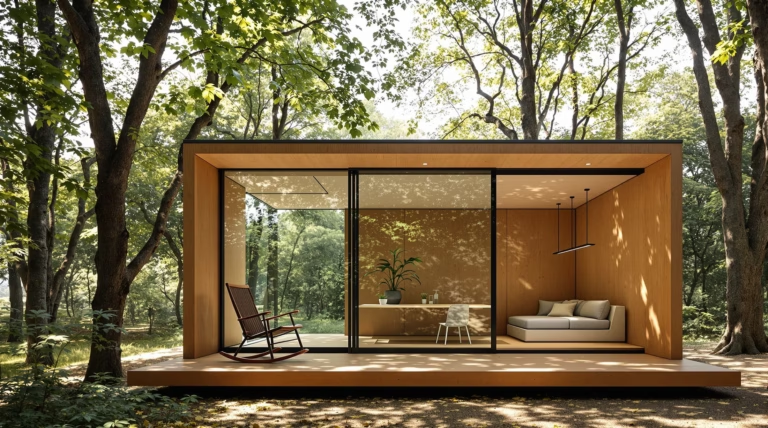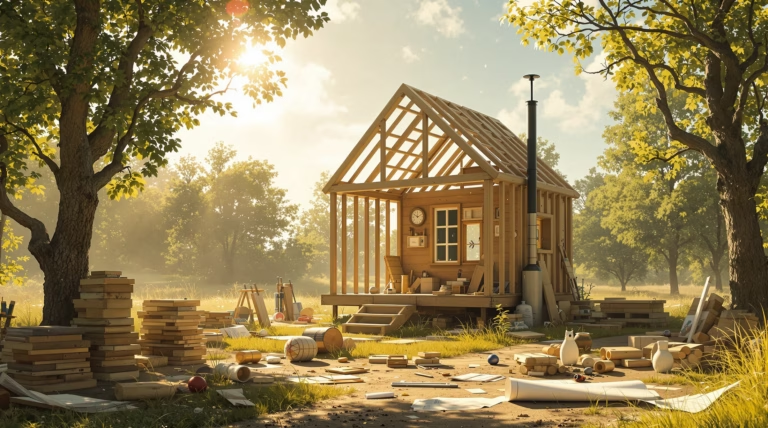
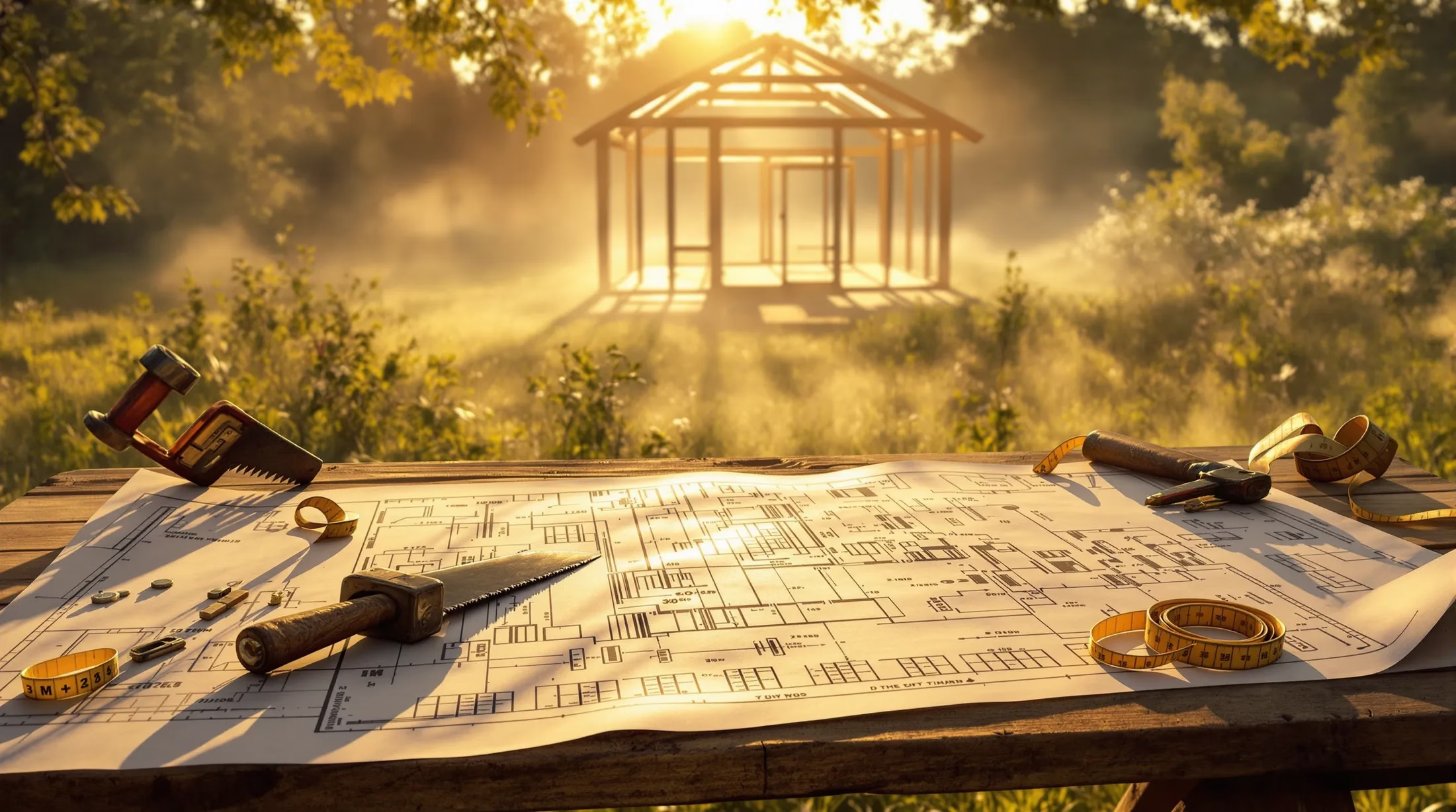
Blueprint DIY Shed Plans: Create Your Perfect Outdoor Space
Transform your outdoor space and save money by building your own custom shed using detailed blueprint plans. These comprehensive guides empower homeowners to create professional-quality storage solutions without hiring contractors. Let’s explore how these plans can help you achieve your perfect outdoor structure.
Understanding Blueprint DIY Shed Plans
Blueprint DIY shed plans serve as comprehensive guides that enable homeowners to create custom outdoor storage solutions independently. These detailed plans provide complete construction guidance, making complex projects manageable for builders of all experience levels. Through platforms like Build Blueprint, these resources offer step-by-step instructions that break down the building process into achievable weekend tasks.
What Are Blueprint DIY Shed Plans?
Blueprint DIY shed plans are meticulously detailed construction guides that include:
- Precise measurements in both metric and imperial systems
- Complete materials lists for accurate budgeting
- Sequential building instructions
- Foundation requirements and specifications
- Roof pitch calculations and details
Benefits of Using Blueprint DIY Shed Plans
- Cost savings of 40-60% compared to prefabricated units
- Freedom to select premium materials for better quality
- Customization options for dimensions and features
- Development of valuable carpentry skills
- Clear instructions that eliminate guesswork
- Professional results without specialized tools
Types of Shed Plans Available
DIY shed construction offers various styles to match specific needs and property constraints. Each design provides unique advantages in terms of construction complexity, material requirements, and practical application.
| Shed Style | Key Features | Best For |
|---|---|---|
| Lean-to | Single-sloped roof, attaches to existing structure | Limited space, beginners |
| Gable | Traditional triangular roof, maximum headroom | Versatile use, workshops |
| Barn-style | Maximum storage volume, characteristic shape | Large storage needs |
Lean-To Shed Plans
Lean-to designs represent the most economical and straightforward option for DIY builders. These structures feature a single-sloped roof and are designed to attach to existing walls, making them perfect for properties with space constraints. Popular sizes include 10×12, 10×10, 8×10, and 8×8, offering excellent weather protection while minimizing material costs.
Gable Shed Plans
Gable sheds feature the classic triangular roof design that maximizes interior space and provides excellent water drainage. These versatile structures come in various sizes, including 12×16, 10×12, 12×12, and 8×8. The symmetrical design allows for flexible door and window placement, making them highly adaptable for different uses, from basic storage to dedicated workshop spaces.
Barn Shed Plans
Barn shed plans combine distinctive styling with exceptional storage capacity through their characteristic gambrel roof design. This ingenious architectural feature creates substantial overhead space, effectively doubling the storage volume compared to conventional sheds of similar footprints. These versatile structures are available in multiple dimensions, including:
- 10×10 – ideal for standard residential storage
- 12×10 – perfect for equipment and seasonal items
- 14×10 – suitable for workshop conversion
- 16×10 – maximum storage capacity
- 6×10 – compact solution for limited spaces
The defining gambrel roof structure transforms otherwise empty attic space into valuable storage area. Free barn shed plans typically include detailed instructions for constructing the complex roof trusses, often providing templates or jigs to simplify this crucial step. While these designs require additional materials and construction expertise compared to basic models, they offer unmatched benefits:
- Superior storage volume for larger equipment
- Versatile overhead space for seasonal items
- Potential for loft conversion
- Workshop or hobby area possibilities
- Enhanced property aesthetics
Cost Considerations for Building a Shed
DIY shed construction offers substantial savings of 40-60% compared to pre-built alternatives. Project costs typically range from $500 to $4,000, varying by size, materials, and complexity. For reference, a standard 8×10 shed costs approximately $1,200 in materials when self-built, while pre-built versions often exceed $3,000. The Victorian-style plan available through our platform requires about $940 in materials – less than half the retail price of comparable ready-made options.
Estimating the Cost of Your Shed
| Component | Estimated Cost Range | Notes |
|---|---|---|
| Basic Materials (8×10 shed) | $1,200-1,600 | $15-20 per square foot |
| Foundation | $50-1,000 | Gravel to concrete options |
| Roofing | $100-800 | Asphalt to metal options |
| Windows (each) | $100-300 | Including frames |
| Door Hardware | $50-150 | Basic fixtures |
Cost-Effective Tips for Shed Construction
- Choose lean-to designs for projects under $800
- Use standard dimensional lumber to minimize waste
- Purchase materials during winter for best prices
- Look for end-of-season sales (25-40% savings)
- Consider salvaged fixtures and hardware
- Invest in quality plans ($20-50) to prevent costly mistakes
Design Considerations for Your Shed
The design phase fundamentally shapes both the functionality and visual appeal of your shed project. Focus on creating a structure that complements your existing property while meeting practical storage needs. Consider how the shed will enhance your outdoor space’s overall aesthetic, whether by matching your home’s architectural style or harmoniously blending with the landscape.
Practical considerations should guide your design decisions. Address key questions about intended use, such as storage requirements, workspace needs, and utility considerations including electricity and climate control. Planning for adequate door width and ceiling height ensures your shed accommodates both current and future storage needs without requiring expensive modifications later.
Legal and Location Considerations
Most municipalities have specific regulations governing outbuildings, with requirements varying based on shed size, intended use, and property zoning. While smaller sheds (8×10 or 10×12) may qualify for permit exemptions in certain areas, larger structures typically require proper documentation. These regulations serve as essential safety measures, ensuring your structure meets wind load, snow load, and structural integrity standards.
The success of your shed project heavily depends on thoughtful location selection, which impacts both functionality and longevity. An ideal location balances accessibility with practical considerations like drainage, sun exposure, and ease of use. Poor positioning can lead to premature deterioration, difficult access during inclement weather, or interference with other property activities.
Understanding Building Permits
- Size thresholds – most jurisdictions set limits between 100-200 square feet for permit exemptions
- Setback requirements – typically 5-10 feet from property lines
- Height restrictions – commonly 10-12 feet maximum
- Utility considerations – permits often required for electrical or plumbing installations
- Special use requirements – additional permits needed for workshops or specialized purposes
To navigate permit requirements effectively, contact your local building department for specific guidelines. Be prepared to submit detailed plans showing dimensions, construction methods, and materials. The permit process, while requiring an investment of time and fees ($50-200), provides crucial protection and ensures compliance with safety standards.
Choosing the Right Location for Your Shed
| Consideration | Optimal Characteristics |
|---|---|
| Drainage | Ground sloping away from structure, no water pooling |
| Accessibility | Easy access from home, proximity to usage areas |
| Sun Exposure | North-facing doors to reduce glare |
| Wind Patterns | Protected from prevailing winds, good ventilation |
| Landscape Features | Away from trees to prevent debris and root issues |
If natural drainage isn’t ideal, consider implementing solutions such as crushed stone bases or French drains to direct water away from the foundation. A strategically positioned shed enhances property functionality while minimizing maintenance requirements over its lifetime.
Installation of Shed Doors and Windows
The installation of doors and windows represents a crucial 15-20% of your total shed construction time, significantly impacting both functionality and aesthetics. Properly installed doors ensure secure storage access, while strategically placed windows provide essential natural light and ventilation. Our blueprint DIY shed plans include detailed instructions for both standard and custom installations, allowing for personalization while maintaining structural integrity.
Installing Shed Doors
- Frame rough opening – allow 2-3 inches beyond door dimensions (38-40 inches wide by 82-84 inches tall for standard 36-inch door)
- Secure door jamb using shims for even spacing
- Install hinges on door first, then attach to jamb
- Apply weather stripping around jamb and door sweep
- Mount quality latches and handles for security and aesthetics
| Door Type | Recommended Use | Width Range |
|---|---|---|
| Single Door | Storage-focused sheds | 36-38 inches |
| Double Door | Equipment storage, workbenches | 4-6 feet |
Adding Windows to Your Shed
Windows transform your shed into a versatile and inviting space. The installation process requires careful planning and precise execution. When cutting openings in existing walls, always add temporary bracing to maintain structural integrity before removing stud sections.
- Frame rough opening with header support (½ inch clearance on all sides)
- Set window in opening, check level and plumb
- Secure through mounting flanges or jamb
- Install proper flashing based on siding type
- Maintain 16-inch minimum spacing from corners and doors
For optimal natural lighting, consider strategic window placement. Our popular 8×8 garden shed plan features two 40-inch square windows positioned to maximize interior illumination throughout the day. This careful planning enhances both the shed’s appearance and functionality while maintaining structural integrity.